How to Find Your Authentic Personal Style: A Guide to Slow Fashion & Intentional Dressing
The Architecture of Presence: A Philosophy of Authentic Personal Style
Introduction: The Noise of the Trend Cycle
There is a subtle, pervasive vertigo that comes with looking into a full wardrobe and feeling entirely unseen. It is a modern paradox: we are surrounded by choices, inundated with algorithms designed to predict our desires, yet we feel a persistent disconnect from the clothes we wear. Every week, a new aesthetic is christened by the internet. One month it is utilitarian minimalism; the next, an idealized coastal nostalgia. We are encouraged to try on these identities like digital avatars, discarding them the moment the cultural current shifts.
For the modern woman, this constant acceleration does not offer liberation. It offers exhaustion. It reduces the deeply intimate act of dressing to a series of frantic, market-driven transactions. When we move too quickly from one look to the next, our clothes lose their capacity to tell our truth. They become a costume, an armor of trend rather than an extension of our internal landscape.
To step outside this cycle is not merely an act of anti-consumerism; it is a profound reclamation of self.
Finding your authentic personal style is an editorial project of editing, listening, and slow cultivation. It requires us to treat our wardrobe not as a repository for disposable novelty, but as a carefully curated gallery of our values, our memories, and our creativity. It is about moving away from the loud, superficial demands of fashion and leaning into the quiet, enduring principles of personal architecture.

The Psychology of the Saturated Self
To build a style that outlasts the algorithm, we must first confront why we are so easily swept up by it. In contemporary psychology, our current cultural moment is often described as creating a "saturated self"—a state where the sheer volume of external inputs, voices, and visual stimuli fragments our internal sense of identity. We are no longer just looking at our neighbors for inspiration; we are absorbing the curated realities of thousands of strangers daily.
When it comes to dressing, this saturation creates a profound emotional friction. We purchase an item because it looked immaculate in a snapshot of someone else’s life—perhaps a ceramicist in her sunlit studio or a surfer on a remote Iberian coast. But when the object arrives in our own reality, it feels hollow.
This is because we did not buy the garment; we bought the feeling of clarity attached to it.
Authentic personal style requires a shift from an external locus of control to an internal anchor. It requires us to recognize that our clothes hold a psychological feedback loop. What we wear changes how we carry our bodies, how we speak, and how we occupy a room.
When you wear something that has been rushed through a factory line, made from fibers that feel dead against the skin, your nervous system registers that lack of care.
Conversely, when you wrap yourself in a garment that has been considered—one that carries the weight of genuine textile craftsmanship, the tactile honesty of a heavy linen, or the intricate, structural human trace of a slow knotting technique—you are anchored. You are no longer performing an identity; you are inhabiting it.

The Philosophy of Emotional Durability
In the realm of sustainable design, there is a concept known as emotional durability. It refers to the lifespan of an object based not just on its physical toughness, but on how deeply its owner cherishes it. A garment can be made from the sturdiest cloth in the world, but if it fails to resonate with the soul of the wearer, it is destined for obsolescence.
To find your authentic personal style is to deliberately construct a wardrobe of high emotional durability. This philosophy stands in direct opposition to the fast-fashion model, which relies on psychological obsolescence—making you feel emotionally detached from your possessions so you will buy more.

When we look at style through the lens of emotional durability, we begin to search for the trace of the human hand. We find ourselves drawn to objects that possess an irreplaceable aura—what the philosopher Walter Benjamin described as the unique manifestation of a distance, however near it may be.
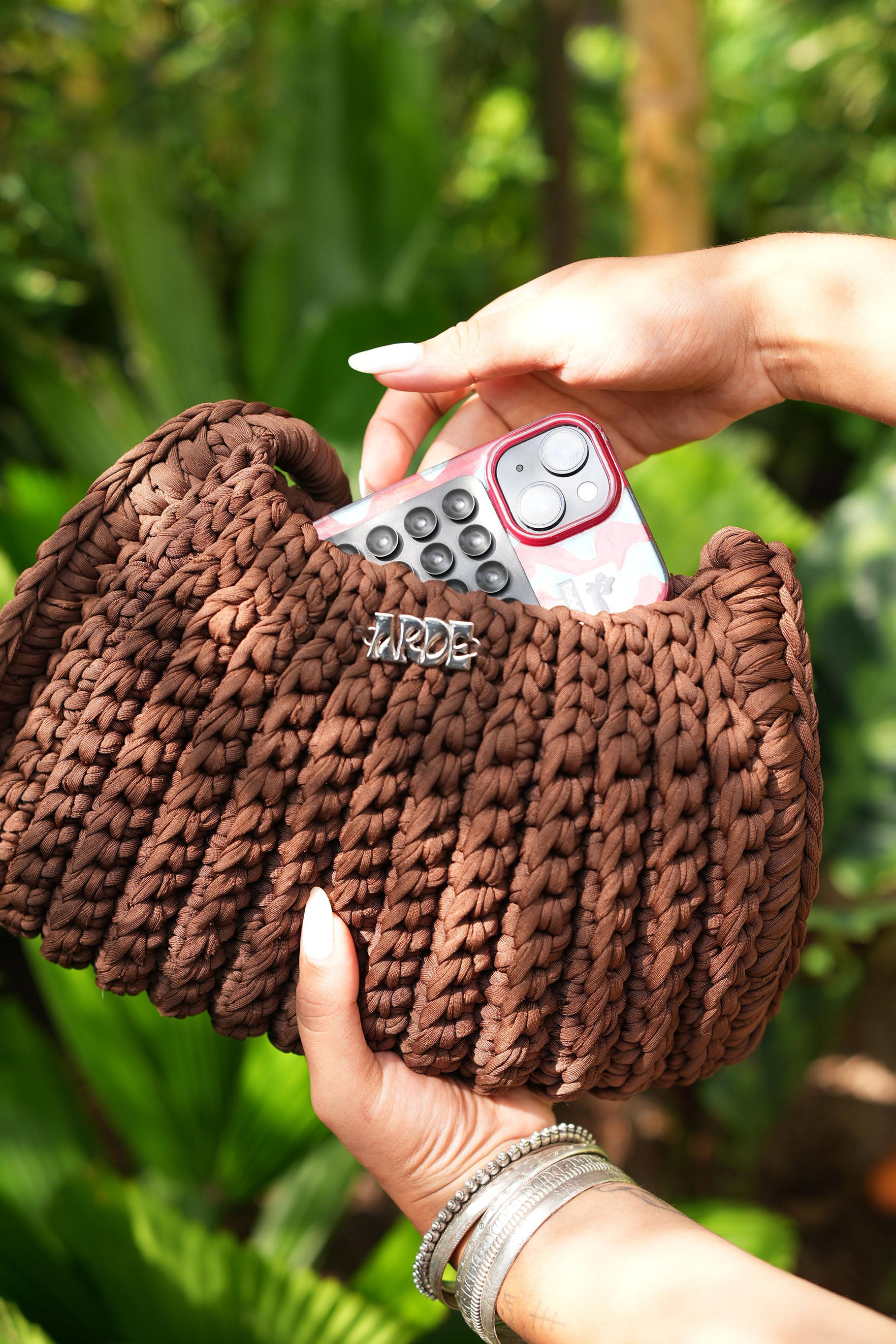
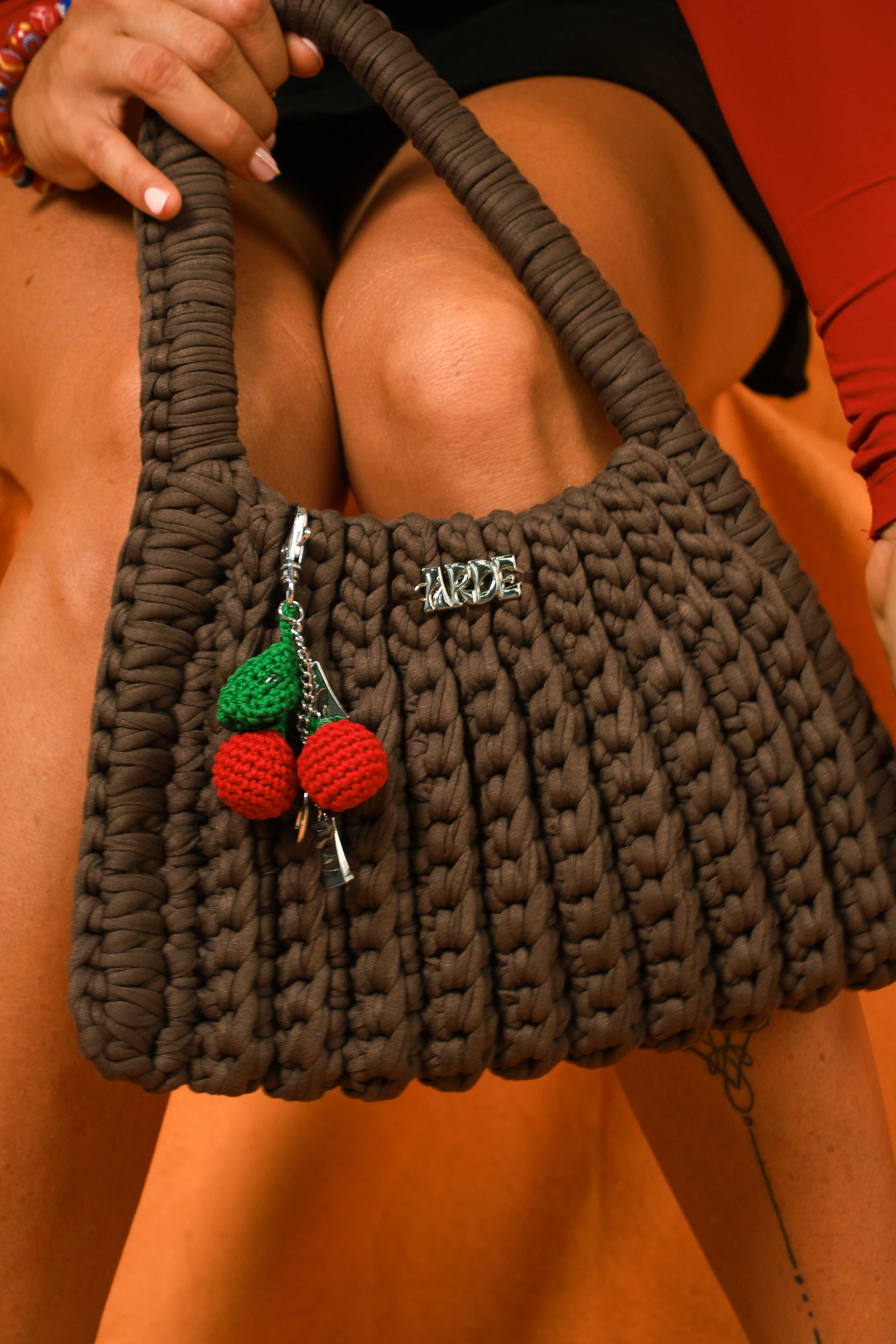
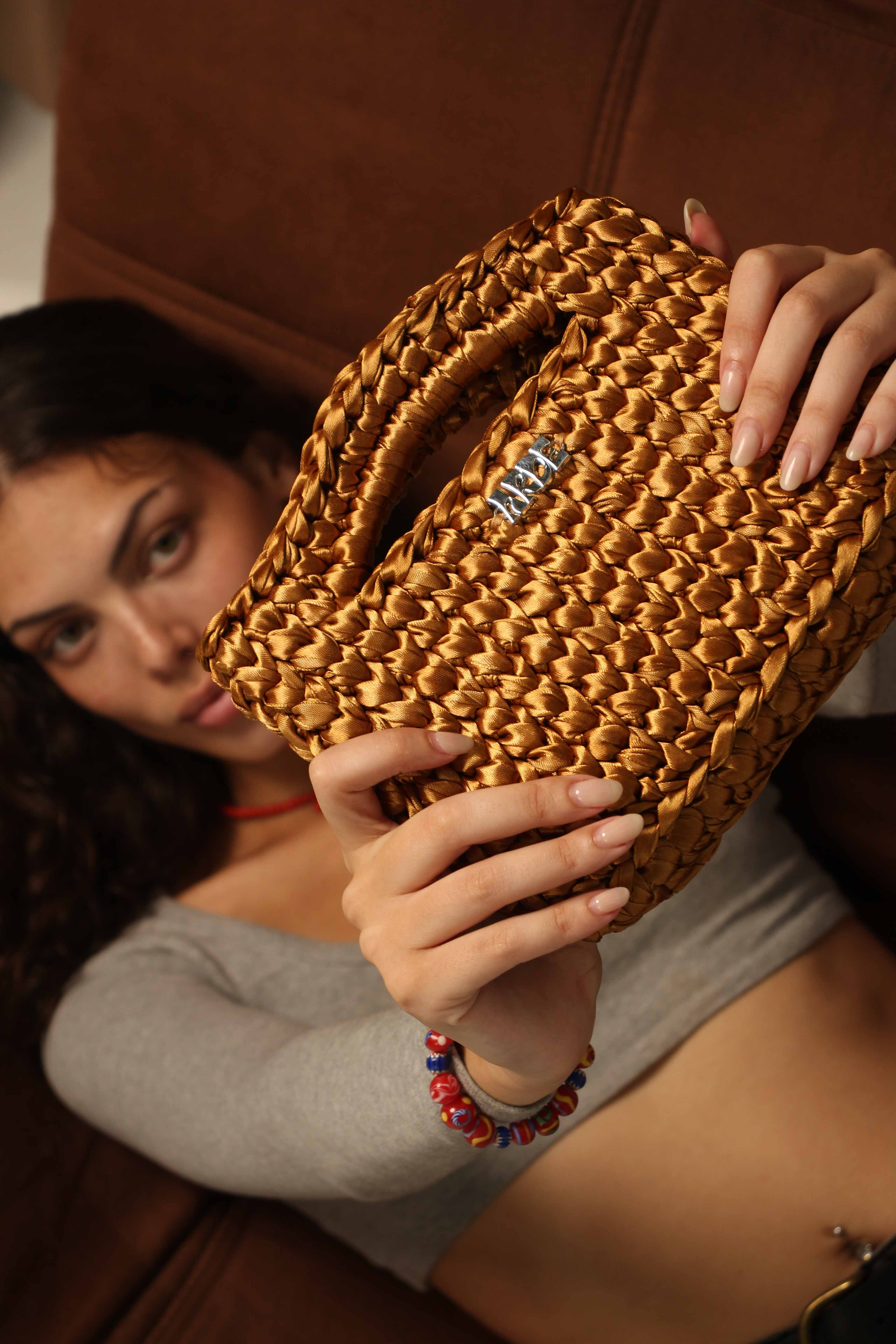
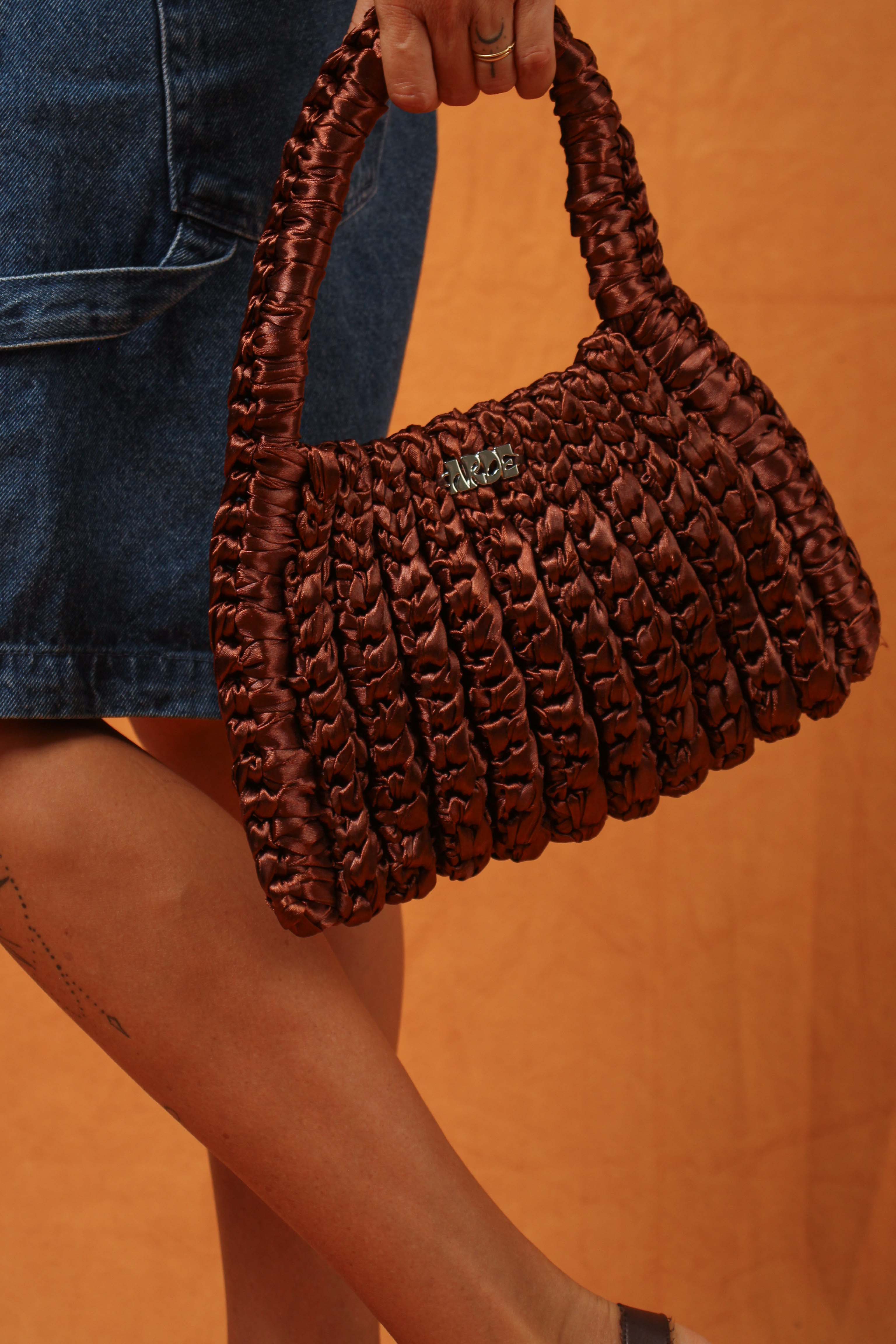
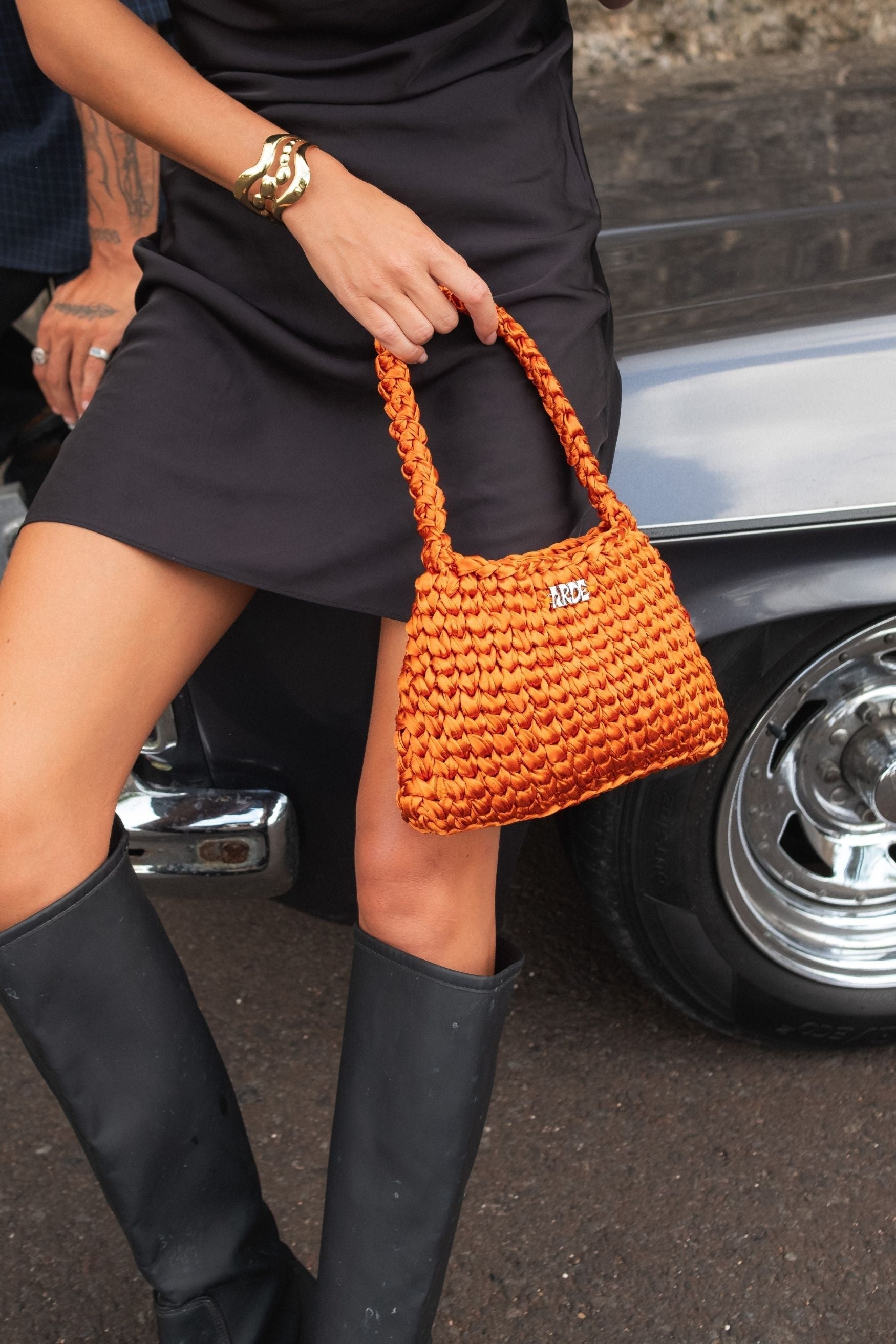
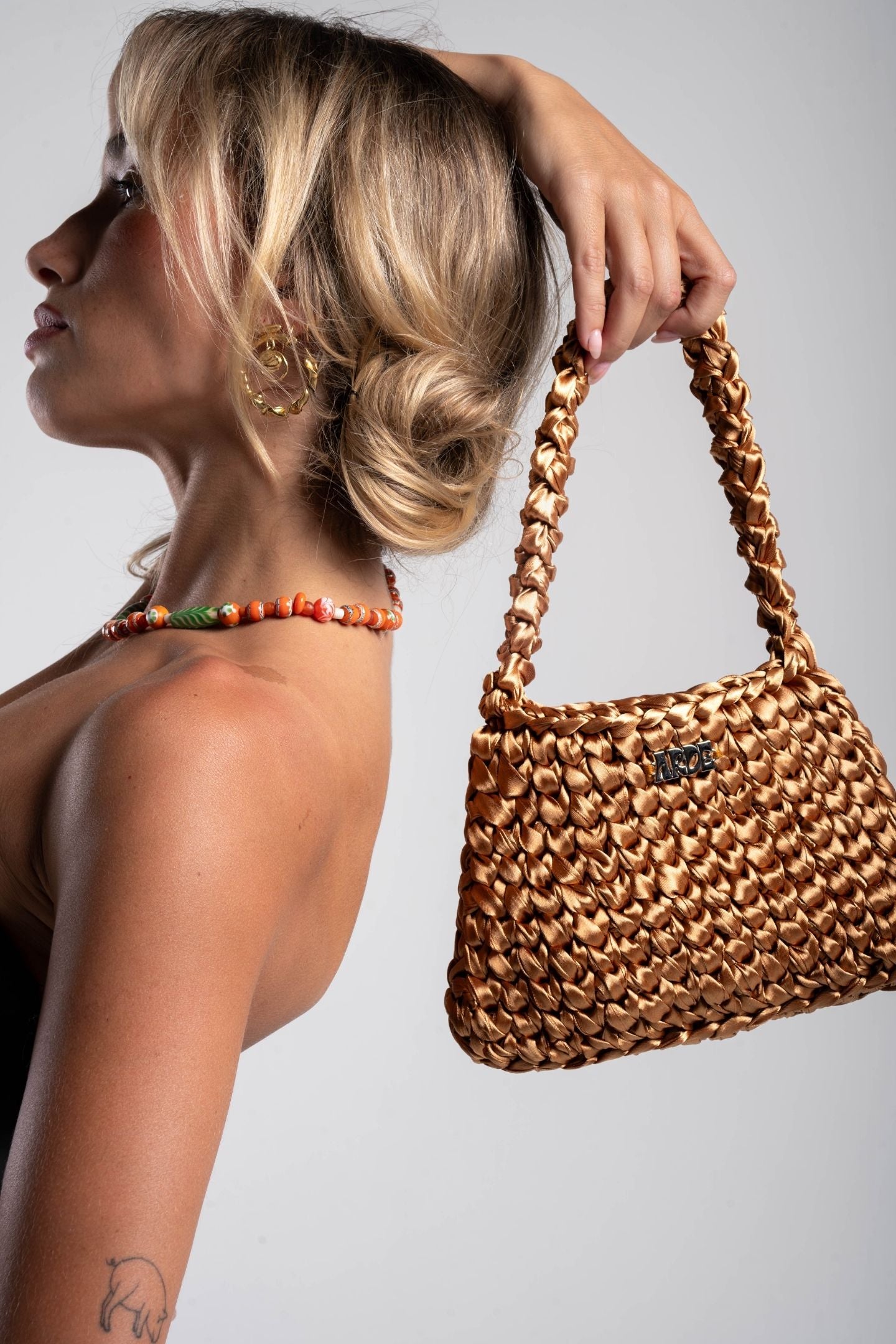
An extraordinary knit, a hand-woven textile, or an accessory created through the rhythmic, meditative art of macramé or crochet cannot be replicated by an automated machine without losing its soul. The subtle irregularities in the tension, the patience required to form each loop, the time embedded in its very structure—these are the details that build emotional durability. We do not throw away things that have cost a fellow human being time, sweat, and focused thought to create.

Deconstructing Your Visual Vocabulary
How do we begin the practical work of uncovering an authentic personal style without relying on the guideposts of seasonal trends? It requires a forensic examination of our own lives, a willingness to look backward before we look forward.
1. The Archeology of Joy
Begin by ignoring what is currently sitting in your online shopping carts and look instead at the artifacts of your personal history. Think of the garments you have worn until they literally fell apart. Think of the texture of your favorite childhood blanket, the specific shade of blue of the ocean on a clear morning after a storm, or the grounding weight of an old jacket borrowed from a loved one.
These are your primary visual inputs. They form an unspoken aesthetic baseline that belongs exclusively to you. Your style vocabulary should be built around these deeply rooted personal truths, not the artificial palettes decided by forecasting agencies in windowless corporate offices.

2. The Intersection of Form and Freedom
Personal style must always be grounded in the physical reality of your lifestyle. If your days are spent shaping clay in a ceramics studio, walking along windy coastlines, or traveling to quiet destinations, a wardrobe built on delicate, restrictive silhouettes will always feel like a cage.
True elegance lies at the intersection of aesthetic intent and physical freedom. It is the ability to move without self-consciousness. Look for clothes that act as personal architecture—pieces that have a structural integrity of their own but yield gracefully to your movements.

3. The Power of Textural Literacy
When we look at fashion on a screen, we are consuming it entirely with our eyes. This has led to a dangerous flattening of style, where garments are designed to look striking in a two-dimensional photograph but feel completely uninspired in three dimensions.
Finding your authentic style requires developing textural literacy. It means caring immensely about the hand-feel of a fabric. It is the dry, reassuring scratch of raw wool; the fluid, substantial drape of heavy silk; the organic, slubby rhythm of hand-loomed cotton.
When you prioritize texture over print or logo, your clothes require closer inspection to be fully appreciated. They invite touch, and in doing so, they foster a deeper intimacy between you and the material world.

The Slow Edit: Curation as a Creative Practice
The path to an authentic style is not paved with accumulation; it is forged through editing. Many people believe that finding their style means finding the missing piece they haven't bought yet. More often, it means clearing away the excess noise so that the true notes can be heard.
Step 1: The Fasting Period
To break your dependence on the trend cycle, implement a voluntary fasting period. Commit to buying absolutely nothing new for three months. This temporary pause acts as a palette cleanser for your visual appetite.
When you remove the option of the quick purchase, you are forced to look at your existing wardrobe with a director’s eye. You begin to mix textures in unexpected ways, layer old pieces to create new silhouettes, and discover which items truly support your daily life.
Step 2: The Assessment of Integrity
Examine every piece you own and subject it to a test of structural and emotional integrity. Ask yourself:
-
Do I know what this is made of, and does it feel good against my bare skin?
-
Can this item be repaired, mended, or altered to grow with me?
-
Does this object represent the level of craftsmanship I want to support in the world?
If a garment feels flimsy, if its seams are puckering after a few washes, or if it was bought to fit a fleeting internet trend, it is cluttering your space and your identity. Let it go mindfully, and let the empty space it leaves behind remain empty for a while.
Step 3: Embracing the Void
One of the most challenging aspects of slow curation is learning to live with an incomplete wardrobe. We have been conditioned to believe that every category must be filled immediately.
If you lack a perfect knit for cold coastal evenings, the impulse is to buy an average one tomorrow. Resist this.
There is an immense creative power in waiting for the piece that carries the exact right weight, tone, and lineage. Living with that gap teaches you patience, refines your eye, and ensures that when you finally find the right piece, it will stay with you for a lifetime.

Craftsmanship as a Style Statement
In an era dominated by mass production, mass replication, and synthetic materials, choosing to wear pieces that showcase genuine human craft is a quiet but revolutionary act of self-expression. It shifts the conversation from "Who are you wearing?" to "How was this made?"
Consider the structural beauty of artisanal techniques like macramé or intricate textile weaving. These are not crafts that can be rushed. They require an intimate knowledge of material tension, structural geometry, and patience.
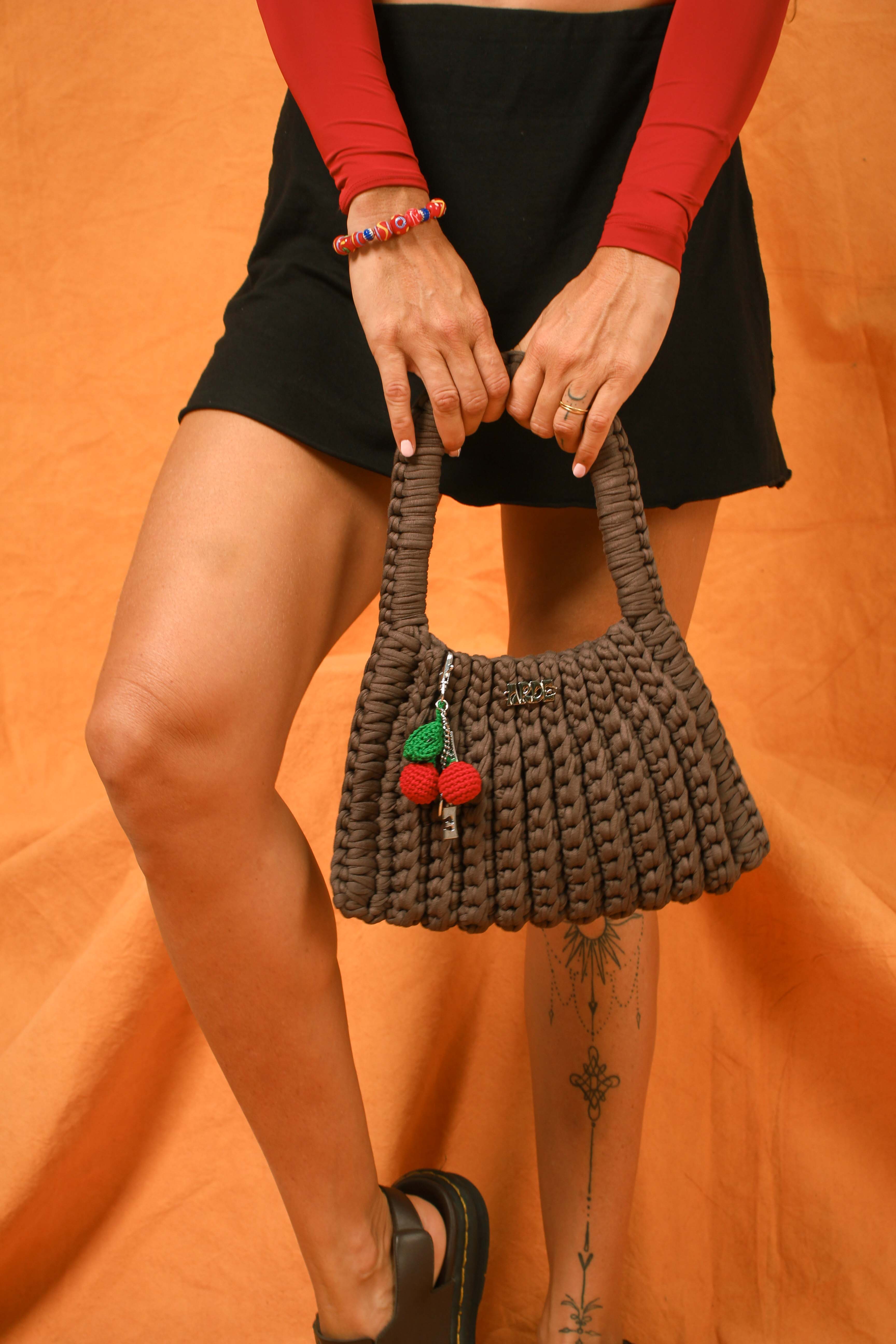
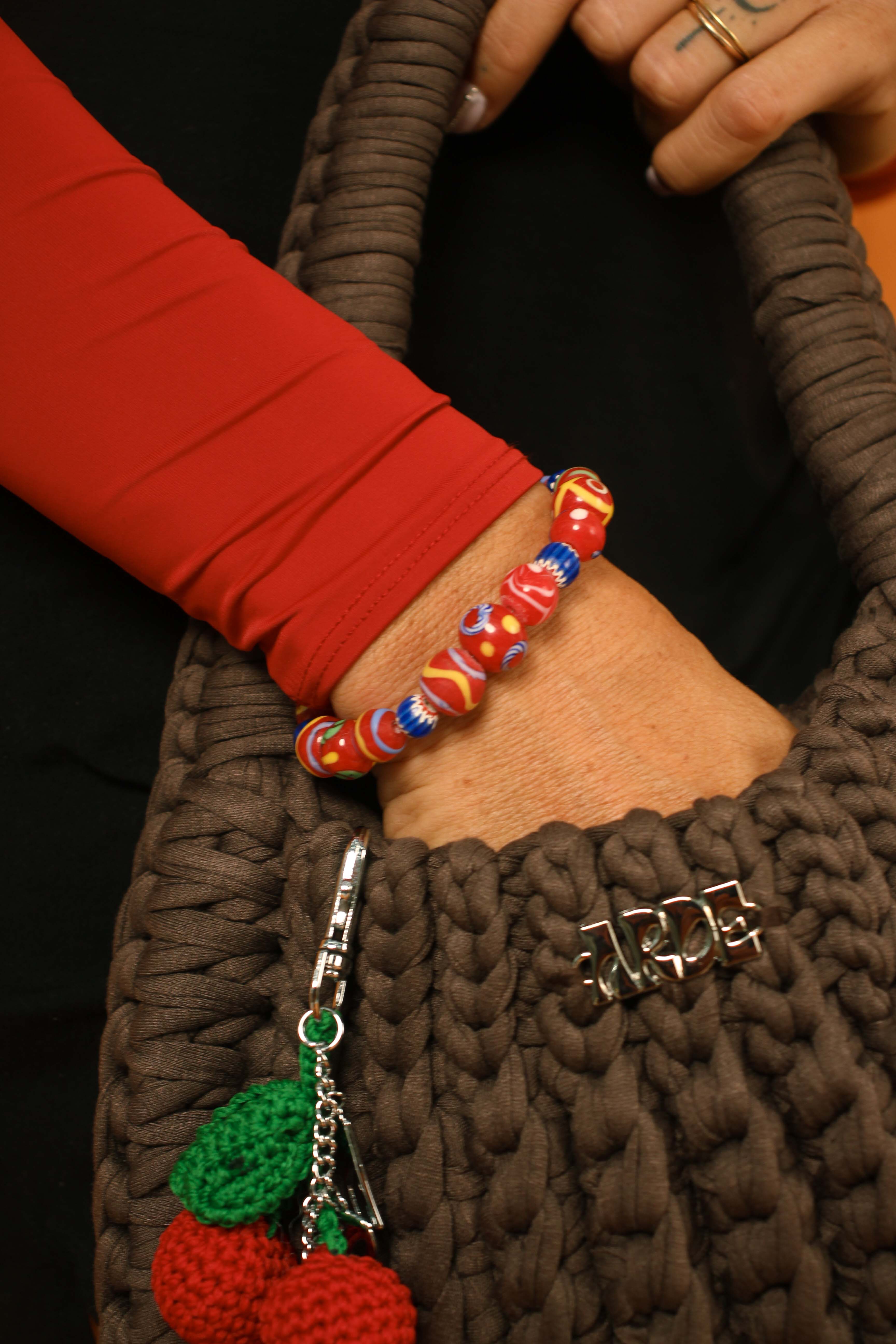
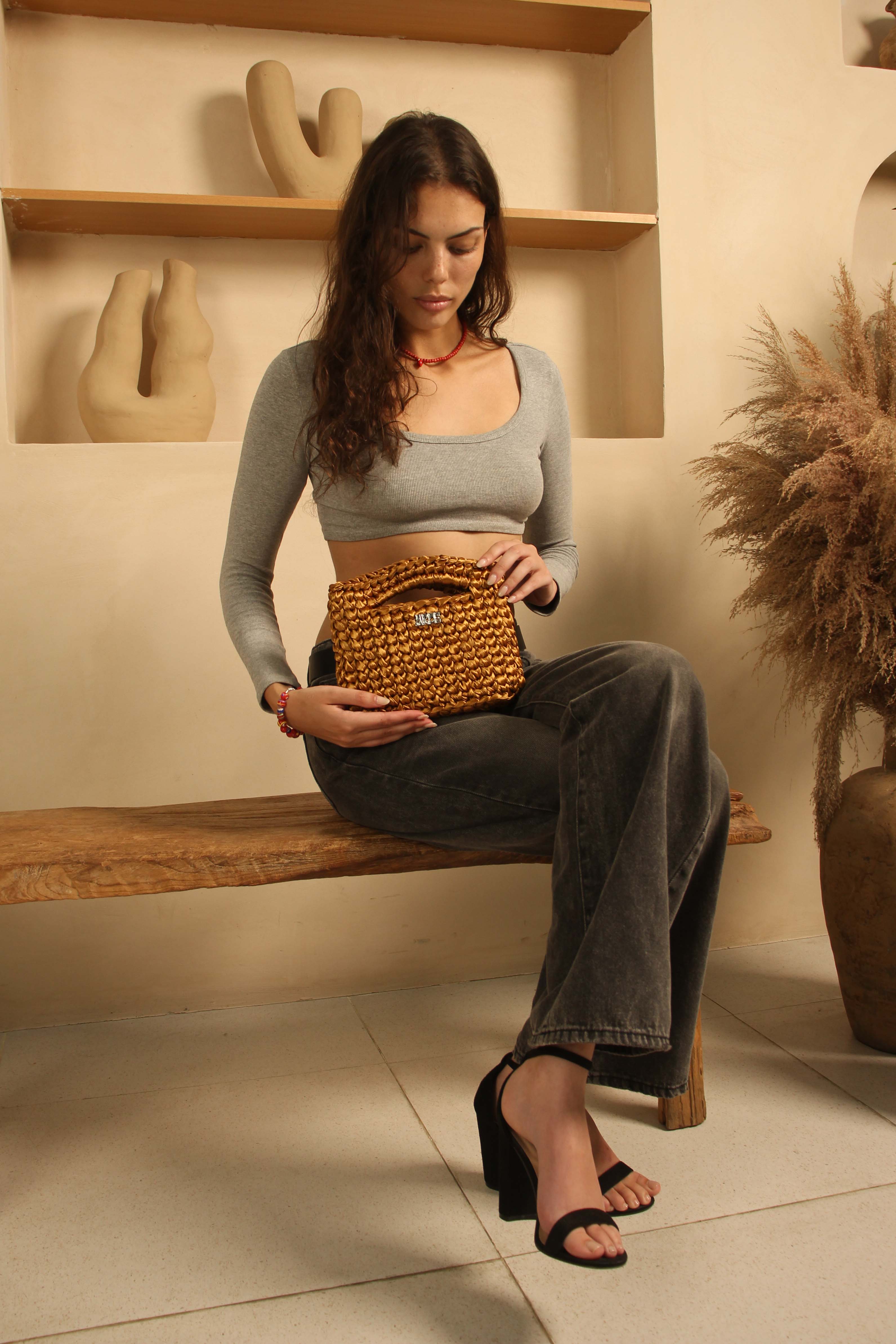
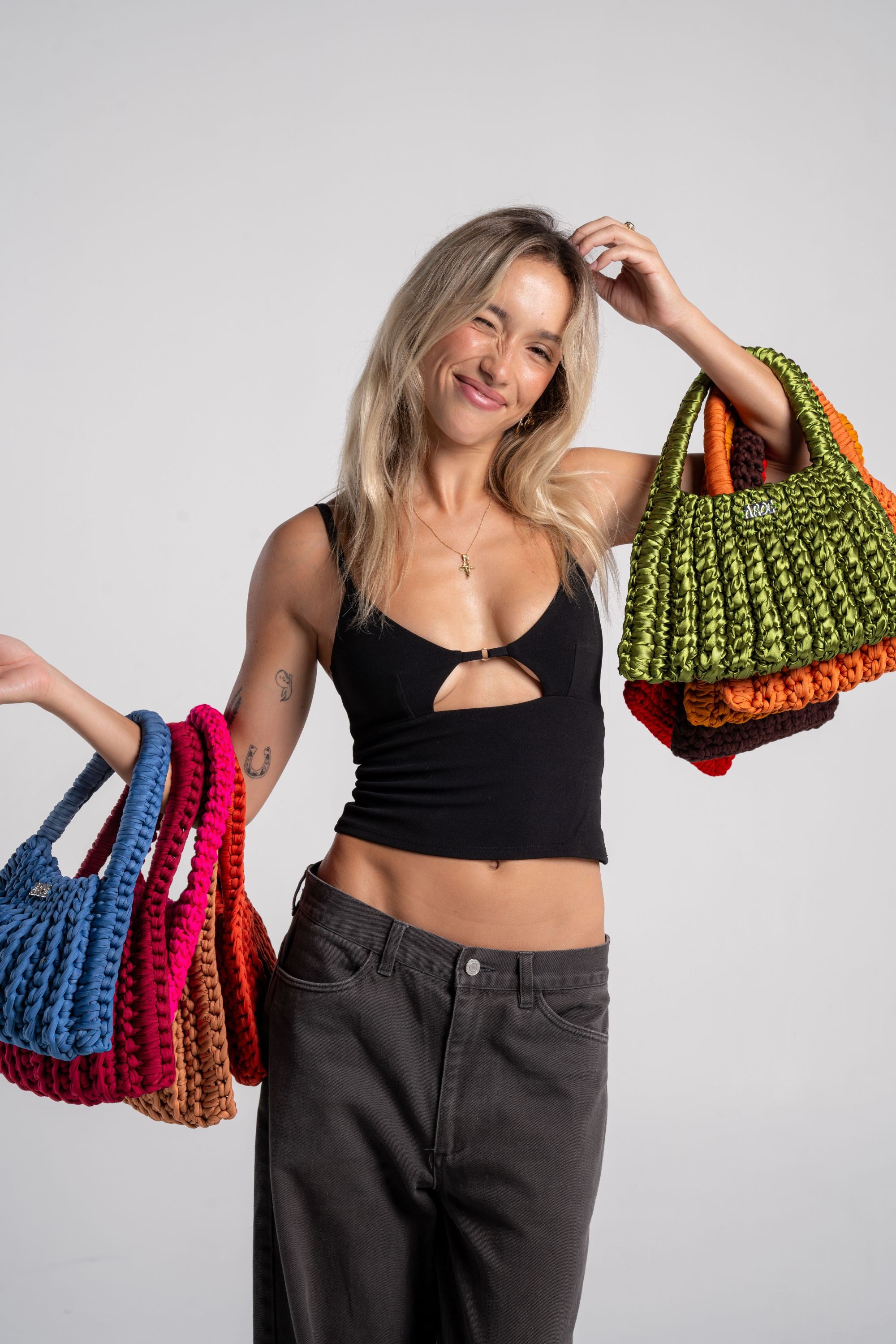
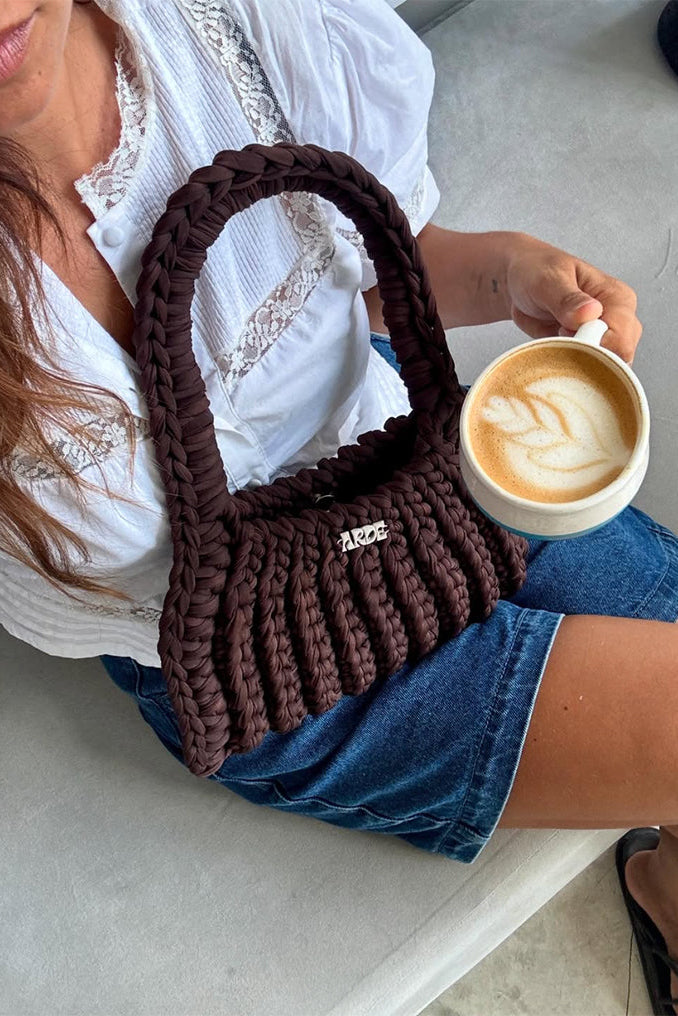
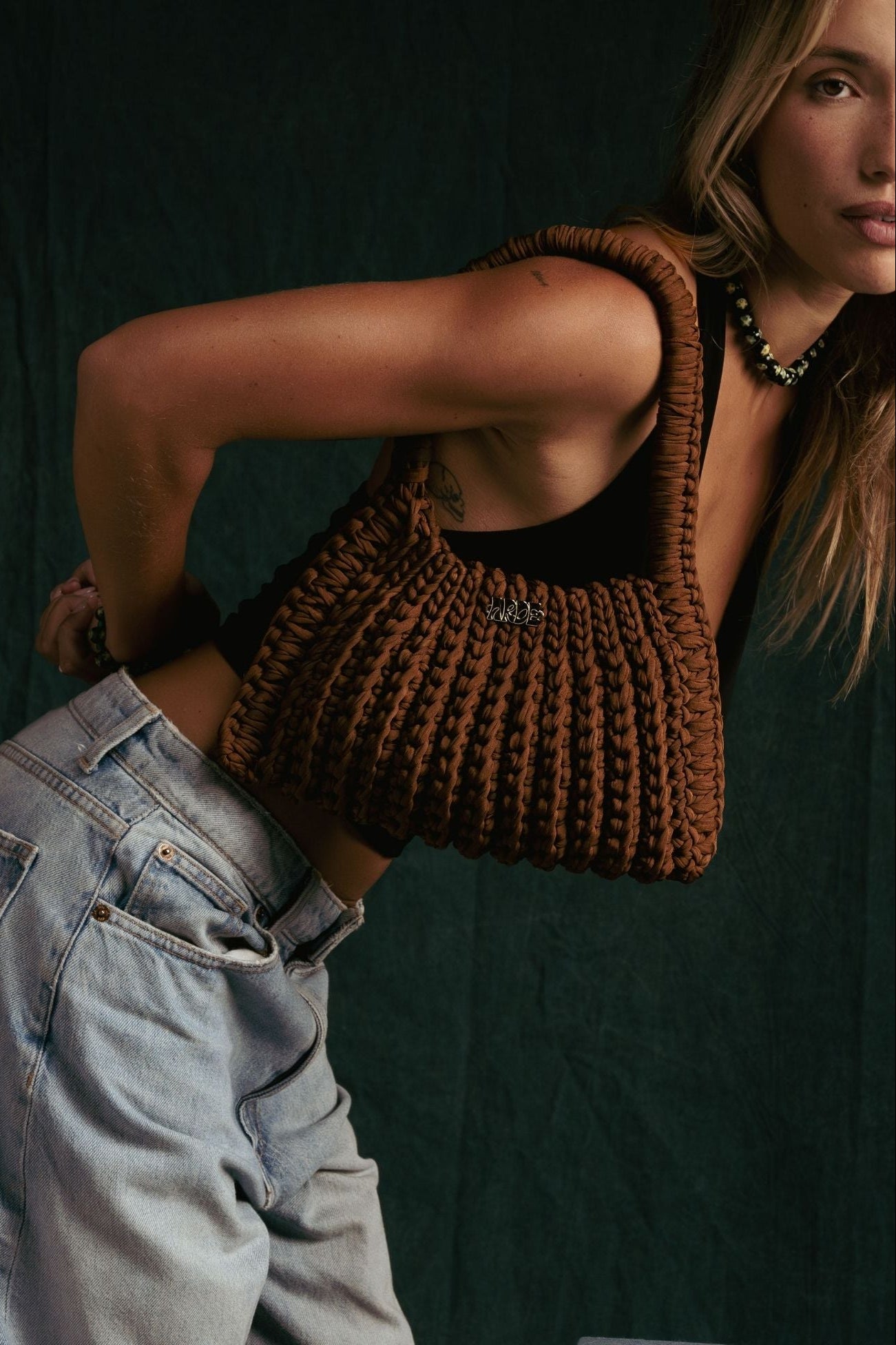
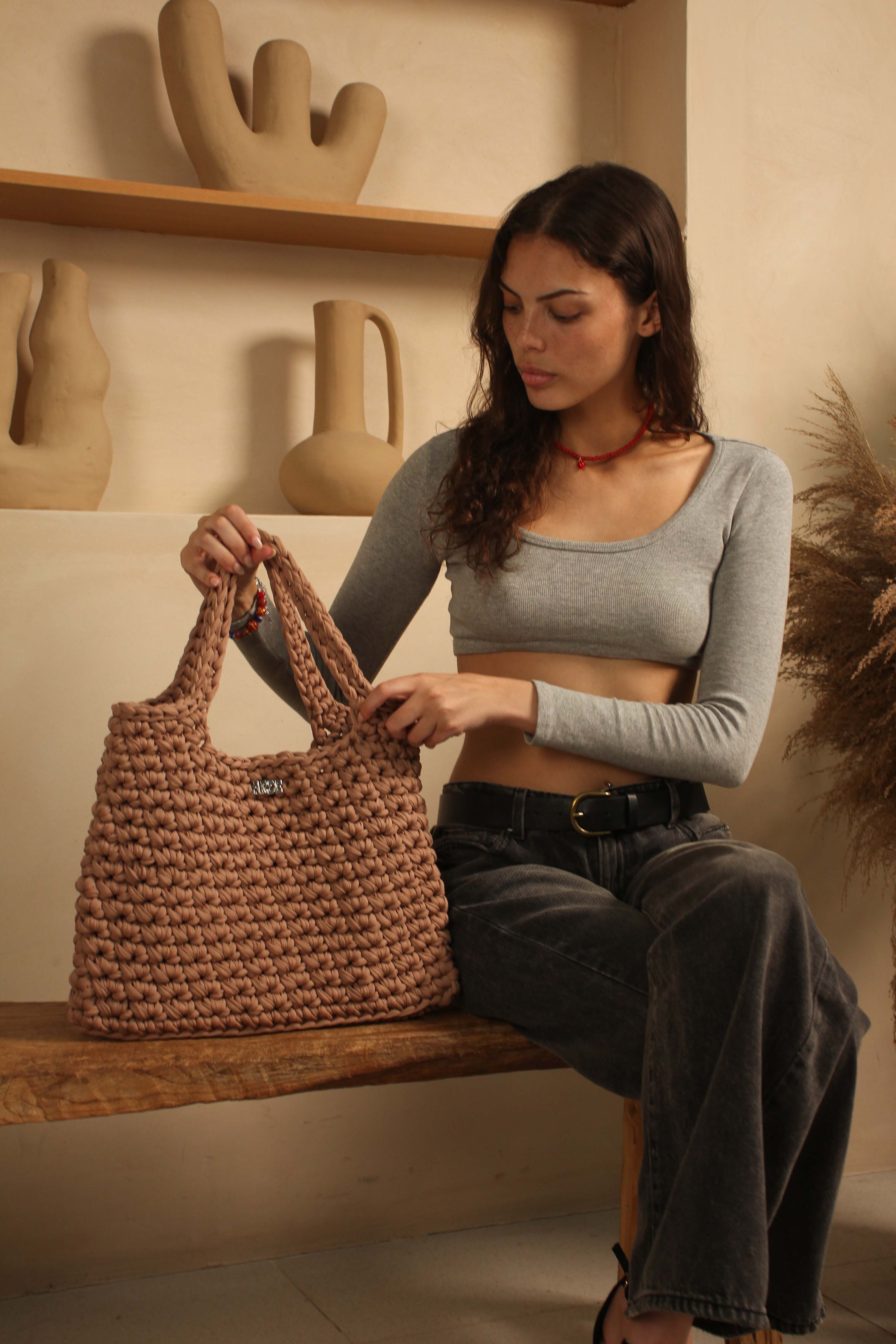
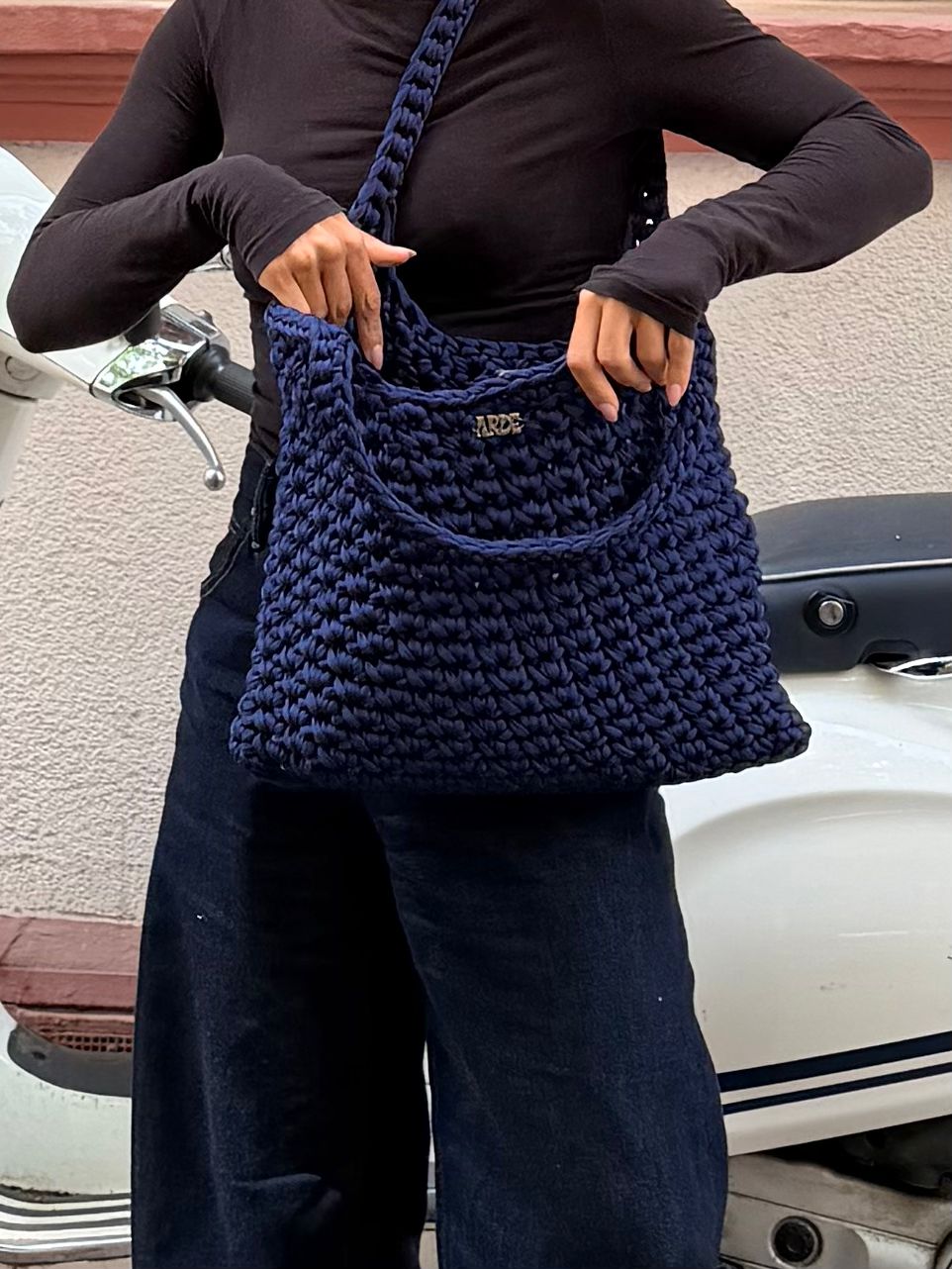
When you incorporate these tactile, hand-wrought elements into your personal style—whether through an exquisitely detailed garment or a mindfully constructed accessory—you introduce an element of depth that mass manufacturing can never replicate.
These pieces carry what we might call a "living asymmetry." They are not sterile or mathematically perfect; they bear the subtle, beautiful variations of the human hands that created them.
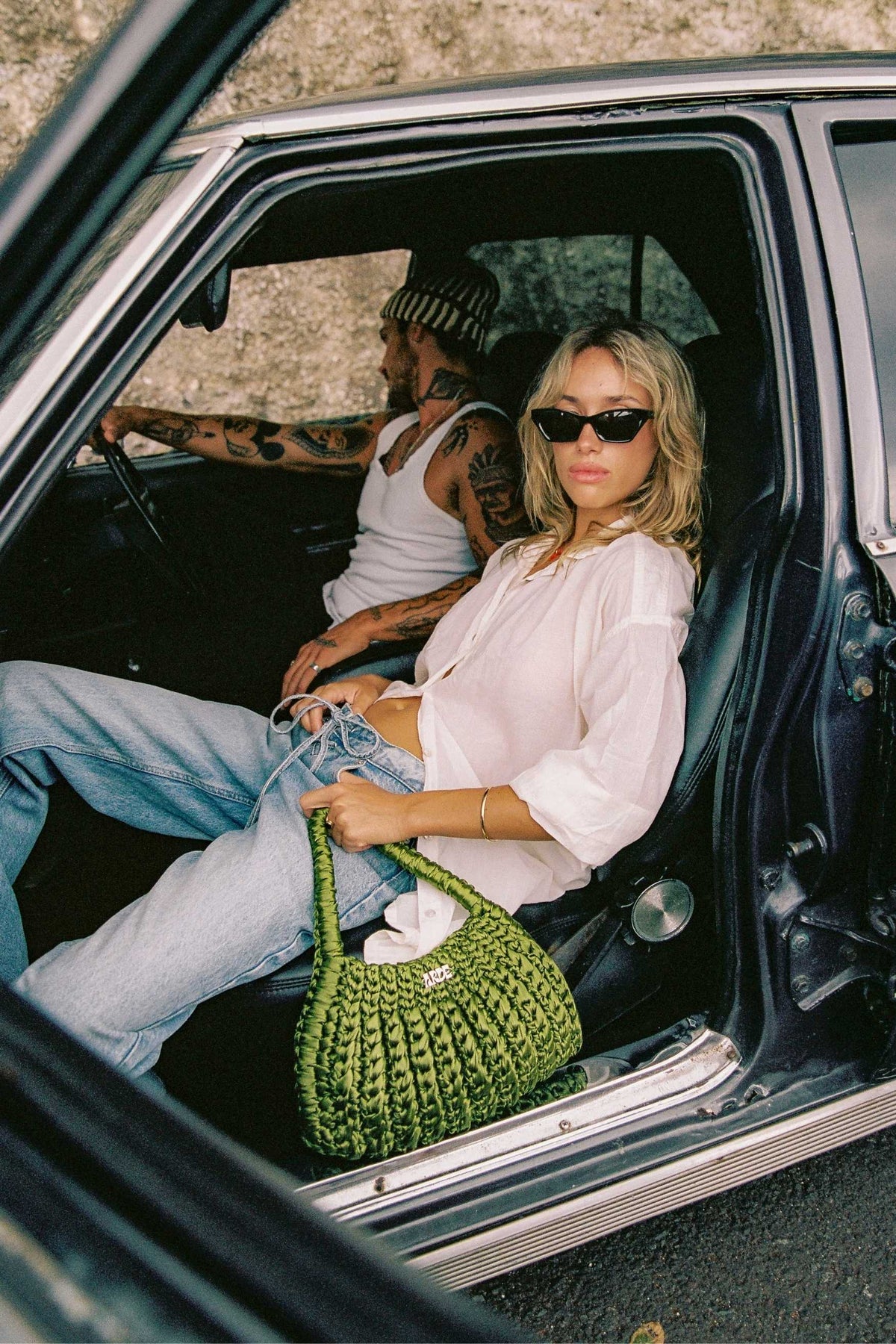
When paired with simple, clean-lined wardrobe staples—like a crisp organic cotton shirt or perfectly fitting raw denim—a handcrafted piece becomes the focal point of an outfit. It provides an immediate sense of narrative. It tells the observer that you value time, that you respect mastery, and that you choose to navigate the world with intention.

The Lifestyle of the Intentional Eye
Our personal style does not end at the perimeter of our closets. The way we dress is deeply intertwined with how we consume art, how we travel, and how we curate our living spaces. It is all part of the same internal ecosystem.
A woman who spends her weekends looking at the minimalist forms of studio ceramics, watching the clean lines of a wave swell from her surfboard, or exploring the winding, historic streets of an ancient town will naturally seek those same qualities in her clothes. She will find herself drawn to a palette of earth-tones, ochres, deep indigos, and raw cream. She will demand that her accessories be as functional as they are beautiful—capable of holding her sketchbook, her camera, or a found piece of driftwood without losing their structural integrity.
When your lifestyle and your wardrobe are in perfect alignment, the act of getting dressed requires no effort. It becomes intuitive. You are no longer trying to project an image; you are simply allowing your environment and your passions to bleed into your aesthetic choices. Your style becomes a natural byproduct of your creative life.

Conclusion: The Quiet Art of Remaining
Authentic personal style is not a destination you arrive at after a successful shopping trip. It is an ongoing, lifelong process of editing, refining, and remaining true to your internal landscape. It is the quiet art of standing still while the chaotic winds of consumer trends blow furiously around you.
When you look into your wardrobe and see only objects that possess integrity, meaning, and true craftsmanship, you experience a rare sense of spatial and mental clarity. You no longer feel the frantic urge to acquire, because you already possess things that are sufficient. You are no longer vulnerable to the whims of fashion, because you have built a style on the foundation of your own history, values, and creative expression.
Let us commit to the slow curation of our identities. Let us choose the thoughtful, hand-wrought details over the sterile uniformity of the machine. Let us seek out the objects that hold our stories, honor our bodies, and protect our peace. For in the end, our style is not just about the clothes we wear—it is the visual poetry of how we choose to live.

Frequently Asked Questions
How can I break my addiction to buying clothes during stressful moments?
Retail therapy is a well-documented psychological coping mechanism for a lack of internal control or emotional overwhelm. When you feel the urge to browse online or make a impulse purchase, pivot your energy toward a tactile, creative outlet. Spend time working with clay, cooking a slow meal, arranging found natural elements in your home, or mending a garment you already love. Engaging your hands in active creation satisfies the brain's desire for tactile stimulation far more deeply than the passive transaction of buying something new.
How do I define my style palette without relying on current fashion trends?
Look closely at the natural landscapes and creative mediums that ground you. If you are drawn to the rugged textures of coastal cliffs, your palette might include rich slate, sand, and deep navy. If you love studio ceramics, you might find your anchors in warm terracotta, unbleached cream, and raw ochre. Collect these colors from your real-world environments—through photographs, stones, or textile scraps—and use them to create a personal mood board that serves as your permanent style compass.
Is it possible to maintain an authentic personal style on a limited budget?
Absolutely. Authentic style is built on editing and patience, neither of which requires wealth. A budget-conscious approach to slow style involves buying far fewer items but choosing pieces of exceptional material integrity when you do consume. Prioritize the secondhand market for vintage natural-fiber garments, learn the basics of clothing alteration to customize fits to your specific shape, and focus on acquiring a few handmade, artisanal accessories that can elevate a wardrobe of simple, affordable basics.
How do I balance a desire for personal style with a highly active, practical lifestyle?
The key is to seek out utilitarian elegance. Your clothes should never act as a barrier to your passions. Look for structural silhouettes made from hard-wearing natural fibers like organic cotton canvas, heavy linen, and robust wools that actually look better with a bit of wear and patina. Choose accessories created through sturdy, time-tested hand techniques that offer both immense visual character and the functional durability required to carry your daily creative tools.