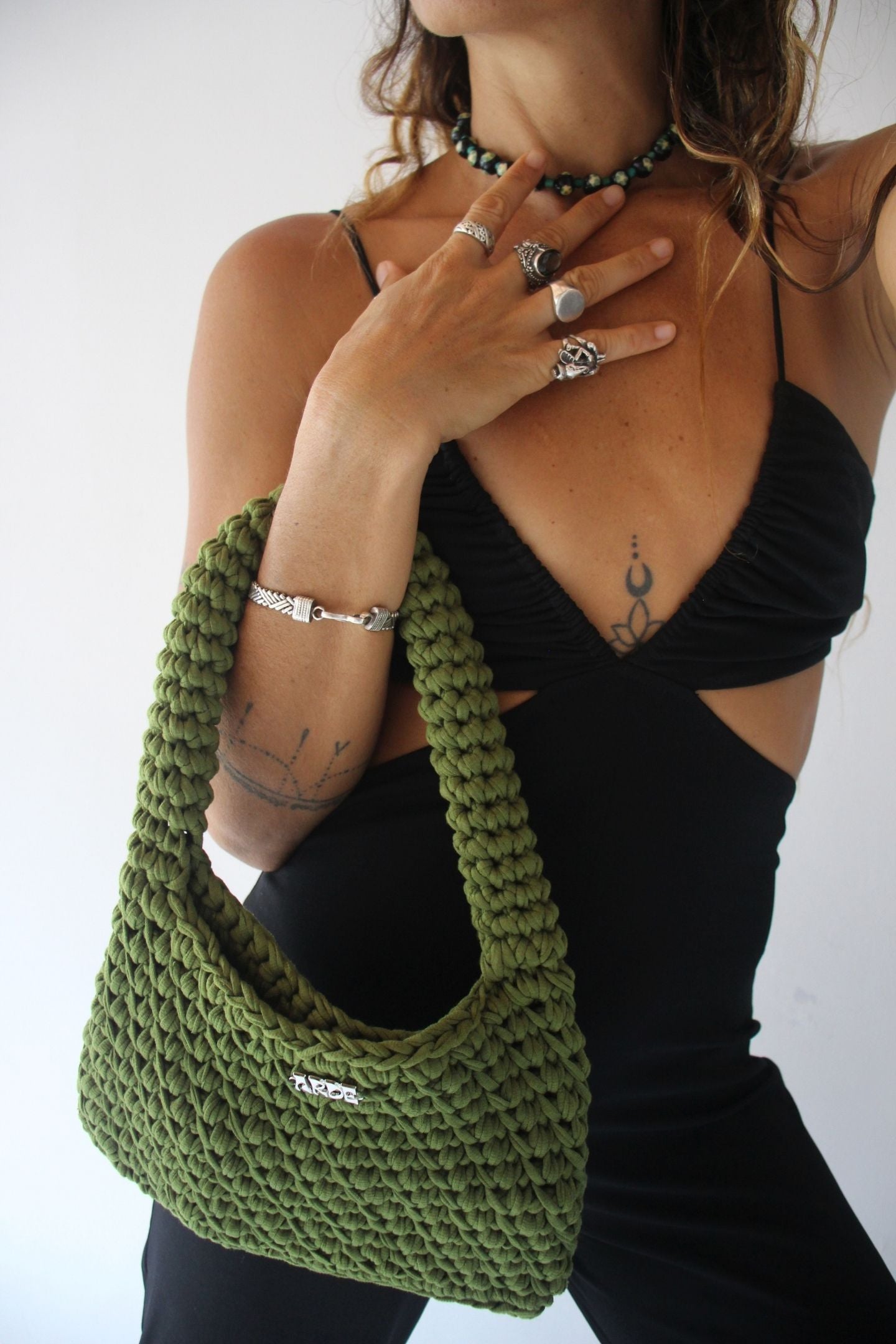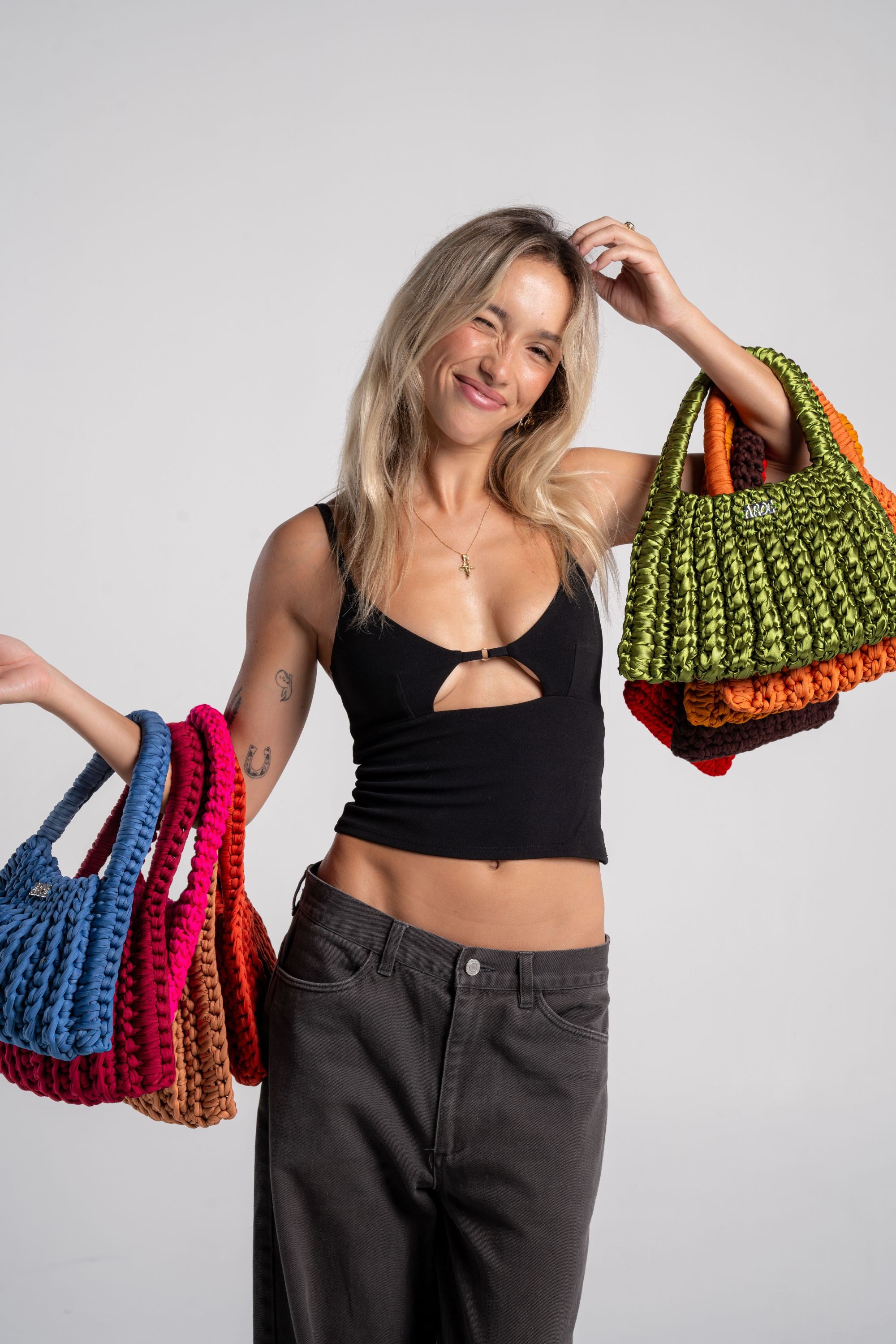
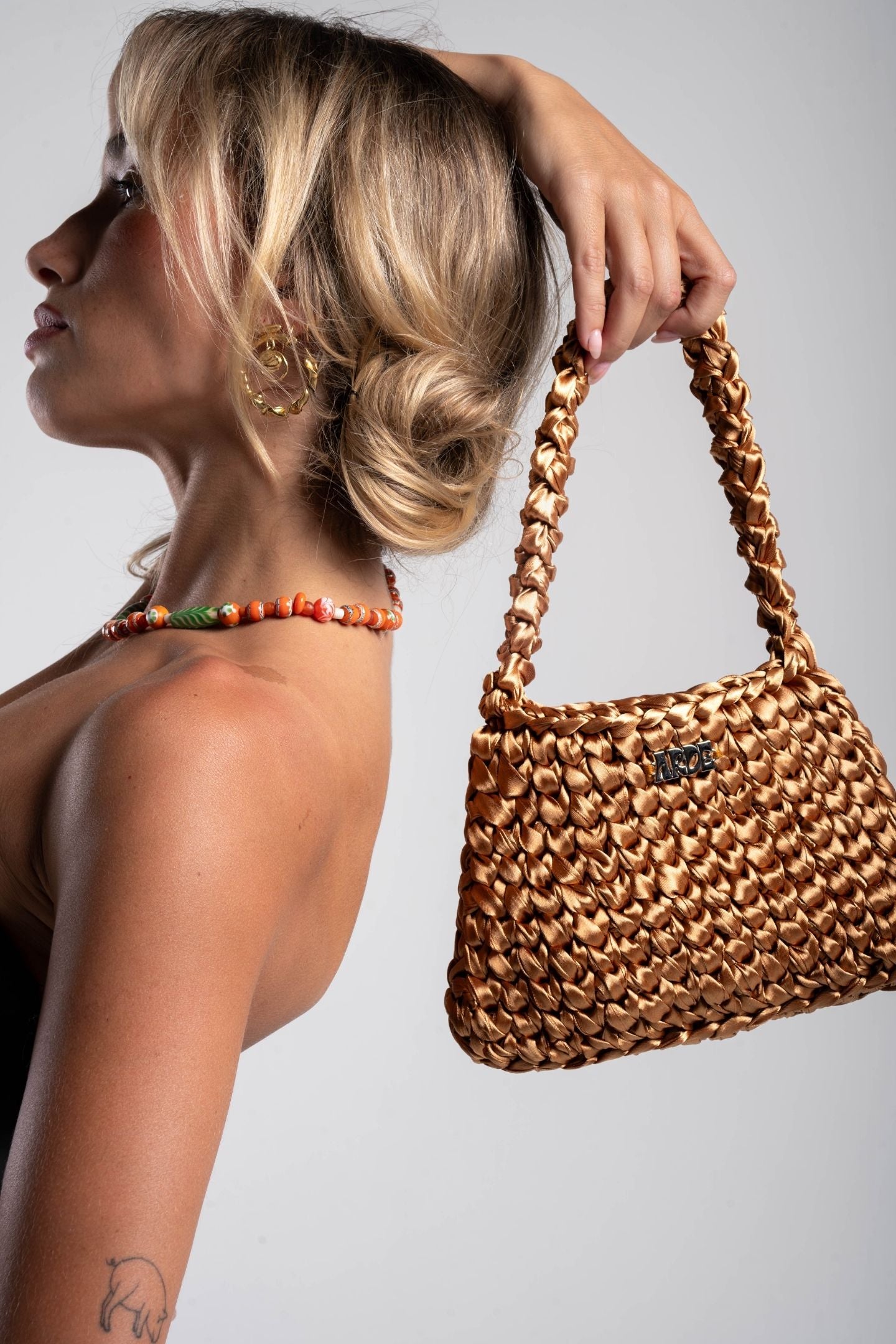
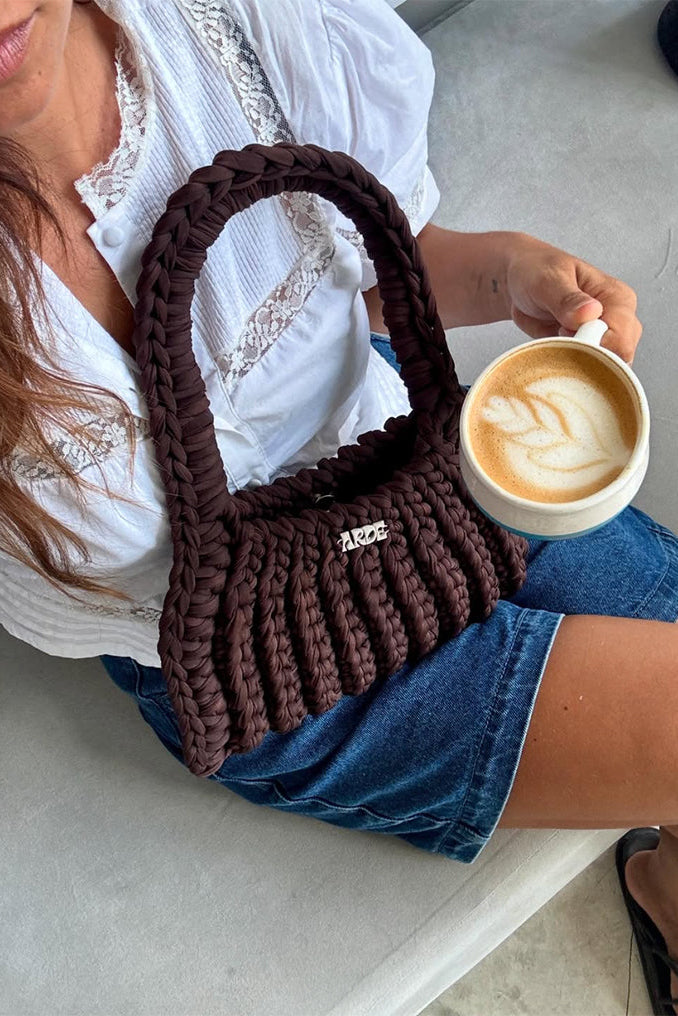


Why Handmade Feels Different
Inside the meditative art of slow textile craft—and why the objects made by human hands stay with us the longest.
Some objects ask for attention.
Others ask to be lived with.
You don't always notice the difference immediately.
It happens slowly.
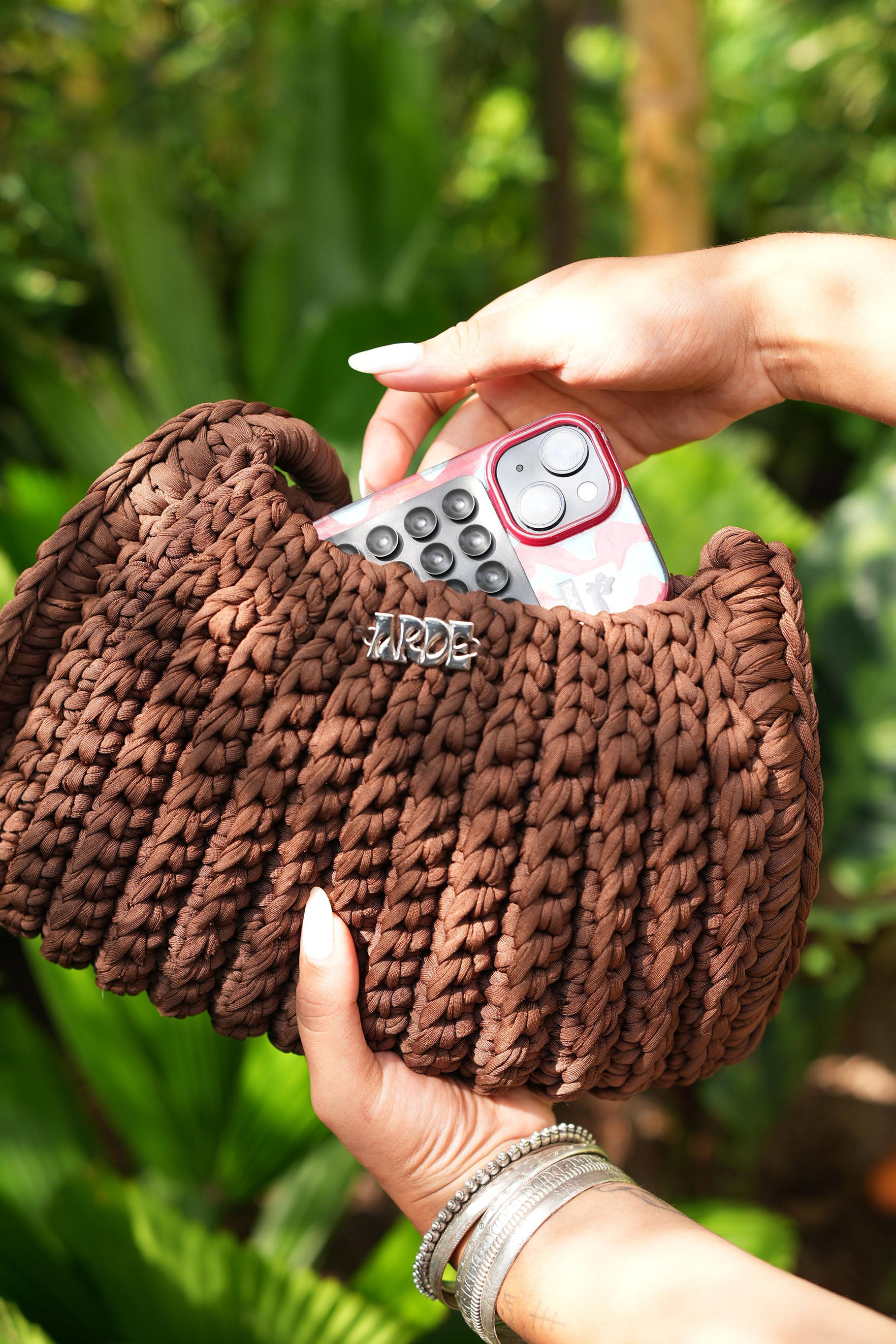
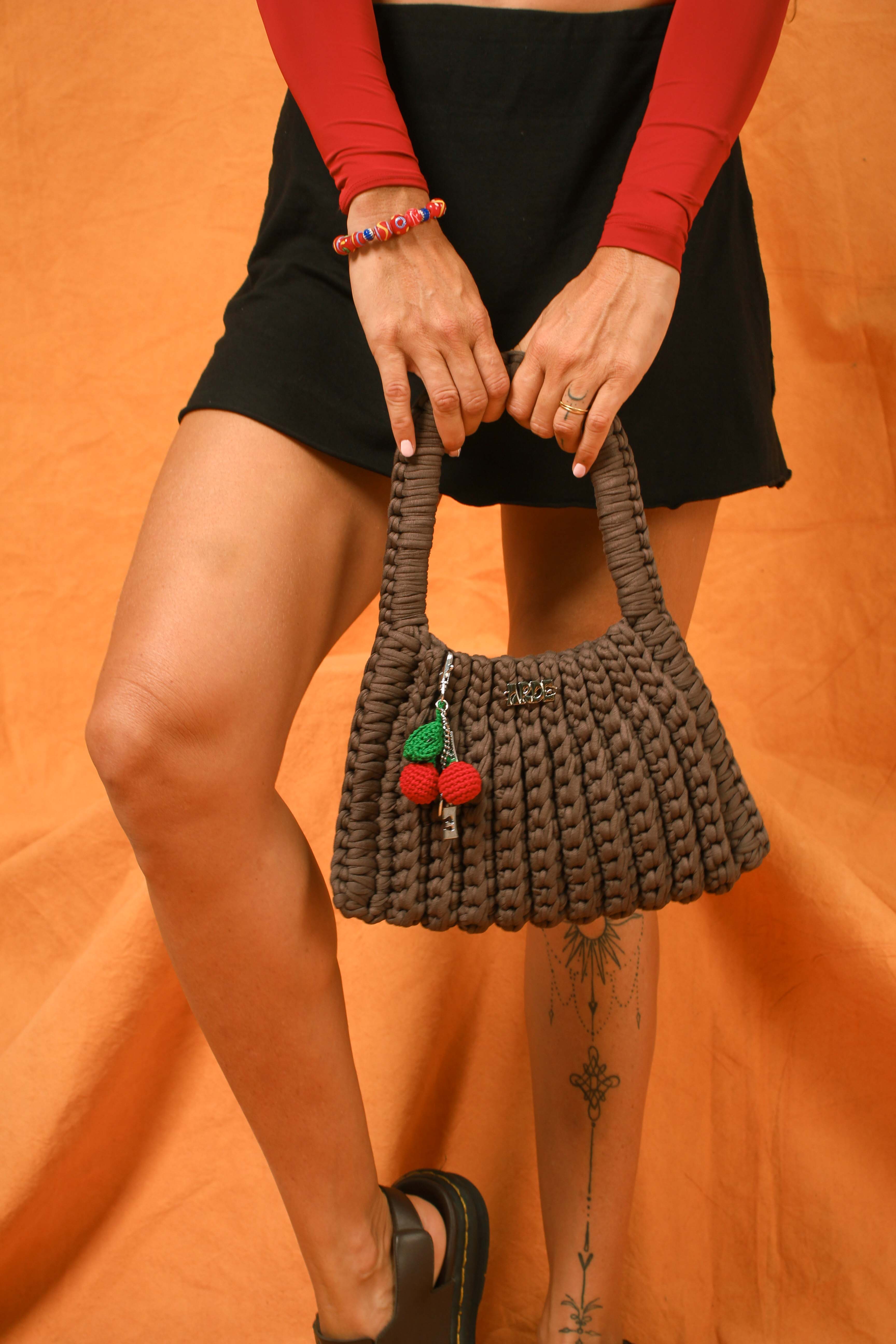
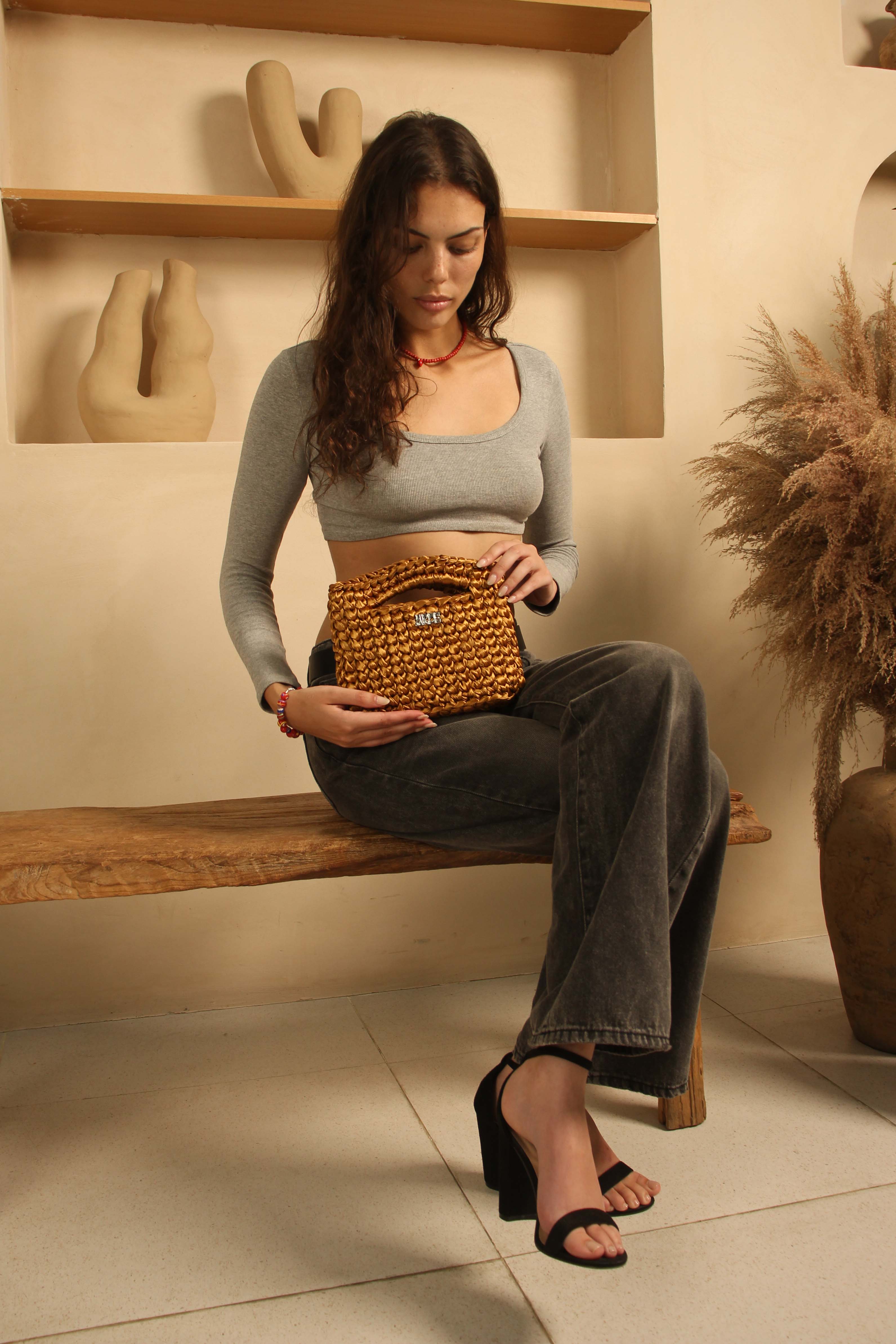
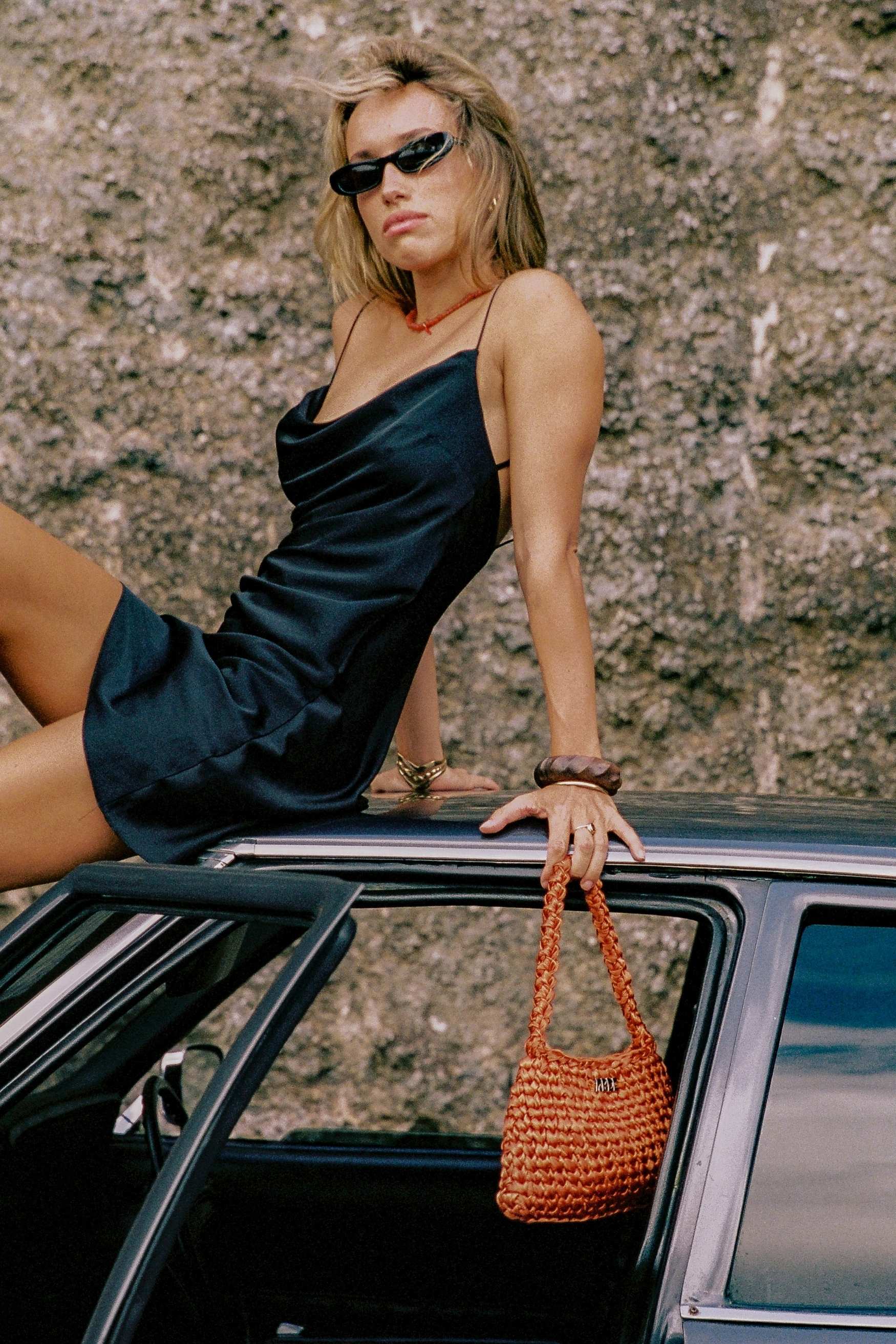
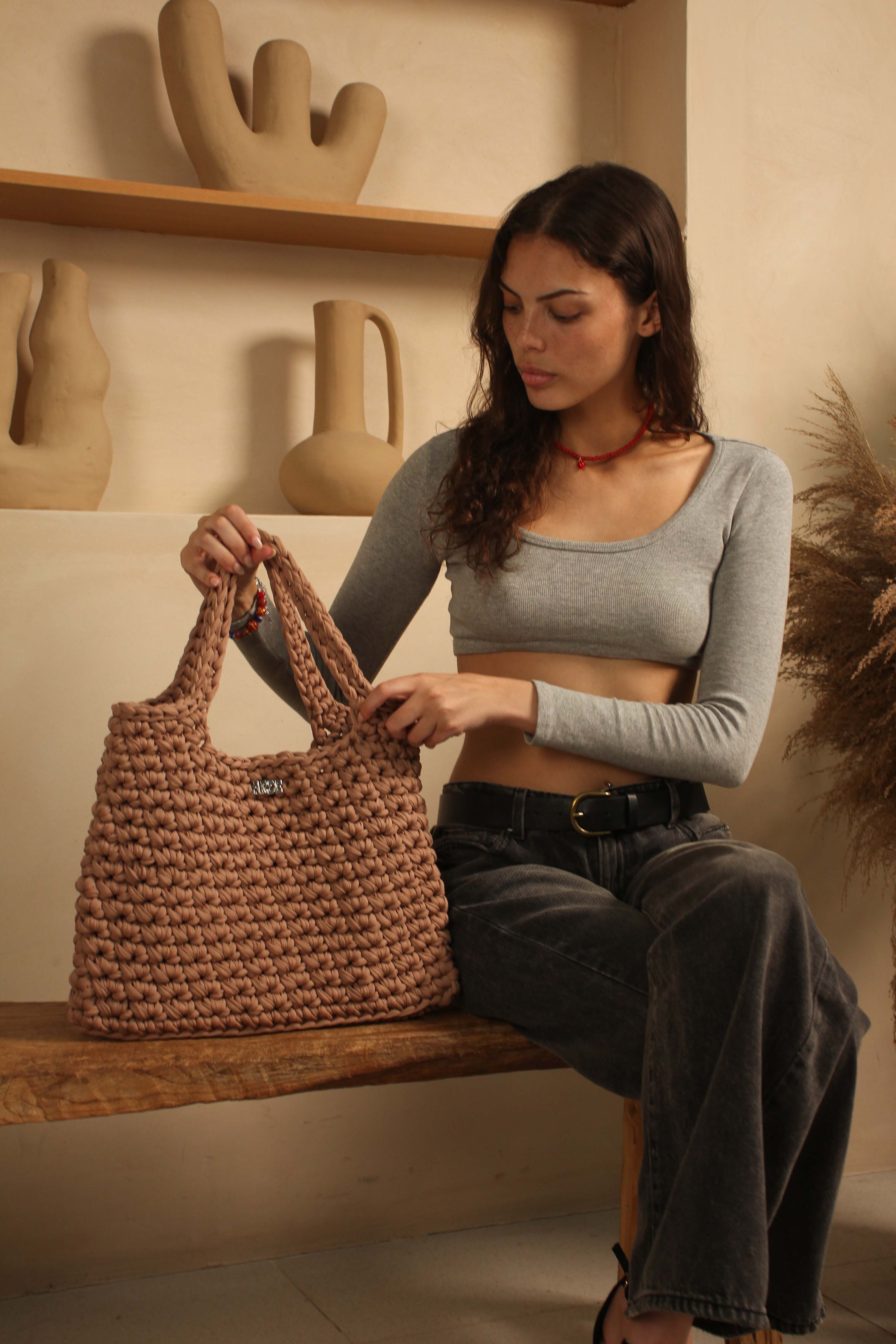
A bag you instinctively reach for before leaving the house.
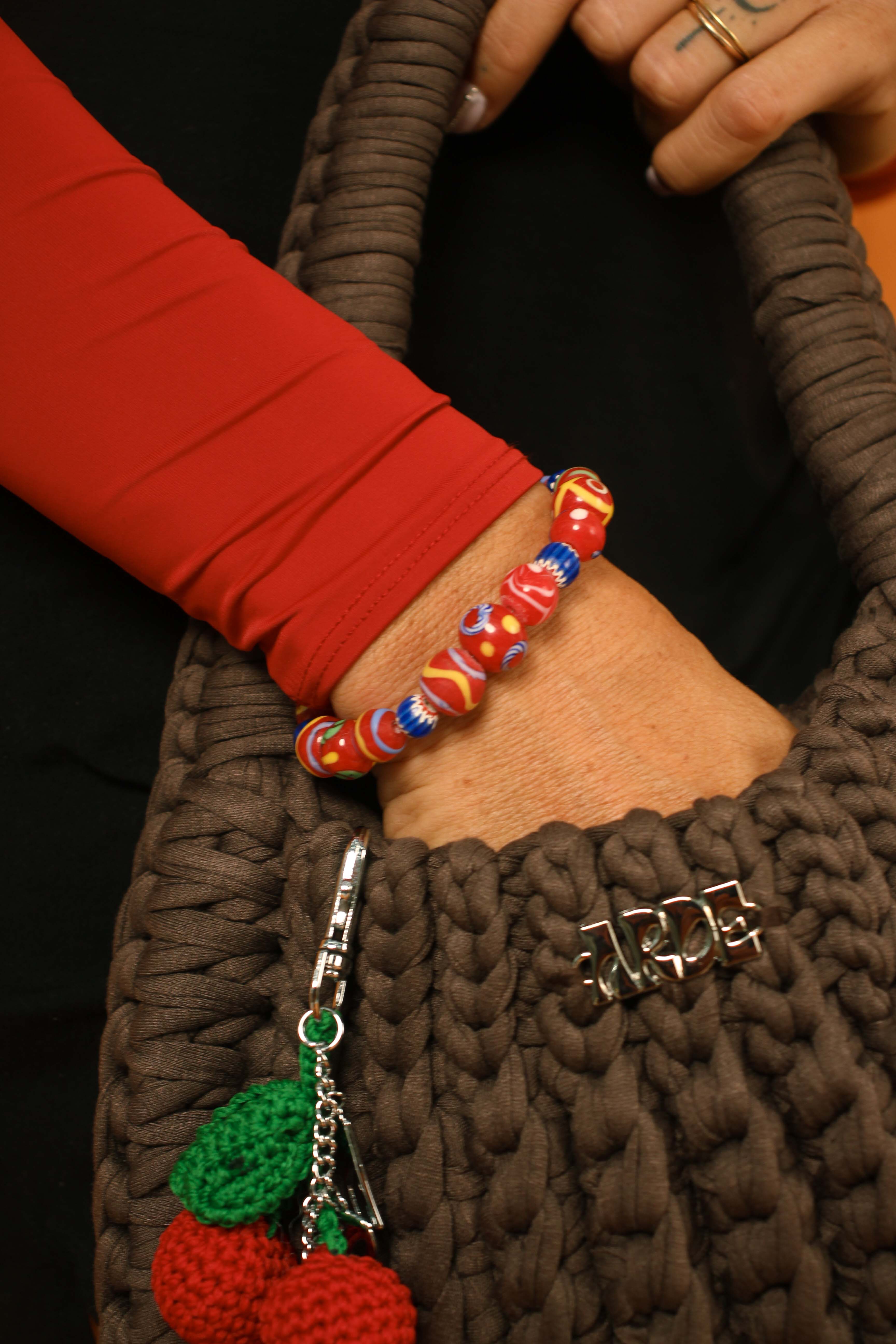
A necklace that quietly becomes part of your everyday uniform.
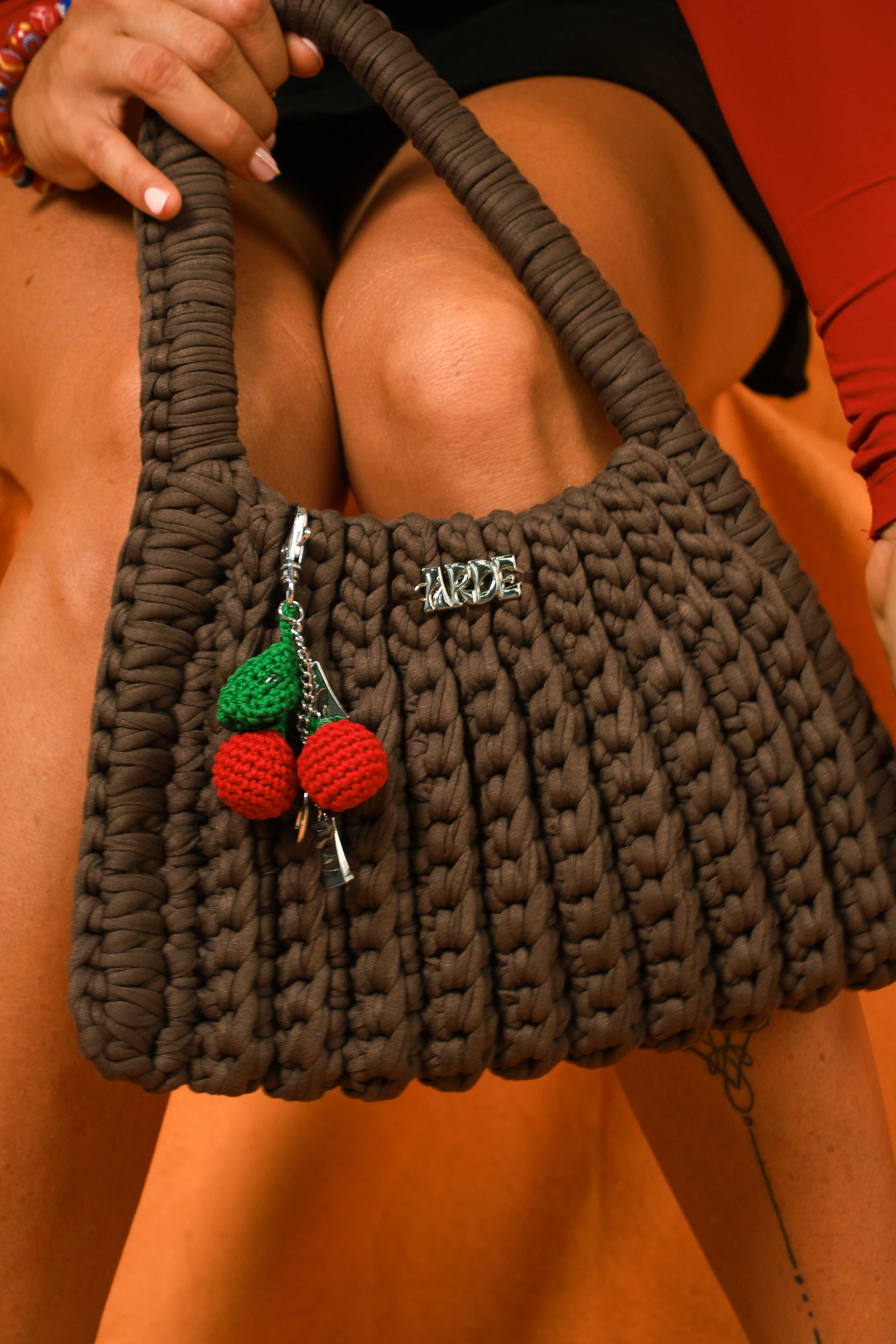
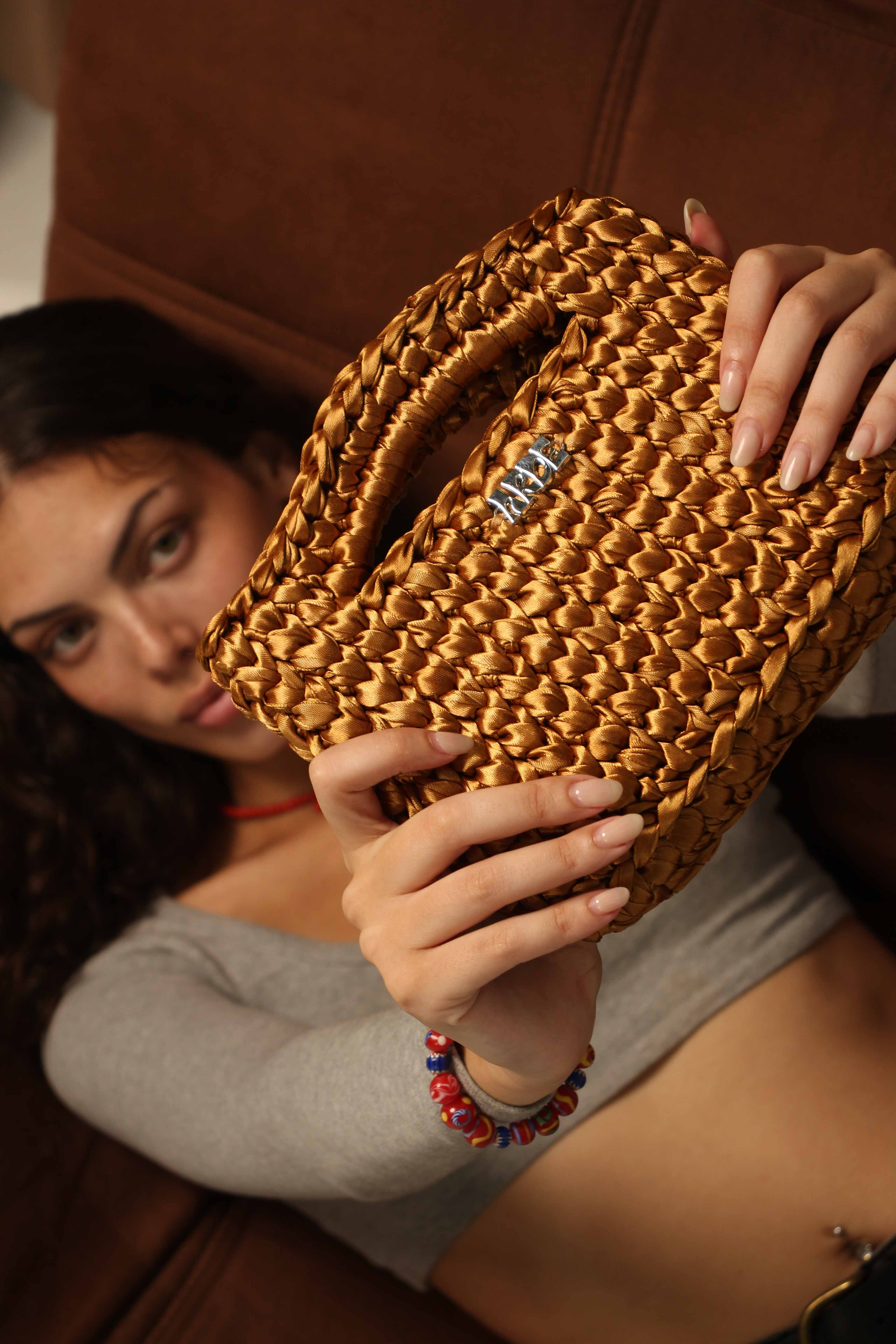
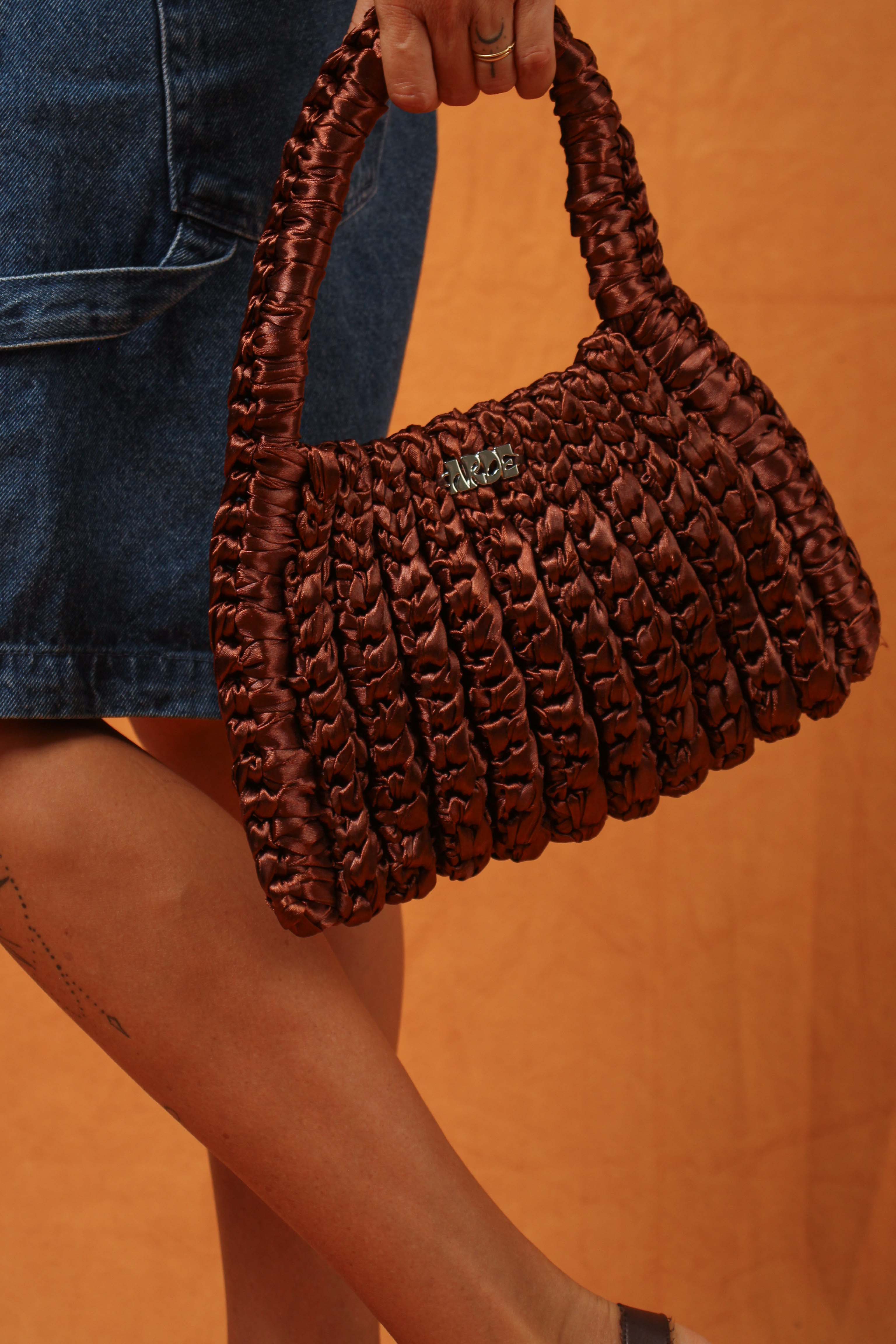
A woven texture your hands recognise before your eyes do.
The objects that stay with us are rarely the most perfect.
They're the ones that feel human.
Perhaps that's why handmade matters more than ever.
Not because it's nostalgic.
Because we're living in a world where almost everything else is becoming automated.
Algorithms choose what we see.
Artificial intelligence writes what we read.
Machines produce what we wear.
Human touch has quietly become one of the rarest materials of all.
And maybe that's why we're drawn to it.
Not because we want perfection.
Because we're searching for presence.
To explore the world of slow textile craft is to discover that the value of an object isn't measured only by what it is.
It's measured by how it was made.
And by how it makes us feel every time we reach for it.

Slow Craft Is Less About Time Than Attention
People often describe handmade objects as time-consuming.
But time isn't really what makes them different.
Attention does.
Every woven knot.
Every change in tension.
Every decision made by instinct rather than automation.
These are small acts of care that remain invisible until you begin living with the object itself.
The result isn't simply a beautiful bag.
It's an object that feels alive.
Not because it's flawless.
Because another human being spent hours making thousands of tiny decisions that no machine ever would.
Perhaps that's why we become attached to handmade objects so easily.
We don't just recognise the craftsmanship.
We recognise the presence behind it.

The Rhythm Behind Every Stitch
Every handmade object begins long before it becomes recognisable.
Long before colour.
Long before shape.
It begins with repetition.
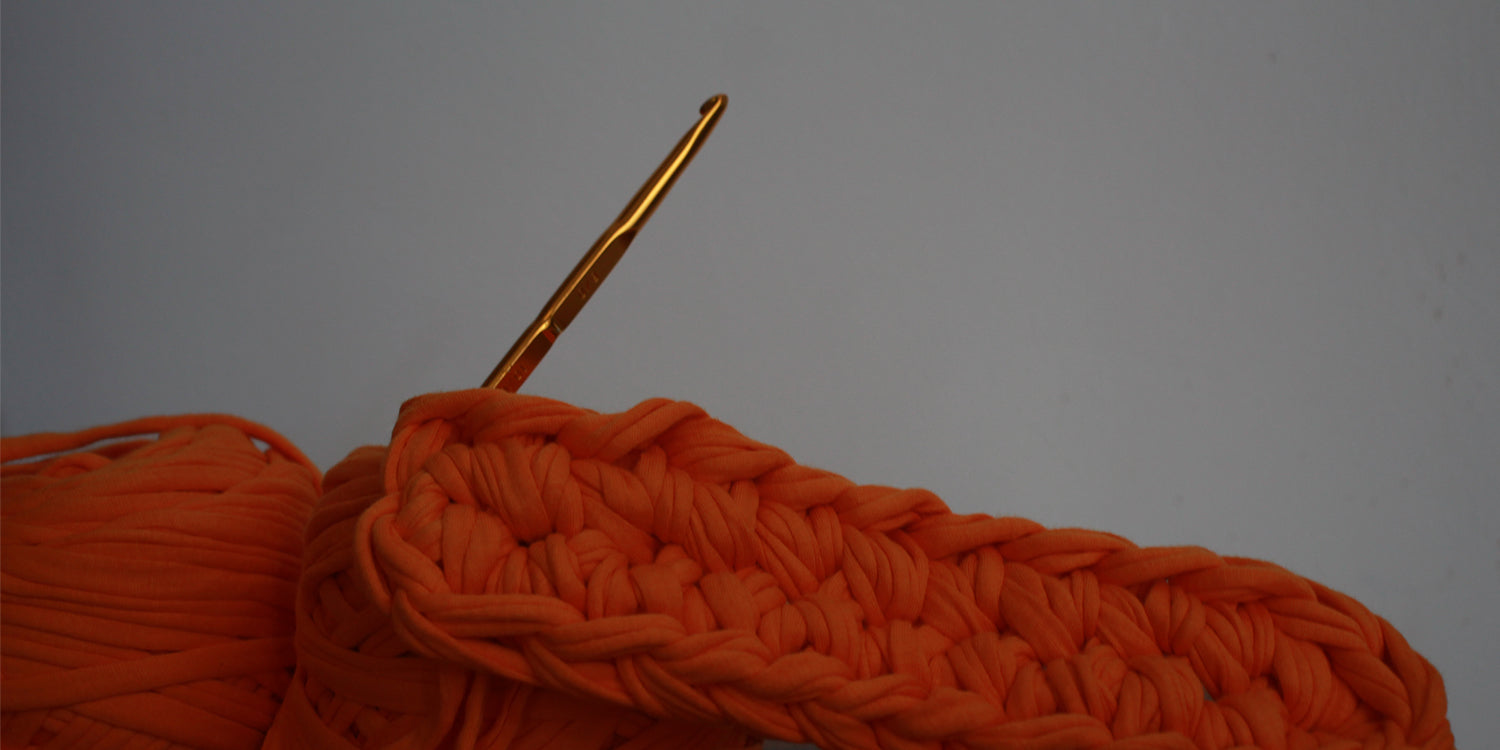
Loop.
Pull.
Knot.
Repeat.
There is something almost meditative about watching an artisan work.
Not because the movements are complicated.
Because they're completely present.
Nothing is rushed.
Nothing is skipped.
Each stitch depends on the one before it.
That quiet rhythm is impossible to automate.
And although the finished object never explains how it was made, you can often feel it.
The softness.
The structure.
The weight.
The subtle irregularities that remind you another person was here.
Every piece carries its own pace.
Perhaps that's why it quietly changes ours.

The Beauty of Doing One Thing at a Time
It's becoming increasingly rare to do just one thing.
We answer messages while making coffee.
Listen to podcasts while walking.
Scroll while waiting.
Even rest has become another task to optimise.
Somewhere along the way, we stopped experiencing moments fully.
Handcraft asks something different of us.
It asks for presence.
Every knot depends on the one before it.
Every loop asks for the same quiet attention.
There are no shortcuts.
No notifications.
No rush to finish.
Just the steady rhythm of hands repeating the same movement until something beautiful begins to appear.
Perhaps that's why handmade objects feel different.
Not simply because they're made slowly.
Because they were created by someone who was completely there.
And maybe that's what we recognise when we hold them.
Not just craftsmanship.
Presence.

What Makes Slow Textile Craft Different?
Slow textile craft is the practice of creating textiles through skilled handwork rather than industrial automation.
Instead of prioritising speed and uniformity, it values attention, patience and craftsmanship. Every woven loop carries subtle variations that make each piece completely unique while preserving the character of the artisan who created it.

The Anatomy of Patience
People often ask how long it takes to make a handwoven bag.
The answer isn't a number.
It's a process.
Every piece begins long before the first knot is tied.
It starts by choosing the right rescued textile—one with the strength, texture and flexibility needed to become something that will be carried for years.
Only then does the weaving begin.
For a single macramé piece, that can mean anywhere between 300 and more than 1,000 individual knots, depending on the complexity of the design.

Each one is tightened by hand.
Each one needs exactly the right tension.
Too loose, and the structure softens.
Too tight, and the rhythm of the piece changes.
There isn't a machine correcting these decisions.
Only experience.
Only the hands of the artisan.
A typical piece unfolds something like this:
Hours 1–2
Measuring, cutting and preparing every cord before the first knot is made.
Hours 3–8
Building the structural foundation, row by row, ensuring every line holds the same tension.
Hours 9–14
Weaving the intricate textures and patterns that give each design its depth and character.
Hour 15 onwards
Hand-finishing every detail, securing hidden joins and testing the strength of the finished piece before it leaves the studio.
Seen this way, luxury looks different.
It isn't created by scarcity.
It's created by attention.
Every hour remains quietly present in the object long after it's finished.

Built From a Single Thread
Most accessories begin with subtraction.
A pattern is placed over a large sheet of fabric.
The shape is cut out.
Everything left behind becomes waste.
Crochet and macramé work in the opposite direction.
Nothing is removed.
Everything is added.
A piece begins with a single loop.
Then another.
Then another.
Row after row, it slowly grows into its final form.
Because the structure is built rather than cut, almost every centimetre of yarn is used.
Even mistakes don't become waste.
If an artisan notices an error halfway through a piece, the yarn isn't discarded.
The knots are simply undone.
The same cord is patiently woven again.
Nothing is lost.
Only time.
By the end of the process, what's left on the studio floor is often no more than a few loose threads from the final finishing.
Tiny remnants that are collected, reused in sampling, or returned to the earth when compostable.
Perhaps that's the quiet beauty of slow craft.
It doesn't punish imperfection.
It simply allows you to begin again.

A Different Kind of Luxury
Luxury has often been defined by rarity.
Or price.
Or exclusivity.
We see it differently.
Luxury is opening your wardrobe and recognising every object inside.
Luxury is carrying something that wasn't designed to be replaced next season.
Luxury is knowing another person spent hours creating something you'll live with for years.
Not because it needed to take longer.
Because some things simply can't be hurried.

Frequently Asked Questions
Why do handmade textiles feel different?
Handmade textiles carry subtle variations created by human hands rather than machines. Those differences give every piece its own texture, movement and character, creating an object that feels personal instead of identical.
Why are handmade bags more durable than people expect?
Crochet and macramé distribute weight across hundreds of interconnected loops instead of relying on a few stitched seams. This creates a flexible structure that adapts naturally to everyday use while remaining remarkably strong.
What makes rescued textiles valuable?
Rescued textiles give existing materials a new purpose instead of requiring new production. Beyond reducing waste, they create one-of-a-kind pieces with unique textures and colours that can never be replicated exactly.
Can a handmade bag be repaired?
Yes. Unlike many mass-produced accessories, handmade crochet and macramé pieces can often be repaired using the same techniques with which they were originally created, allowing them to be worn and loved for many years.
Why does slow craftsmanship matter today?
In a world designed for speed, slow craftsmanship reminds us that the most meaningful objects often take time. They invite us to choose with intention, value human skill and build a wardrobe around pieces that stay with us rather than quickly being replaced.