The New Definition of Luxury: Why Handmade Fashion Matters More Than Status
Luxury is changing
For a long time, luxury was easy to recognise.
A logo. A monogram. A name everyone knew.
Luxury lived in the things that could be seen from across a room — the handbag, the watch, the car, the label. The more recognisable the object, the more clearly it seemed to communicate that you had made it.
But something has shifted.
Today, many women are looking for something different from the things they buy.
Not necessarily less beautiful. Not necessarily less considered. Not necessarily less special.
Just less concerned with proving anything.
Instead, there is a growing appreciation for objects that have a sense of time, craft, individuality and human touch.
A handwoven textile. A ceramic cup made by a small studio. A vintage piece with a little history. A handmade bag that took hours to create.
The value is no longer only in what the object says to other people.
It is in how it feels to live with it.
This may be one of the most interesting shifts happening in fashion today: luxury is moving from status to meaning.

What is meaningful luxury?
Meaningful luxury is the idea that the value of a fashion piece comes from more than its price or recognisable name. It is shaped by craftsmanship, materials, time, individuality, longevity and the relationship we develop with the object.
In other words, meaningful luxury asks different questions.
Not:
How much does this cost?
But:
Who made it?
Not:
Is everyone wearing it?
But:
Will I still love it when the trend has passed?
Not:
What does this say about my status?
But:
What does this add to my everyday life?
This is where handmade fashion becomes particularly interesting.

Why handmade fashion feels different
There is something difficult to replicate about an object made by human hands.
When something is handmade, the process leaves traces.
A slight variation in tension. A particular texture. A colour that looks subtly different depending on the light. A tiny imperfection that reminds you that the object wasn't simply produced by a machine and moved along a conveyor belt.
These details aren't necessarily flaws.
They are evidence.
Evidence that time was involved. That a person was involved. That the finished piece passed through someone's hands.
Mass production has given us incredible access to fashion, but it has also made sameness incredibly easy.
When thousands of people can buy exactly the same object, individuality becomes harder to find.
Handmade fashion offers another possibility:
you don't have to be different because the trend says so. You can simply choose something that feels like you.

Handmade bags: when an everyday object becomes something more
A bag is a particularly interesting object because we live with it.
We carry it to work.
We take it travelling.
We leave it beside a table at lunch.
We throw our keys into it. We carry books, sunglasses, children's things, a laptop, a notebook, whatever the day happens to require.
It becomes part of our movements.
So perhaps the most meaningful question isn't:
“Is this bag fashionable?”
It is:
“Can I imagine this bag becoming part of my life?”
A handmade bag can turn an ordinary daily object into something more personal.
The texture becomes familiar.
The colour becomes associated with a particular summer.
The small variations remind you that someone made it.
Eventually, it stops being simply a bag.
It becomes your bag.
That relationship is difficult to manufacture at scale.

From accumulation to curation
For years, fashion encouraged us to accumulate.
The new season arrives.
Then the new colour.
Then the new shape.
Then the new microtrend.
And suddenly something you bought six months ago feels outdated — not because it stopped being useful or beautiful, but because the conversation moved on.
A more intentional approach to fashion begins somewhere else.
It begins with curation rather than accumulation.
Instead of asking:
What do I need to buy next?
We can ask:
What is actually worth bringing into my life?
This changes the way we look at clothing and accessories.
A piece doesn't need to be constantly new to remain interesting.
In fact, some of the most beautiful things become more meaningful with time.
The jacket that has softened with wear.
The jewellery you never take off.
The bag that has travelled with you.
The object whose small imperfections have become part of its character.
Longevity isn't only about how long something physically lasts. It is also about how long you continue to want it.

What makes a fashion piece meaningful?
There isn't one formula for meaningful fashion, but there are a few questions worth asking before bringing something new into your wardrobe.
1. Who made it?
Knowing something about the person, studio or community behind an object changes our relationship with it.
The maker becomes part of the story.
2. What is it made from?
Materials have their own stories.
Where did they come from? How do they feel? How will they change with use?
Understanding materials allows us to move beyond simply judging something by its appearance.
3. How was it made?
A handmade piece carries something that a mass-produced object cannot quite replicate: the evidence of the process.
Time becomes part of the object.
4. Will I still want it later?
Trends are designed to move quickly.
Personal style doesn't have to.
A useful question is:
Can I imagine myself carrying this five years from now?
5. Does it feel like me?
Perhaps this is the most important question.
Fashion can be a way of following a conversation.
But it can also be a way of expressing your own.

The beauty of imperfection
We have become very accustomed to digital perfection.
Perfect lighting. Perfect symmetry. Perfect skin. Perfect product photography.
But handmade objects remind us of something different.
That beauty doesn't always come from uniformity.
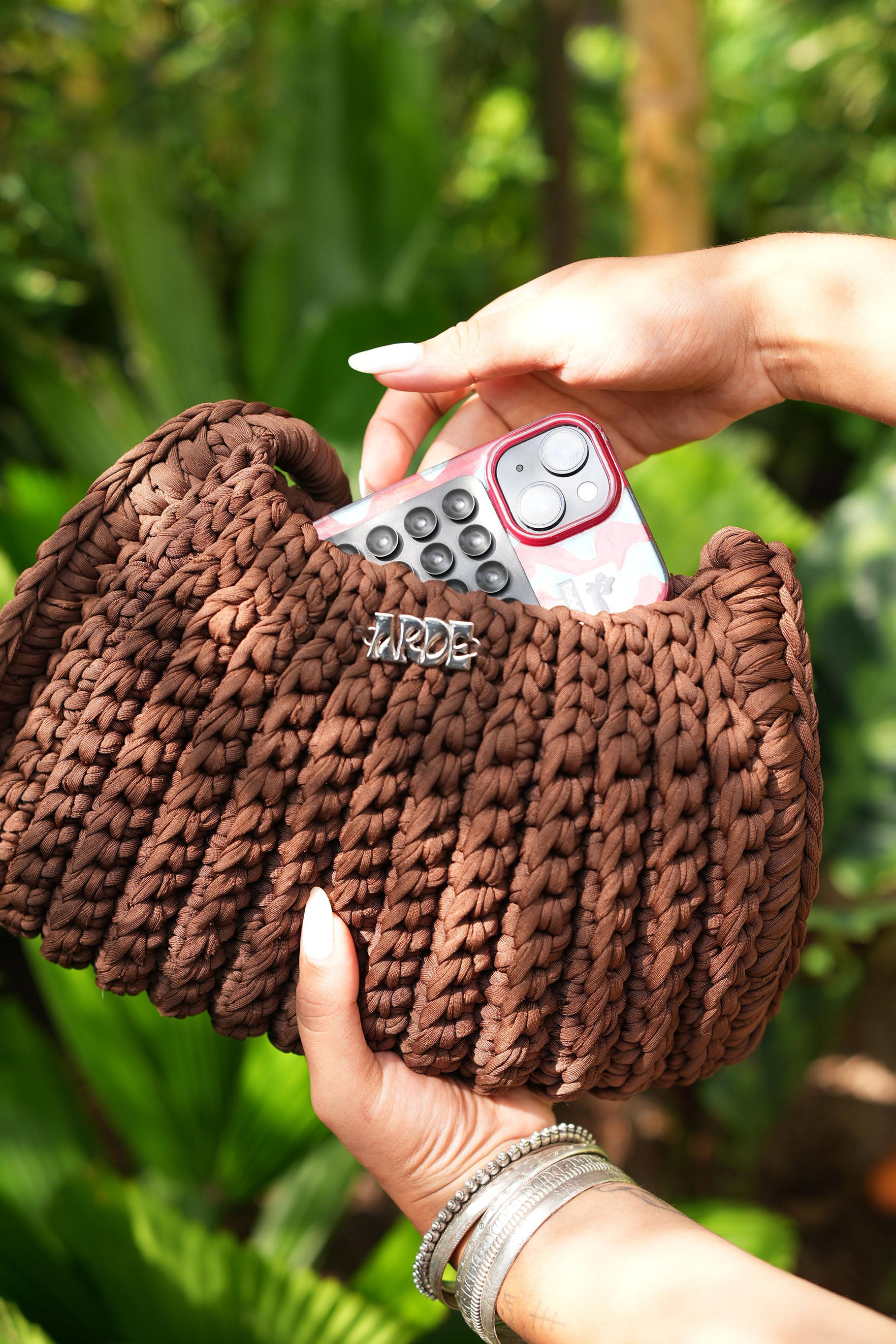
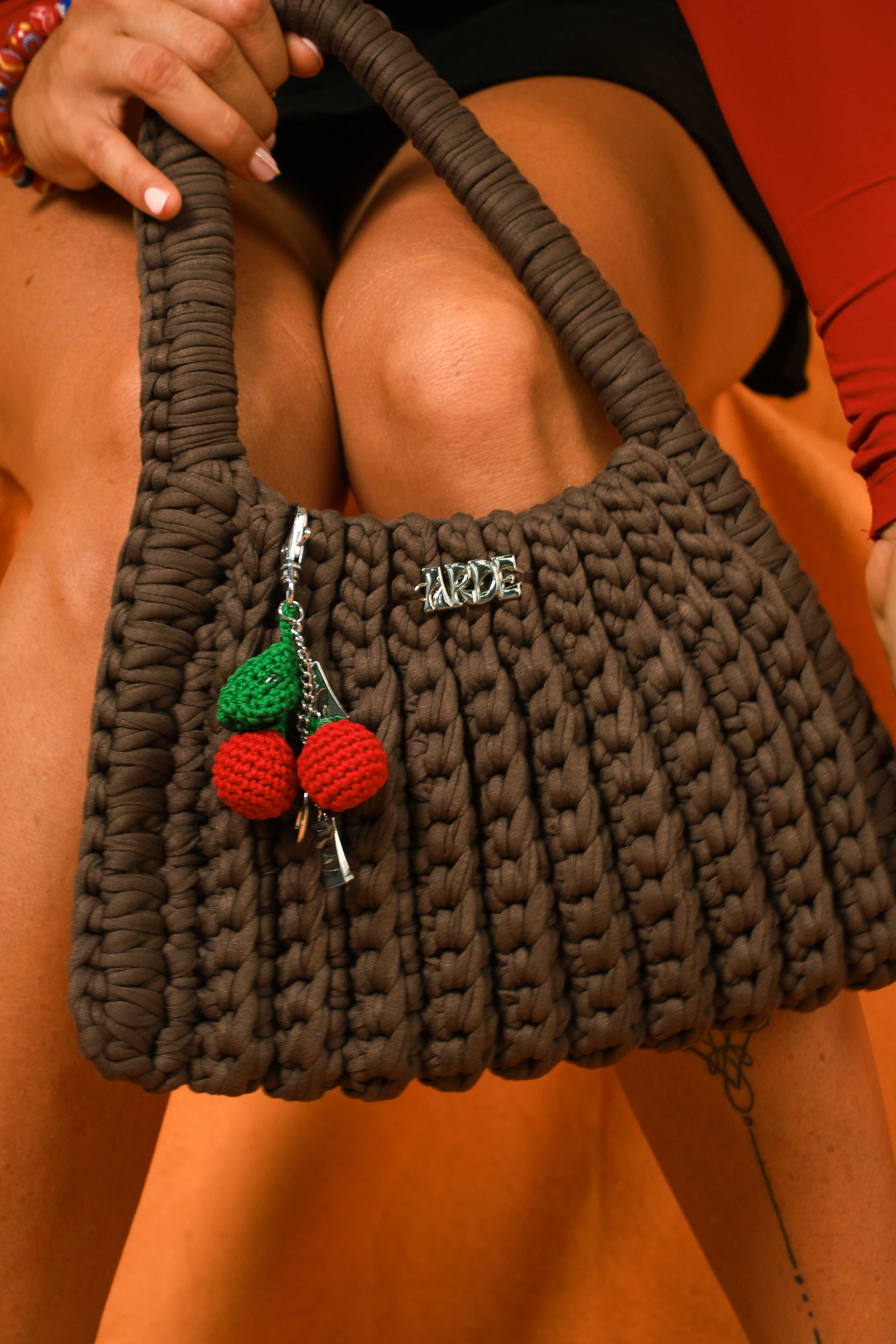
A handmade crochet bag might have subtle differences from another one made in the same colour.
The tension may vary slightly.
The texture may change.
The shape may carry tiny traces of the hands that created it.
These differences are part of the charm.
They tell us:
this wasn't made to be identical. It was made to exist.
And perhaps that is increasingly valuable in a world where so much of what we see has been designed to look exactly the same.

A different idea of sustainable fashion
Choosing handmade or small-batch fashion doesn't automatically make a product sustainable.
The story is more nuanced than that.
But choosing fewer, more considered pieces can change the way we consume.
It encourages us to look at:
- where materials come from
- who makes the product
- how much time goes into it
- whether it is designed to be used repeatedly
- whether we genuinely want it
- whether it can become part of our personal style rather than simply following a trend
For us, this is where conscious fashion becomes interesting.
It isn't about creating a perfect wardrobe.
It's about becoming more aware of the relationship between what we buy, why we buy it and how we live with it.

Our approach to handmade fashion at ARDE
At ARDE, we have always been interested in the space between fashion and everyday life.
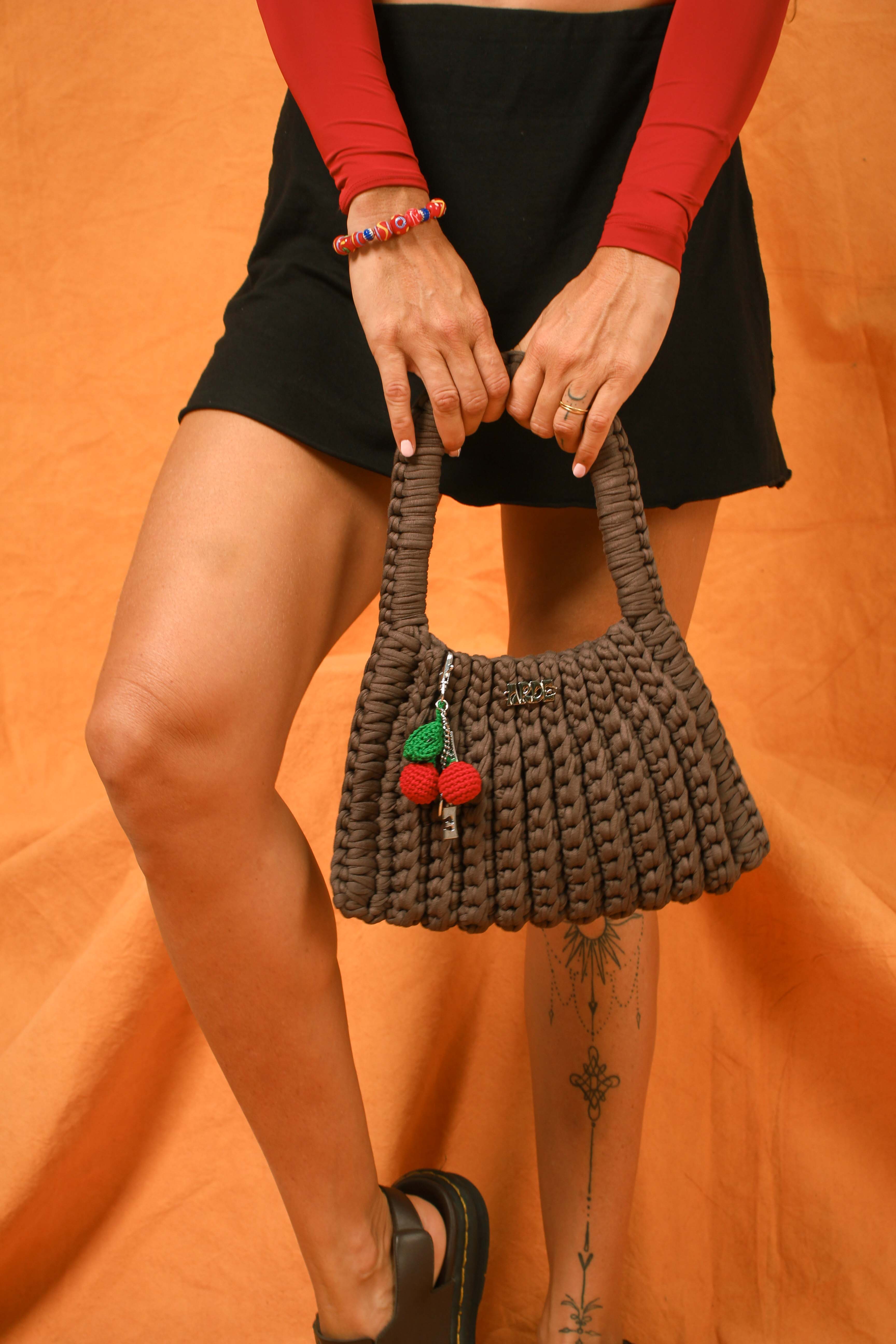
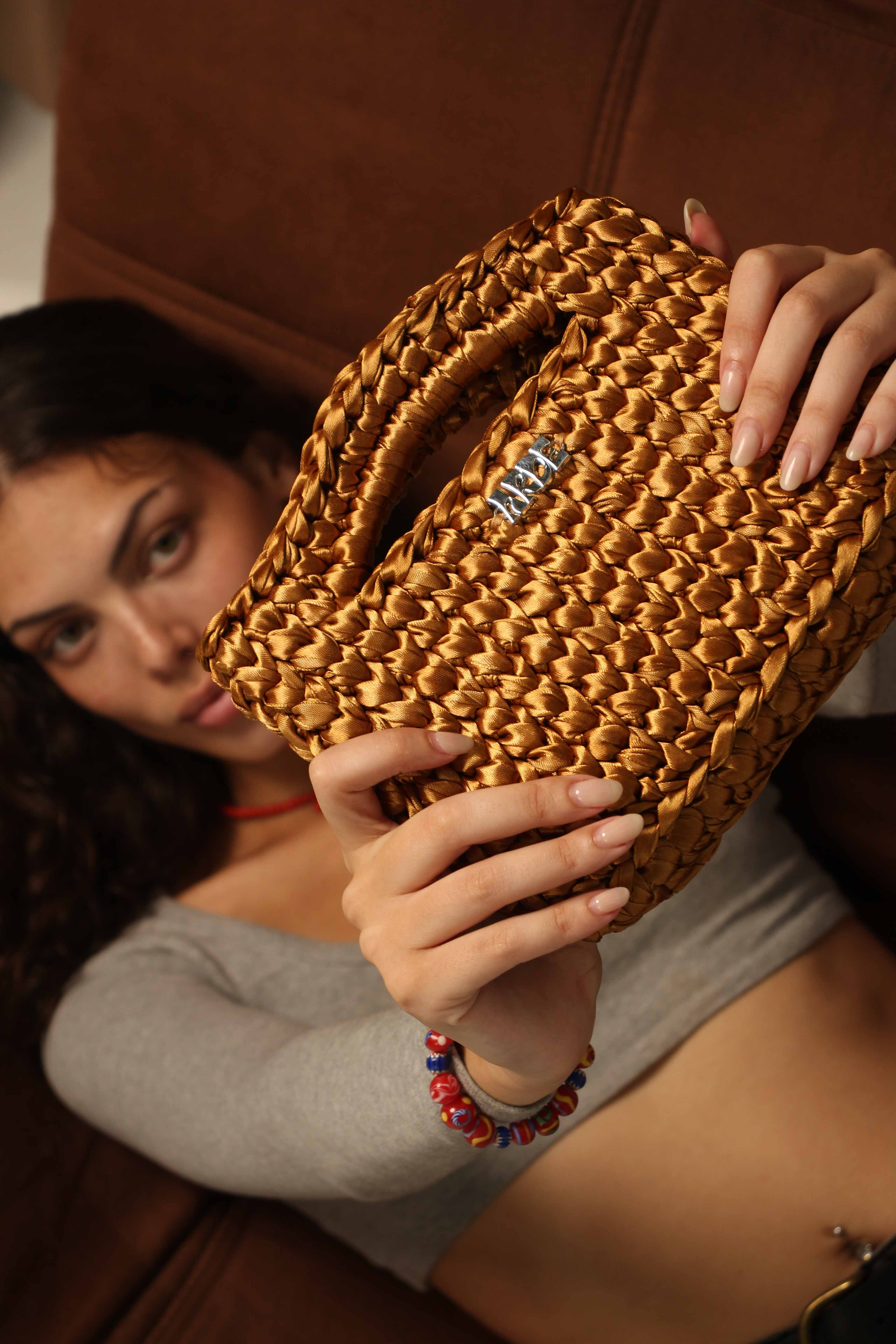
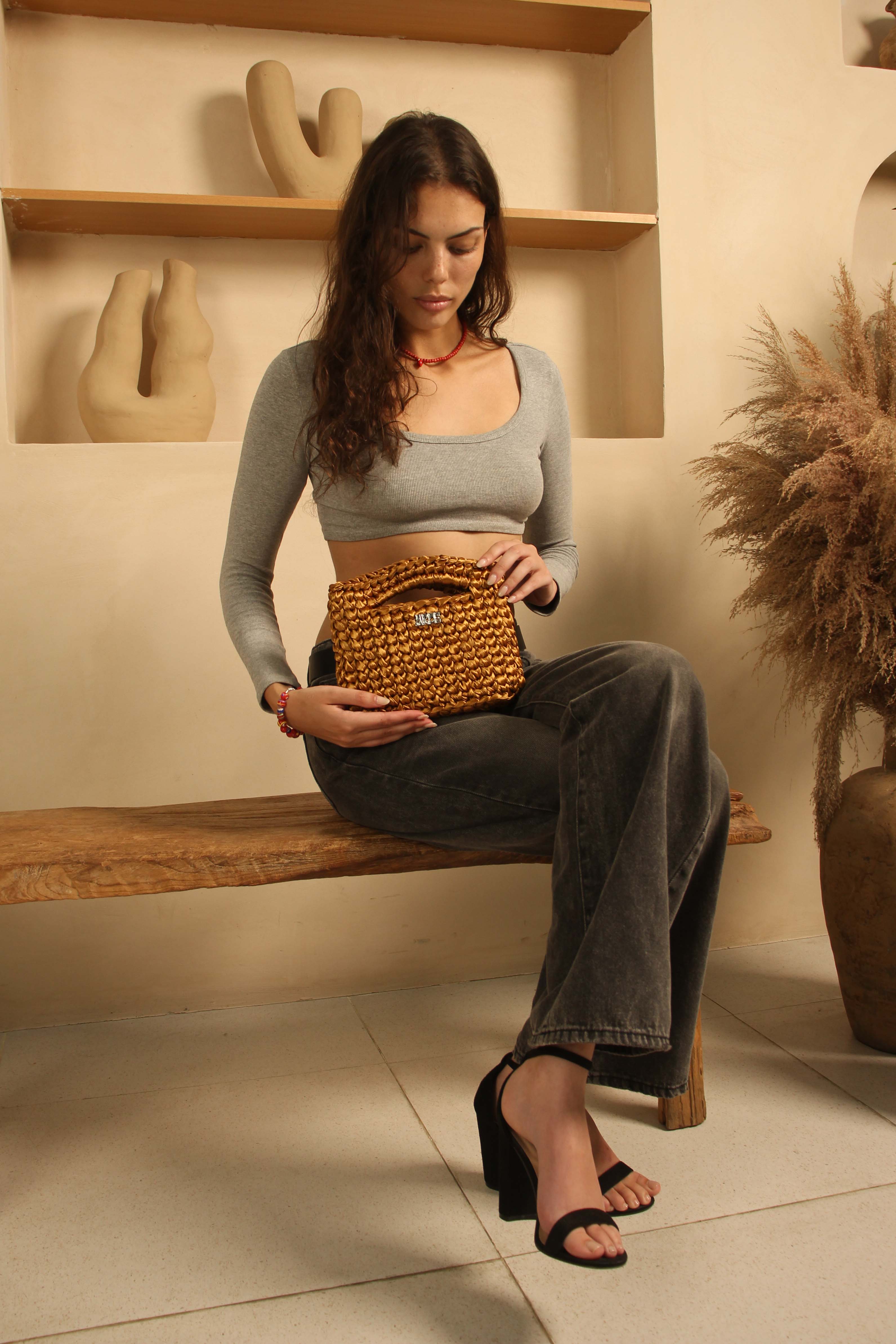
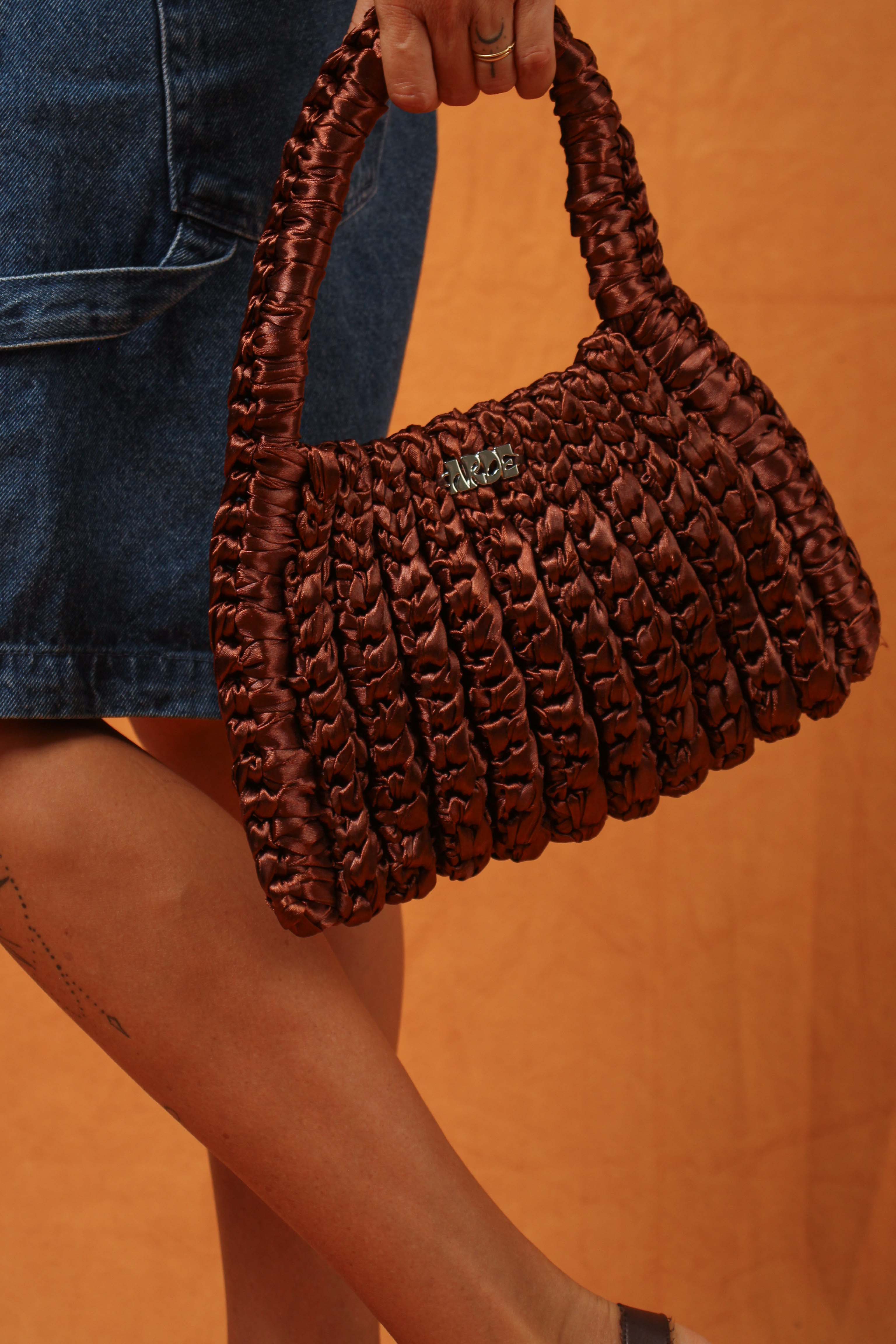
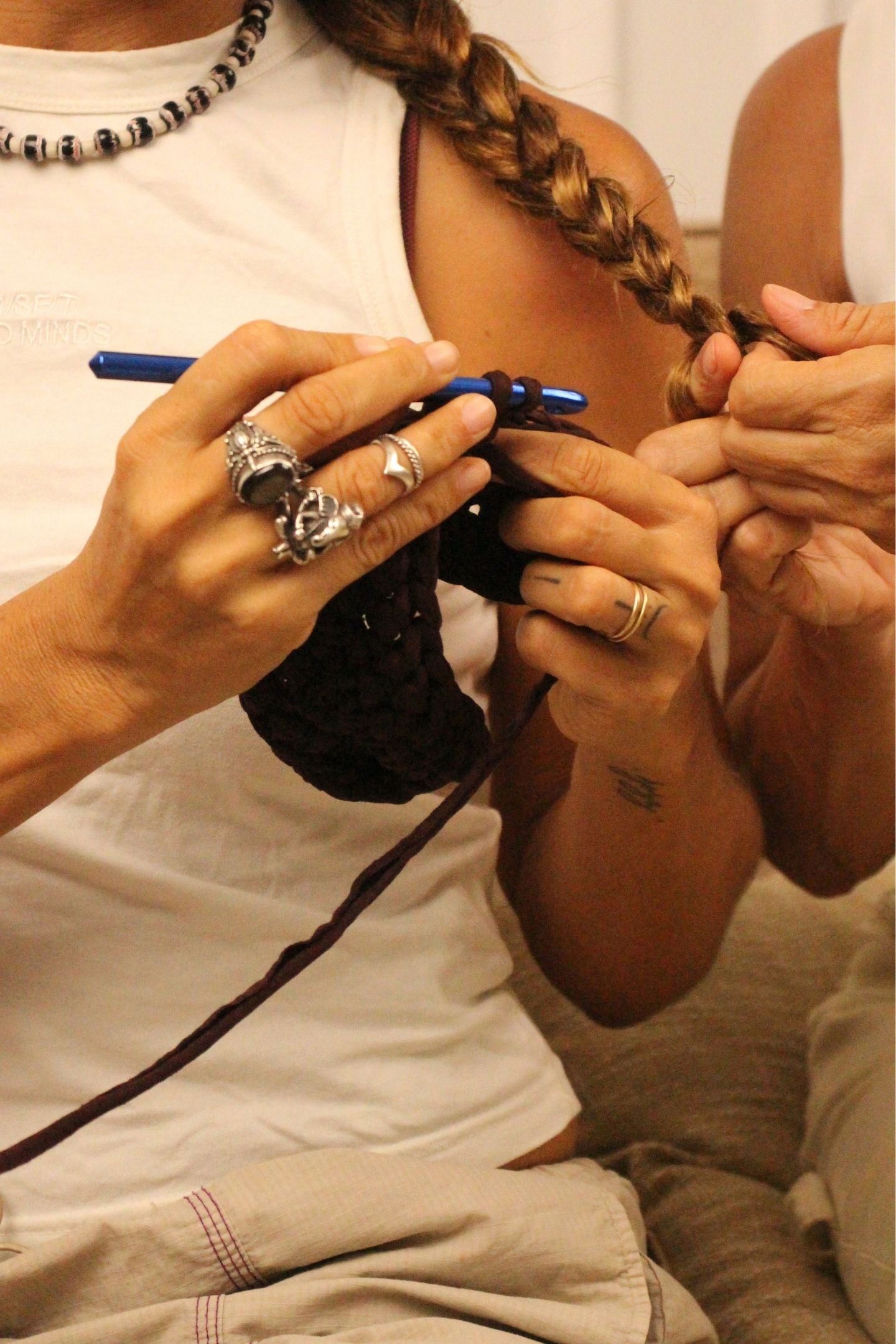
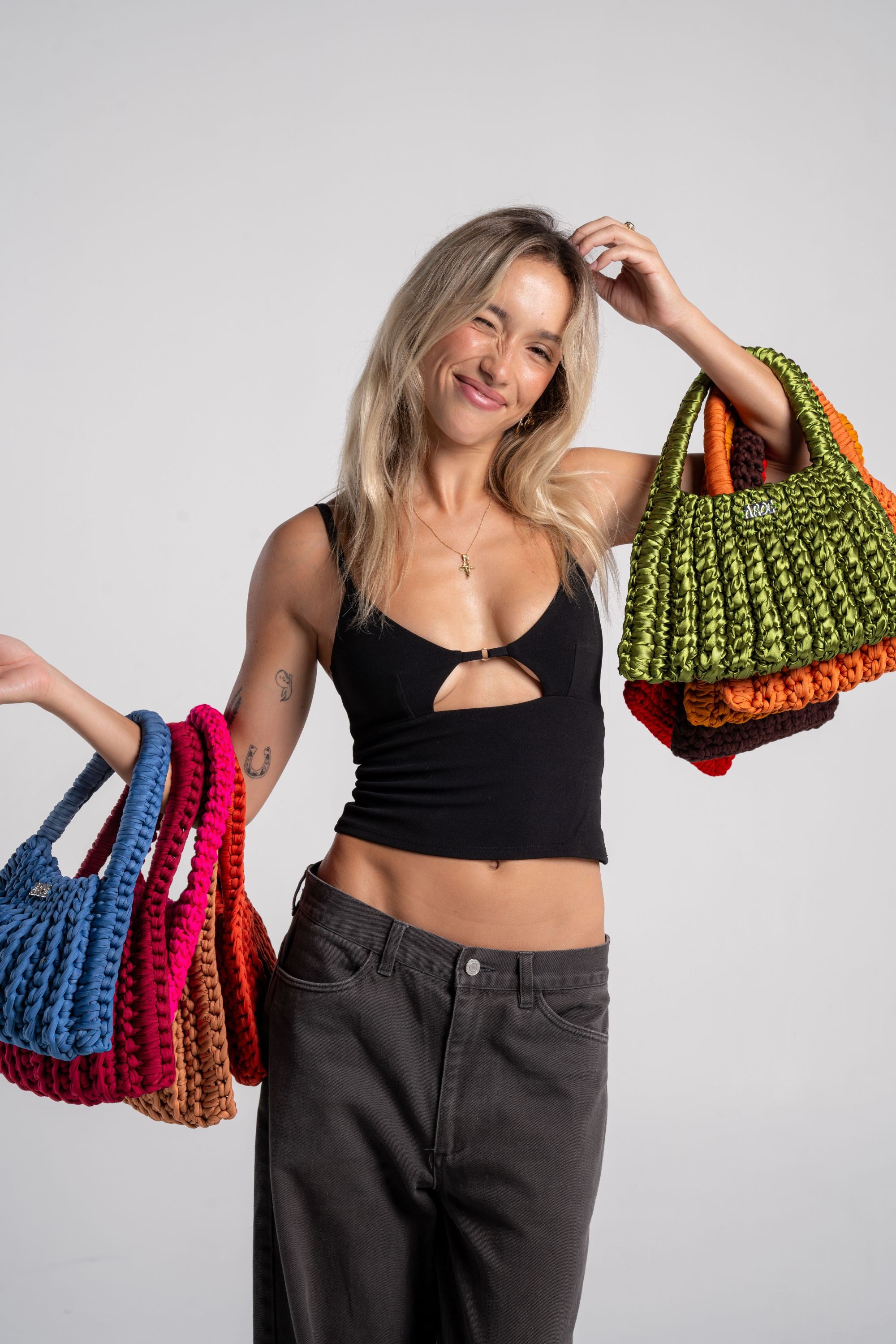
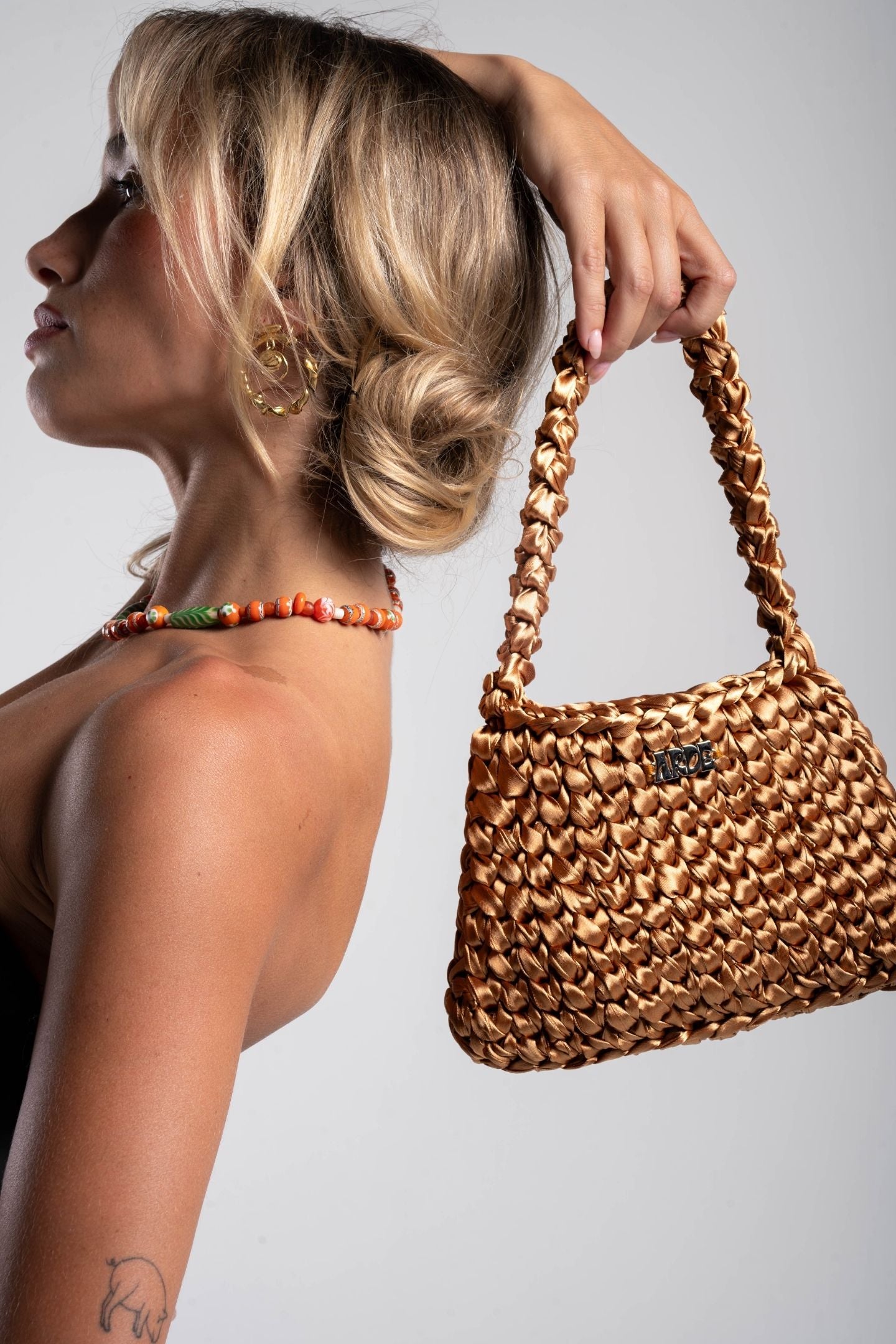
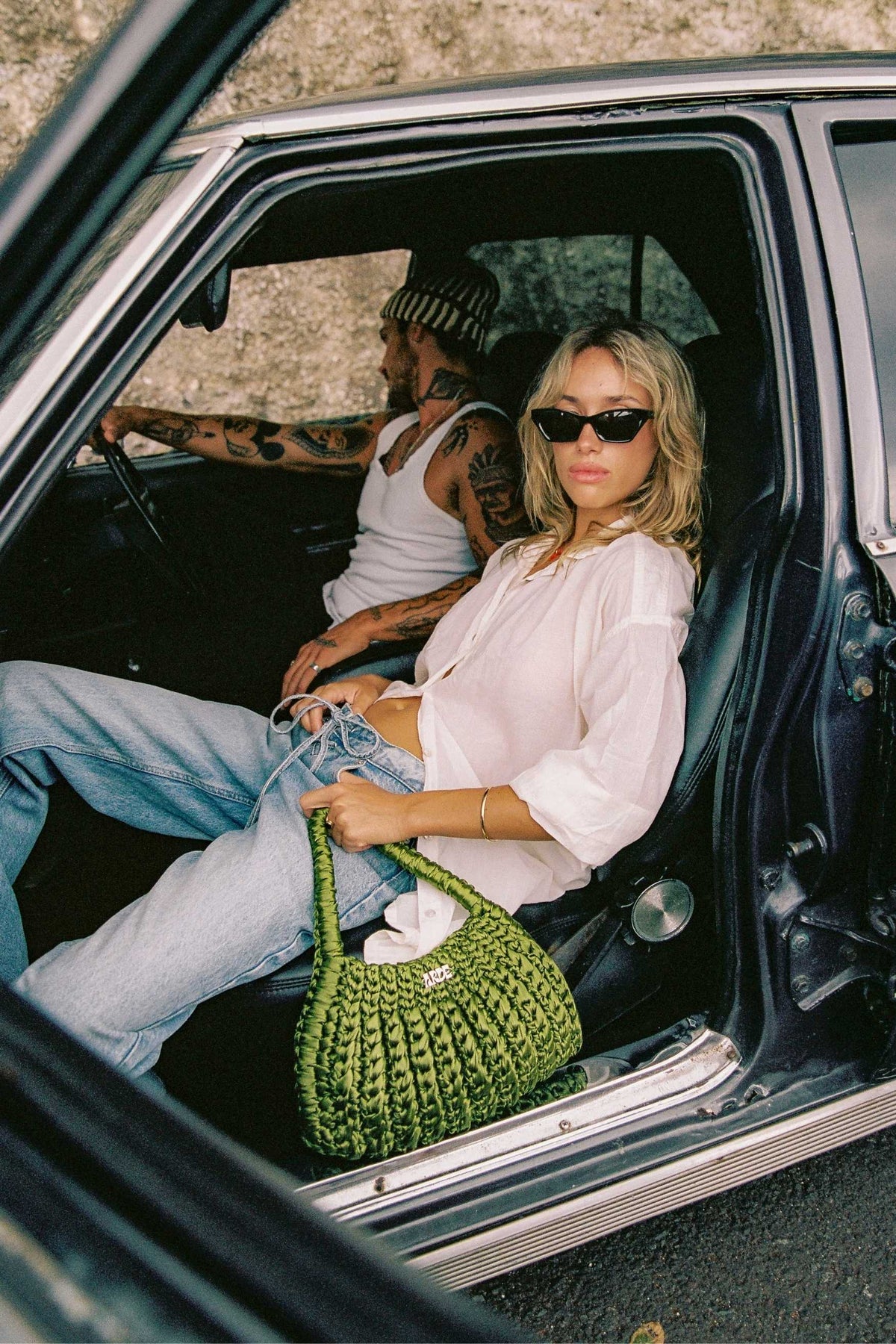
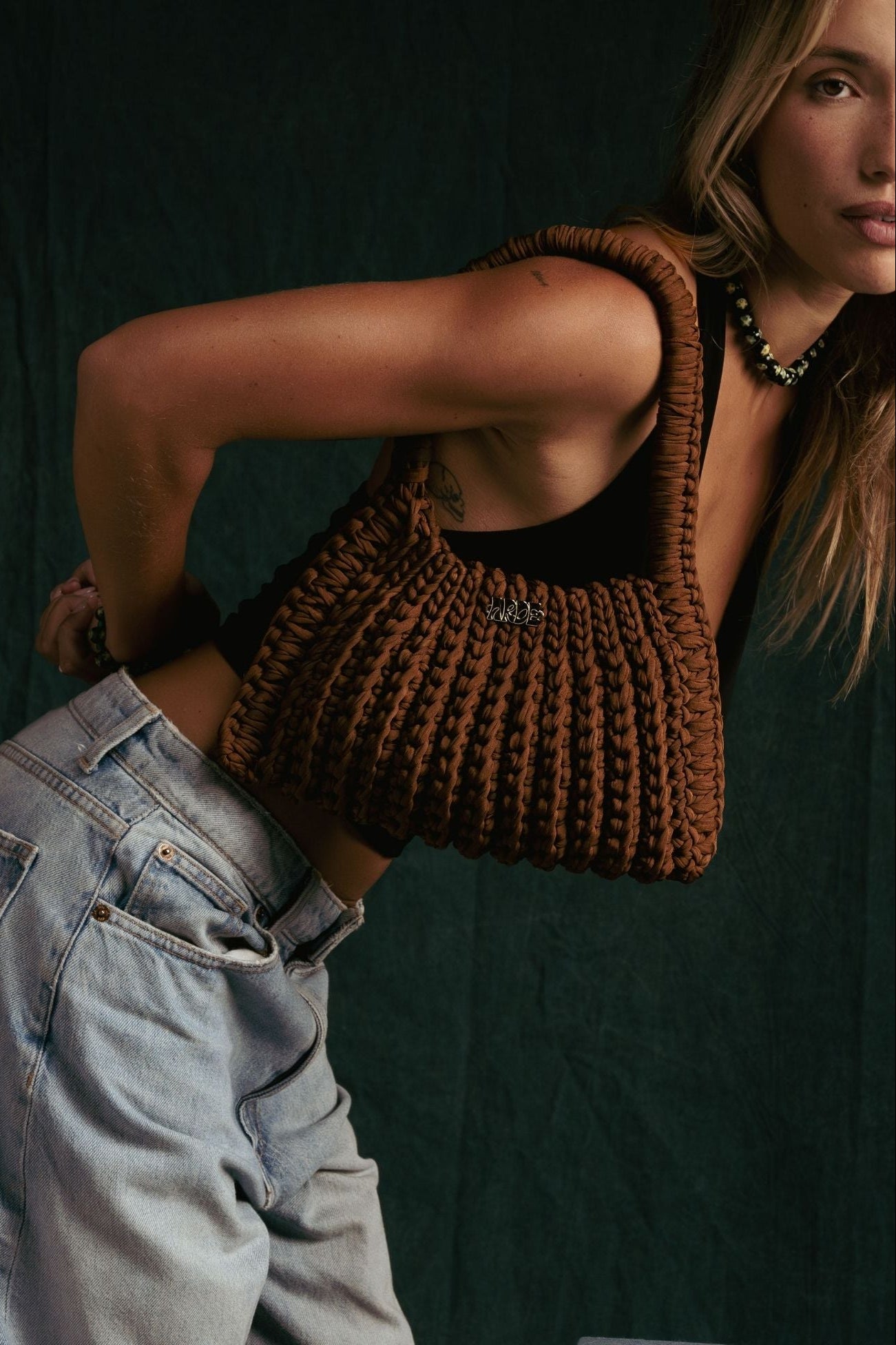
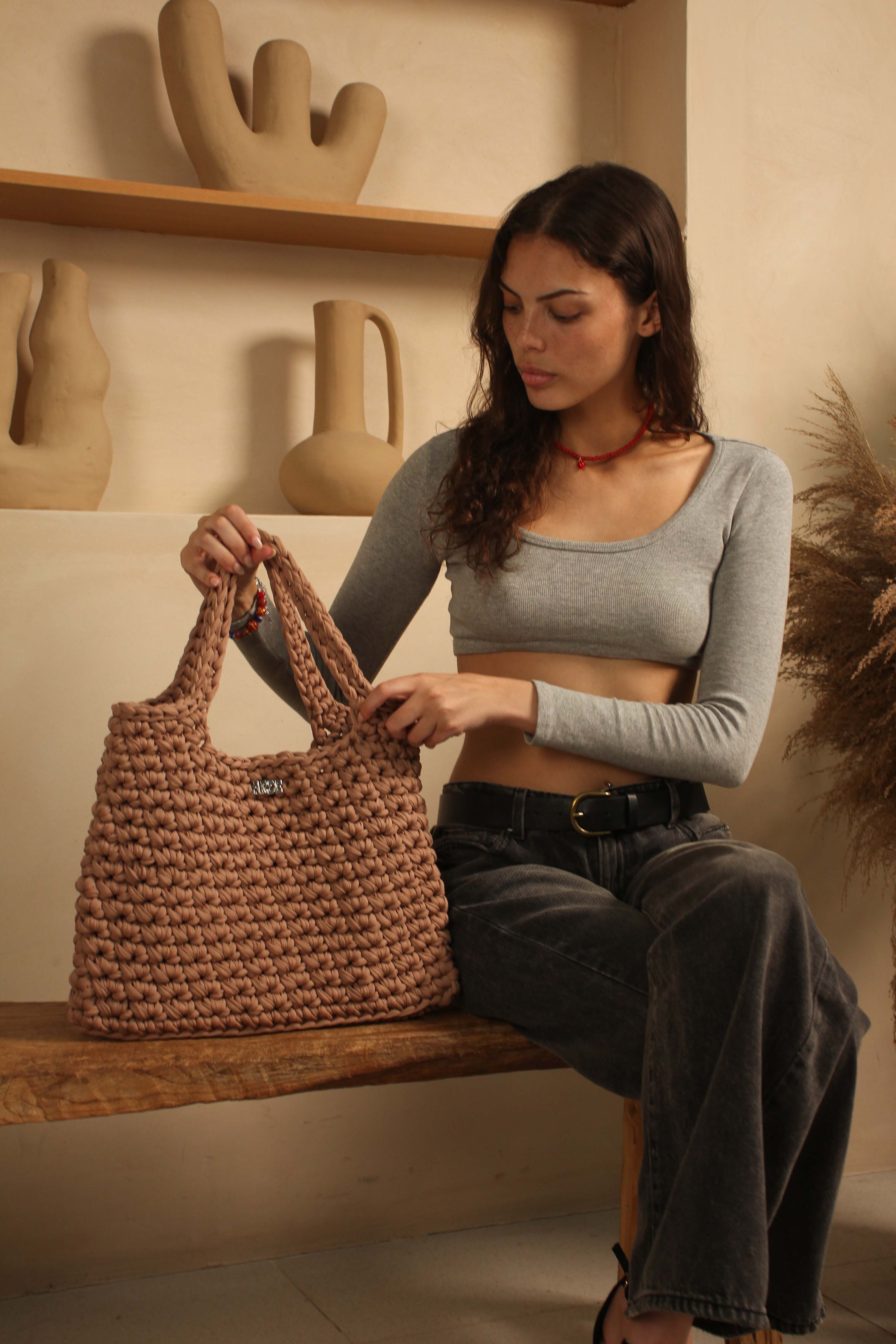
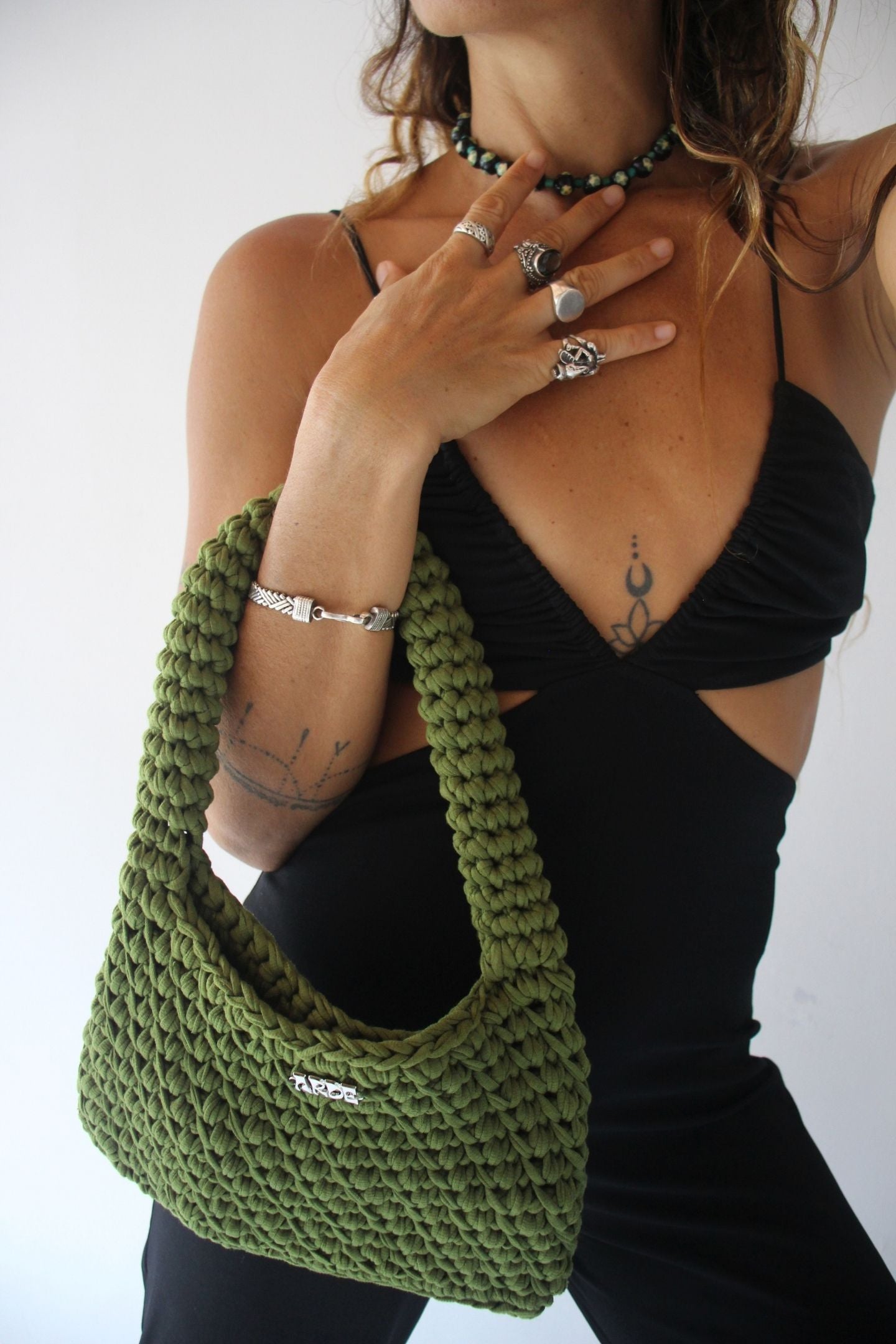
Our bags are handmade in small batches, using techniques that take time and materials that often have another life waiting to be discovered.
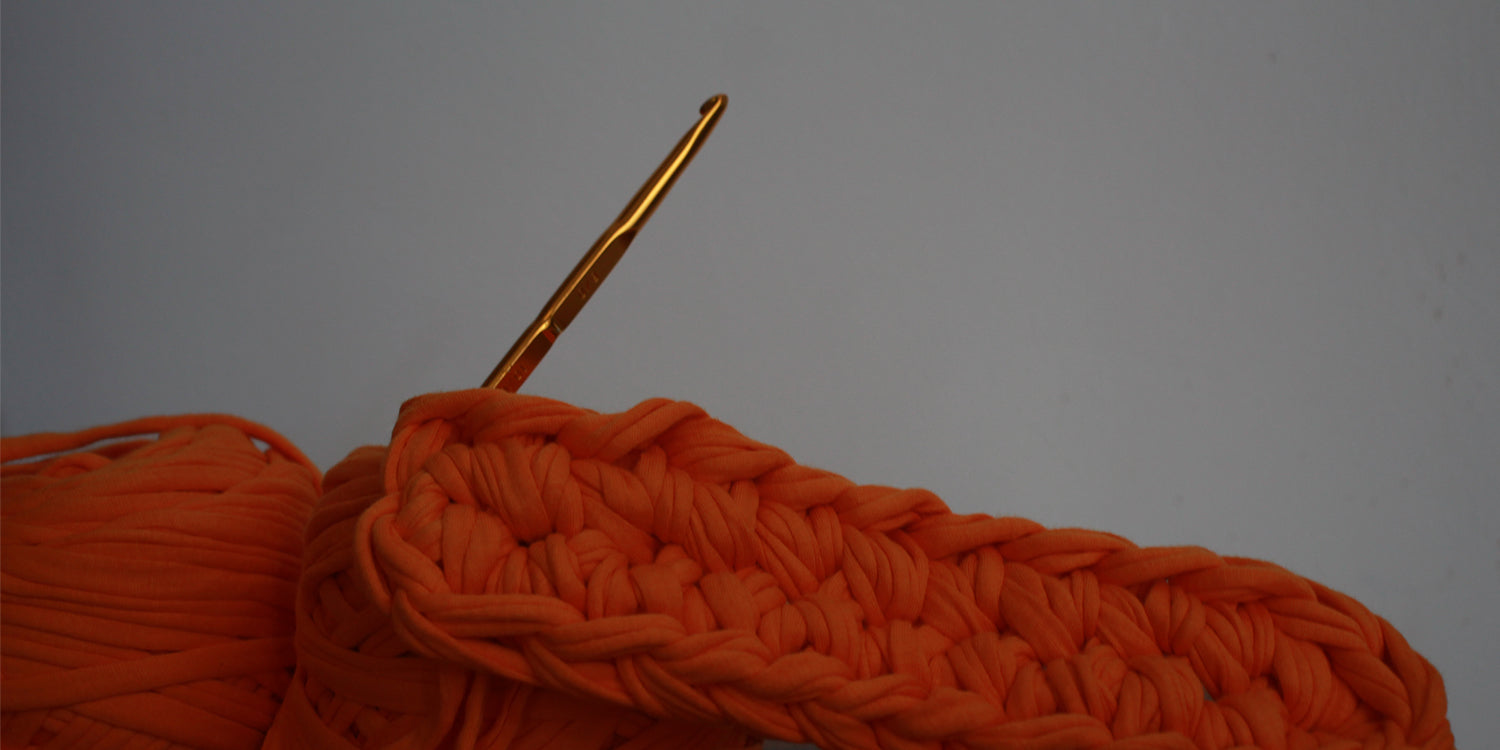
Many of our pieces are made from upcycled textile yarns — materials that began as leftover textile production and are transformed into something completely different.
But the material is only part of the story.
There are also the hands.
The hours.
The colours.
The small variations.
The decisions made along the way.
We don't want our bags to feel like precious objects that have to be kept for a special occasion.
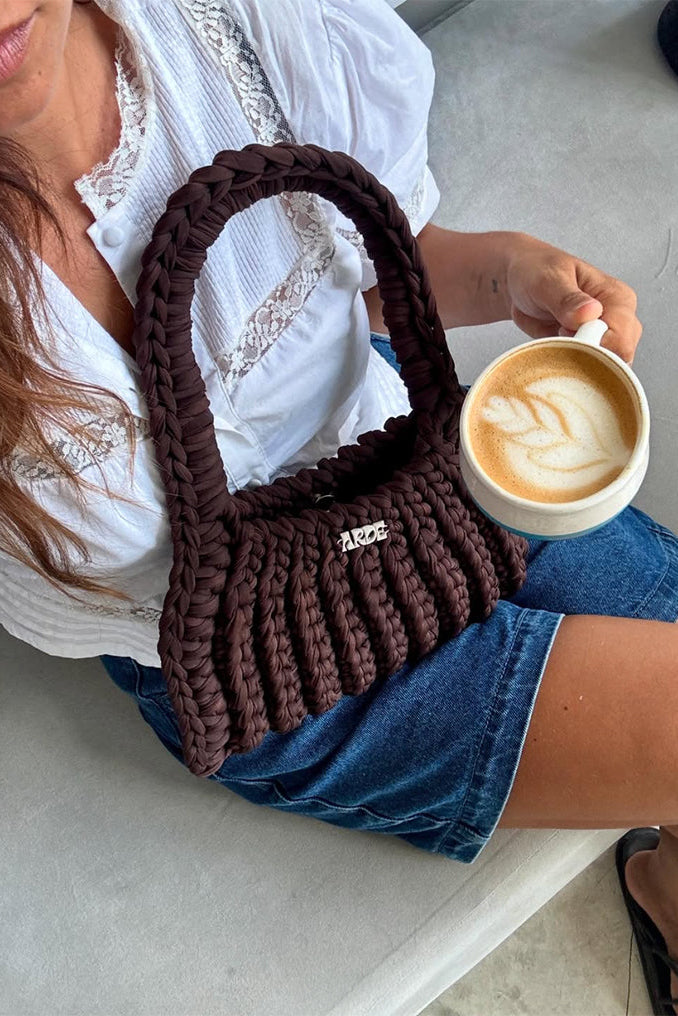
We want them to go with you.
To work.
To the beach.
On a plane.
To dinner.
On a scooter.
To wherever the day takes you.
Because we believe beautiful things are meant to be used.

Luxury can be quiet without being boring
There is a lot of conversation around quiet luxury at the moment.
But quiet doesn't necessarily mean beige.
It doesn't have to mean minimalism, expensive basics or discreet logos.
Perhaps quiet luxury can simply mean choosing for yourself.
Choosing the colour because you love it.
Choosing the texture because you want to touch it.
Choosing the handmade piece because you know someone spent hours creating it.
Choosing something because it feels right in your life — not because an algorithm told you it was next.
That kind of luxury is much harder to photograph.
But much easier to feel.

A new way to choose what we carry
Perhaps the future of fashion isn't about having more options.
Perhaps it's about becoming better at choosing.
Choosing pieces with a story.
Choosing craftsmanship over speed when it matters.
Choosing individuality over uniformity.
Choosing something because you can imagine it travelling through your life with you.
And maybe that is what luxury looks like now.
Not the ability to own everything.
But the freedom to choose what is worth keeping.

Frequently Asked Questions
What is meaningful luxury?
Meaningful luxury is a way of thinking about quality that goes beyond price, status and brand recognition. It places greater value on craftsmanship, materials, time, individuality, longevity and personal connection.
What is the difference between quiet luxury and meaningful luxury?
Quiet luxury generally describes understated fashion with minimal visible branding. Meaningful luxury goes further by considering how something was made, who made it, what materials were used and what personal value it has beyond its status.
Why choose a handmade bag?
Handmade bags offer a closer connection to craftsmanship and the making process. Small variations can make each piece feel more individual, while the time involved in creating it becomes part of its story.
Are handmade bags sustainable?
Not necessarily. Handmade production alone does not make a product sustainable. A more considered approach looks at materials, production methods, longevity, waste and how often a product is likely to be used.
What is slow fashion?
Slow fashion is an approach to fashion that places greater emphasis on thoughtful consumption, quality, longevity, craftsmanship and more considered production rather than constant trend cycles and rapid consumption.
How can I shop for fashion more intentionally?
Start by buying fewer pieces that you genuinely love. Consider who made them, what they are made from, how they were produced and whether you can imagine wearing or using them for years rather than simply for one season.

Carry something with a story.
Explore ARDE's handmade bags, created in small batches and designed to become part of your everyday life.