Why Handmade Bags Take Longer — And Why That Matters
Why do handmade bags take so long to make?
We are used to fashion happening quickly.
A new collection appears.
A trend takes over.
A colour becomes everywhere.
And before we've had time to decide whether we actually like it, something else has already replaced it.
Handmade fashion moves differently.
A handmade bag doesn't begin with a finished product.
It begins with material, an idea and a process.
Then comes the repetition.
The hands.
The hours.
The small decisions.
The making.
And sometimes, it takes much longer than you expect.
At first, that can seem inefficient.
Why spend hours making one bag when a machine could make hundreds?
Because the time isn't simply a cost of production.
Time is part of the object.

How long does it take to make a handmade bag?
There isn't one universal answer.
The time required to make a handmade bag depends on its size, shape, technique, materials and level of detail.
A simple design may take several hours.
A more intricate piece can take considerably longer.
And the making itself is only one part of the process.
There is preparing the material.
Working through the pattern.
Maintaining consistent tension.
Shaping the piece.
Finishing the edges.
Adding hardware or other details.
Checking the final construction.
And sometimes starting again when something doesn't feel right.
This is one of the things we often don't see when we look at a finished bag.
We see the object.
We don't see the hours inside it.

What actually happens when a bag is handmade?
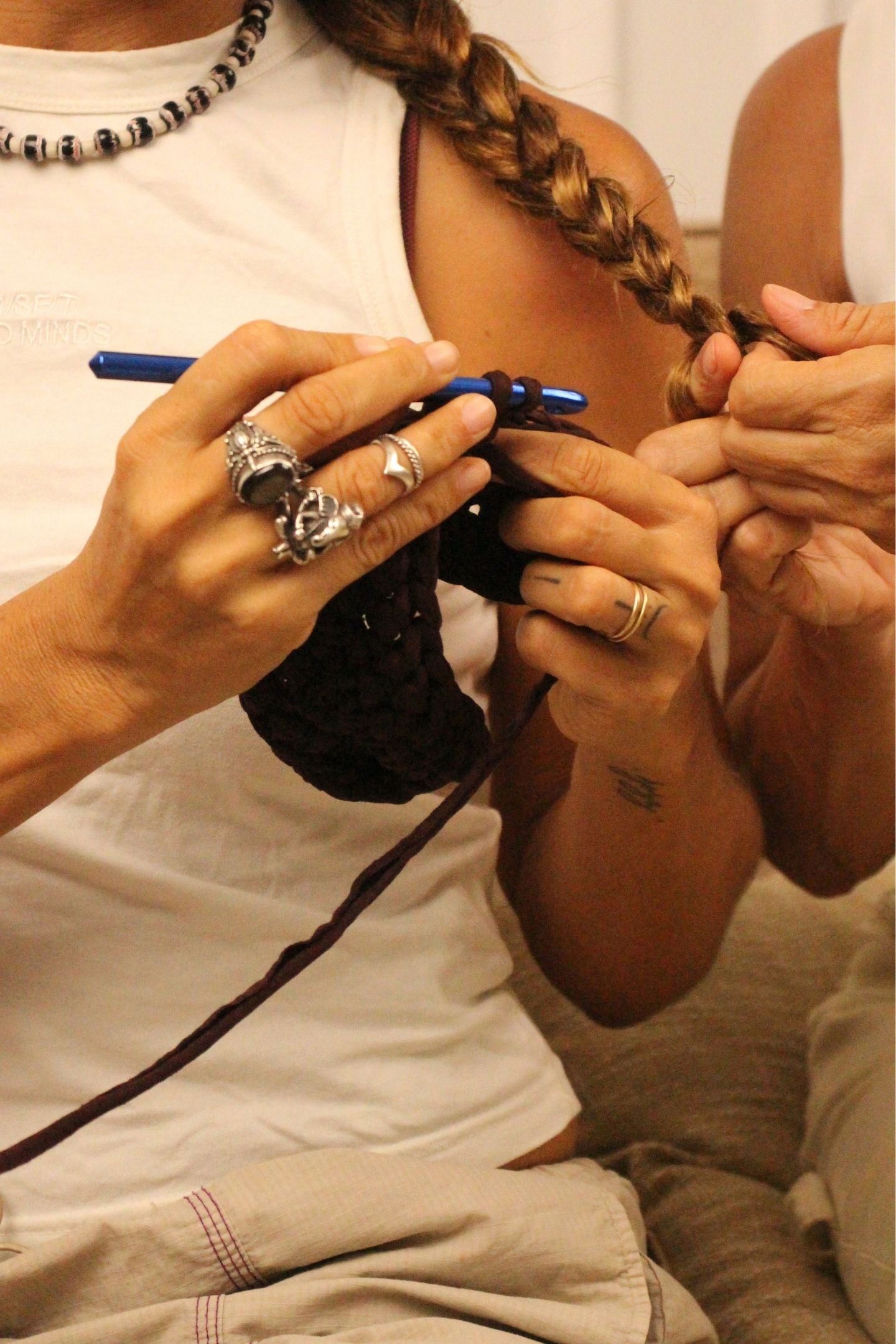
A handmade bag is a sequence of small actions.
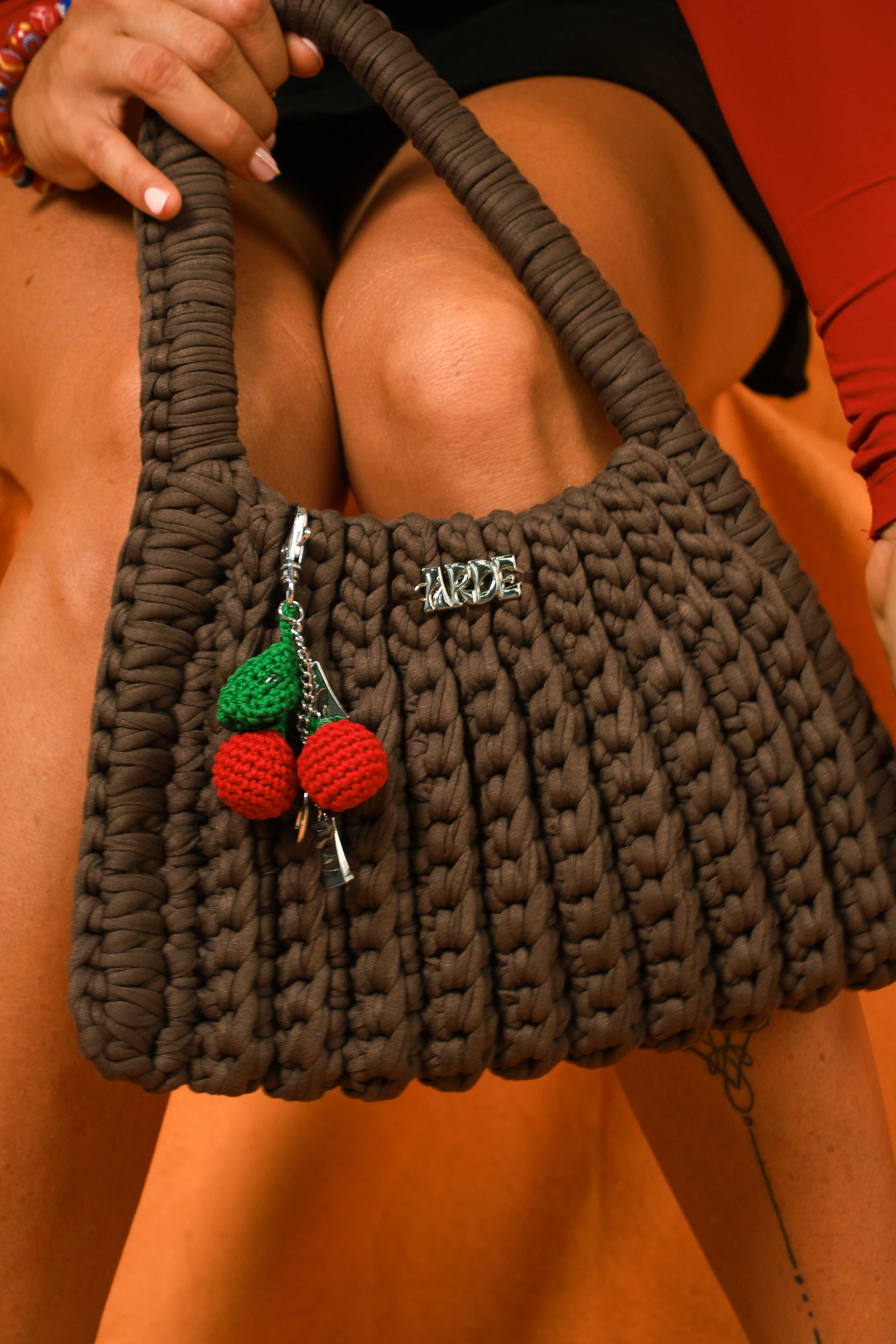
For a crochet or woven bag, this might mean working through hundreds — sometimes thousands — of individual movements.
Loop after loop.
Knot after knot.
Row after row.
The process can feel almost meditative.
But it also requires concentration.
The maker has to pay attention to tension, shape, proportion and consistency while simultaneously working with a material that may not behave exactly the same way every time.
This is where craftsmanship lives.
Not necessarily in one dramatic moment.
But in the ability to repeat a small action carefully, over and over again.
Mastery is often repetition made invisible.

Why can't machines simply make handmade bags faster?
They can make bags faster.
That's exactly why mass production exists.
Machines are exceptionally good at repetition at scale. They can produce large quantities with consistent measurements, predictable results and remarkable speed.
But speed isn't the only measure of quality.
When something is handmade, the process allows for a different relationship between maker, material and object.
The maker can respond to the material.
A texture can influence a decision.
A colour can look different in practice than it did on paper.
A shape can be adjusted.
A small variation can become part of the final piece.
The result isn't necessarily better because it is handmade.
It is different because the human process is visible in the way the object is made.

The beauty of repetition
There is something almost strange about making the same movement hundreds of times.
It sounds boring.
Until you watch someone who knows what they're doing.
The hands become quicker.
The tension becomes instinctive.
The rhythm develops.
The maker no longer needs to consciously think about every movement.
This is how craft becomes skill.
And it is why a handmade object shouldn't be judged only by the finished appearance.
Two bags may look simple from the outside.
But the simplicity may hide a highly developed skill.
The more effortless the finished object looks, the easier it can be to forget how much practice is behind it.

Handmade doesn't mean imperfect. It means human.
One of the misconceptions about handmade fashion is that handmade means irregular or unfinished.
But good craftsmanship isn't about leaving mistakes behind.
It is about understanding the material well enough to work with it.
A handmade piece can be precise.
It can be structured.
It can be beautifully finished.
And still carry subtle variations that tell you it was made by a person rather than produced as one identical unit among thousands.
These variations are part of what gives handmade fashion its character.
A slightly different texture.
A tiny difference in tension.
A colour that catches the light differently.
The evidence of the hand.
Perfectly identical isn't always the same thing as perfectly made.

Why small-batch production matters
Handmade production naturally lends itself to smaller quantities.
When every piece requires time, producing thousands of units isn't as simple as pressing a button.
This changes the relationship between product and consumer.
Instead of making enormous quantities and hoping people will buy them, small-batch production allows a brand to make more deliberately.
It can mean fewer pieces.
More considered colours.
More attention to the making process.
And, importantly, less pressure to constantly create enormous collections simply to keep up with a calendar.
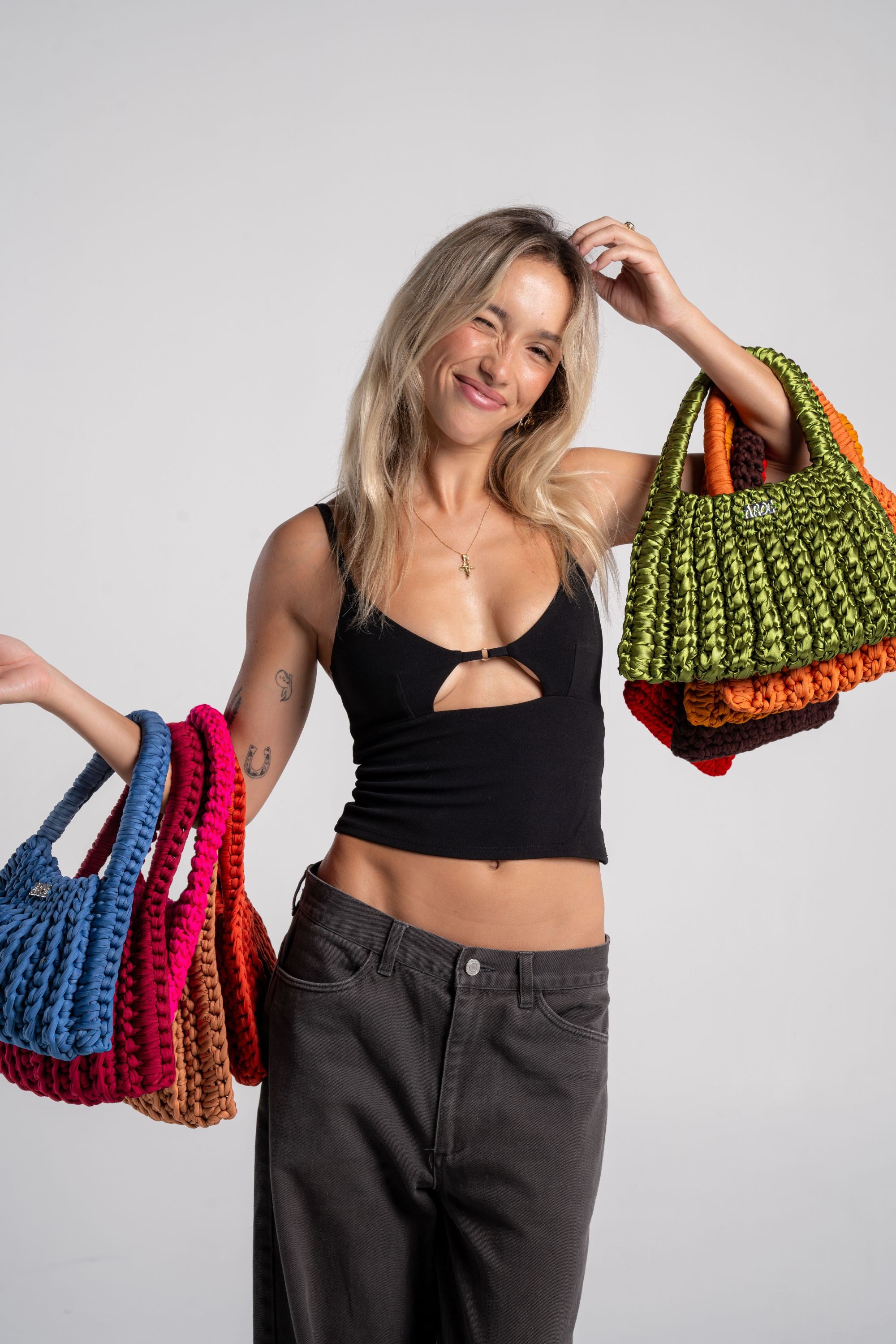
At ARDE, this is part of what makes small batches important.
We don't want every colour to exist forever.
Some pieces appear for a while.
Some colours are made in limited quantities.
And sometimes, when they're gone, they're gone.
Not because scarcity makes something automatically valuable.
But because making everything endlessly available isn't the only way to make fashion.

The material matters too
A handmade process doesn't exist separately from its materials.
The material determines how the maker can work.
How it moves.
How it feels.
How it holds its shape.
How it catches the light.
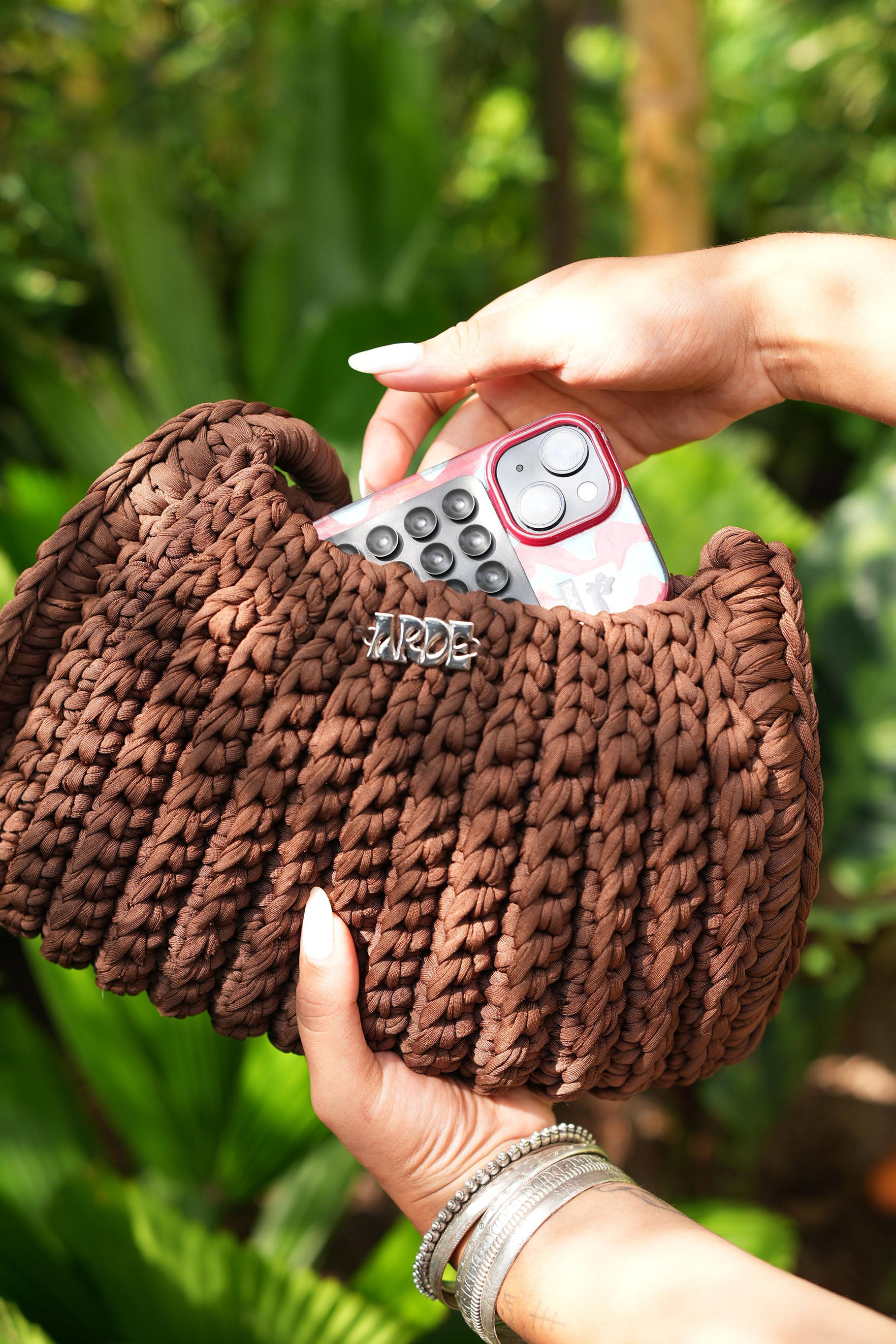
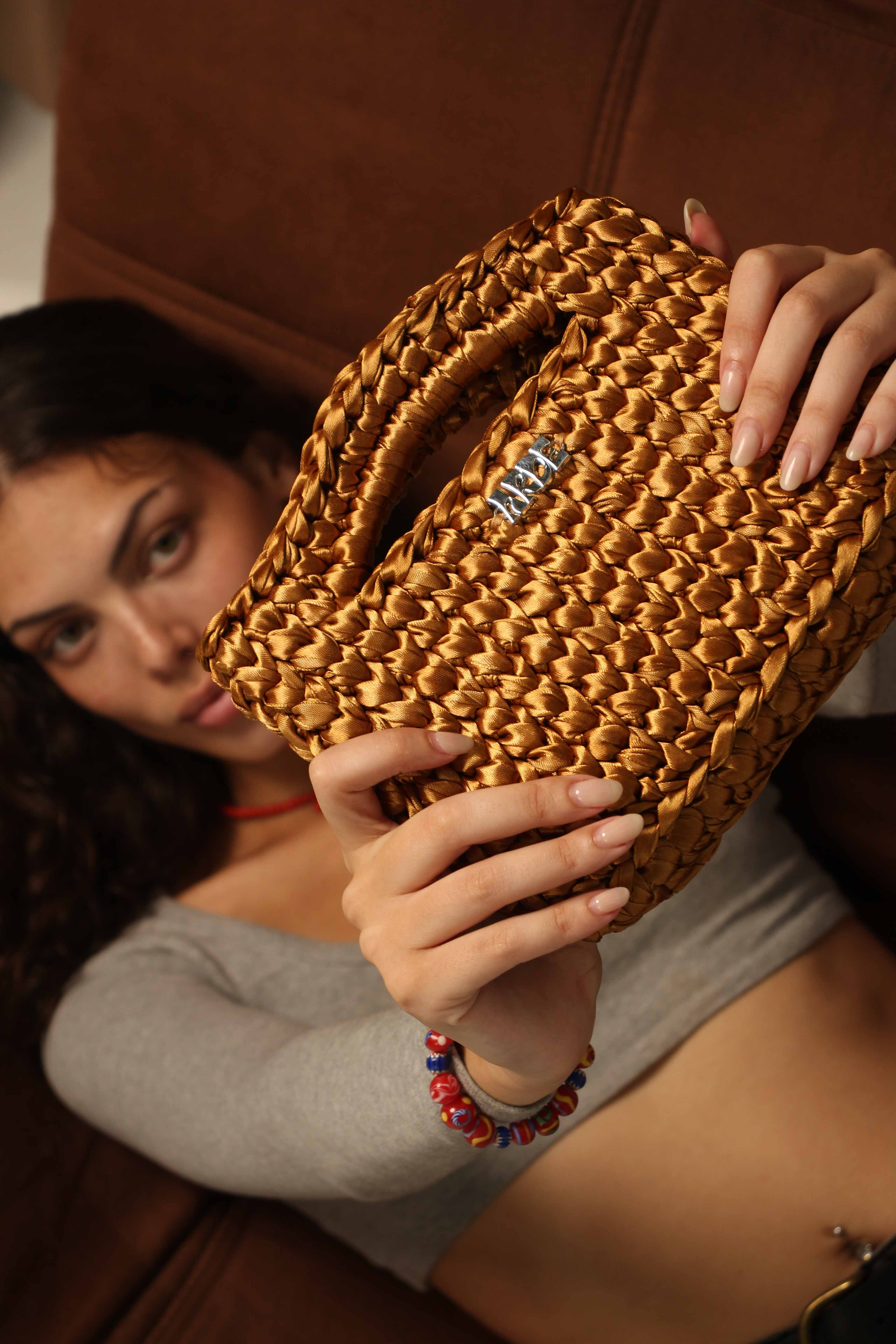
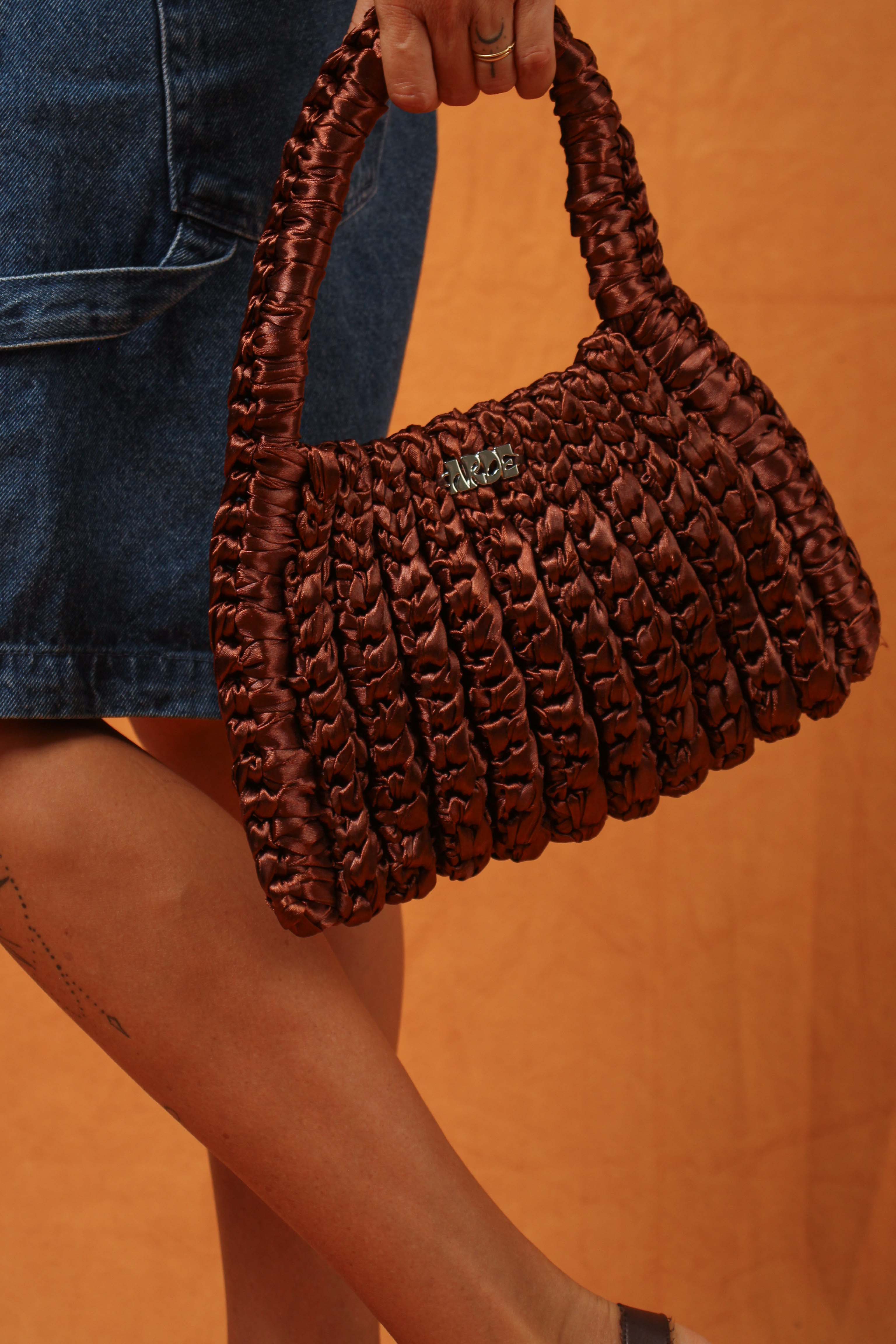
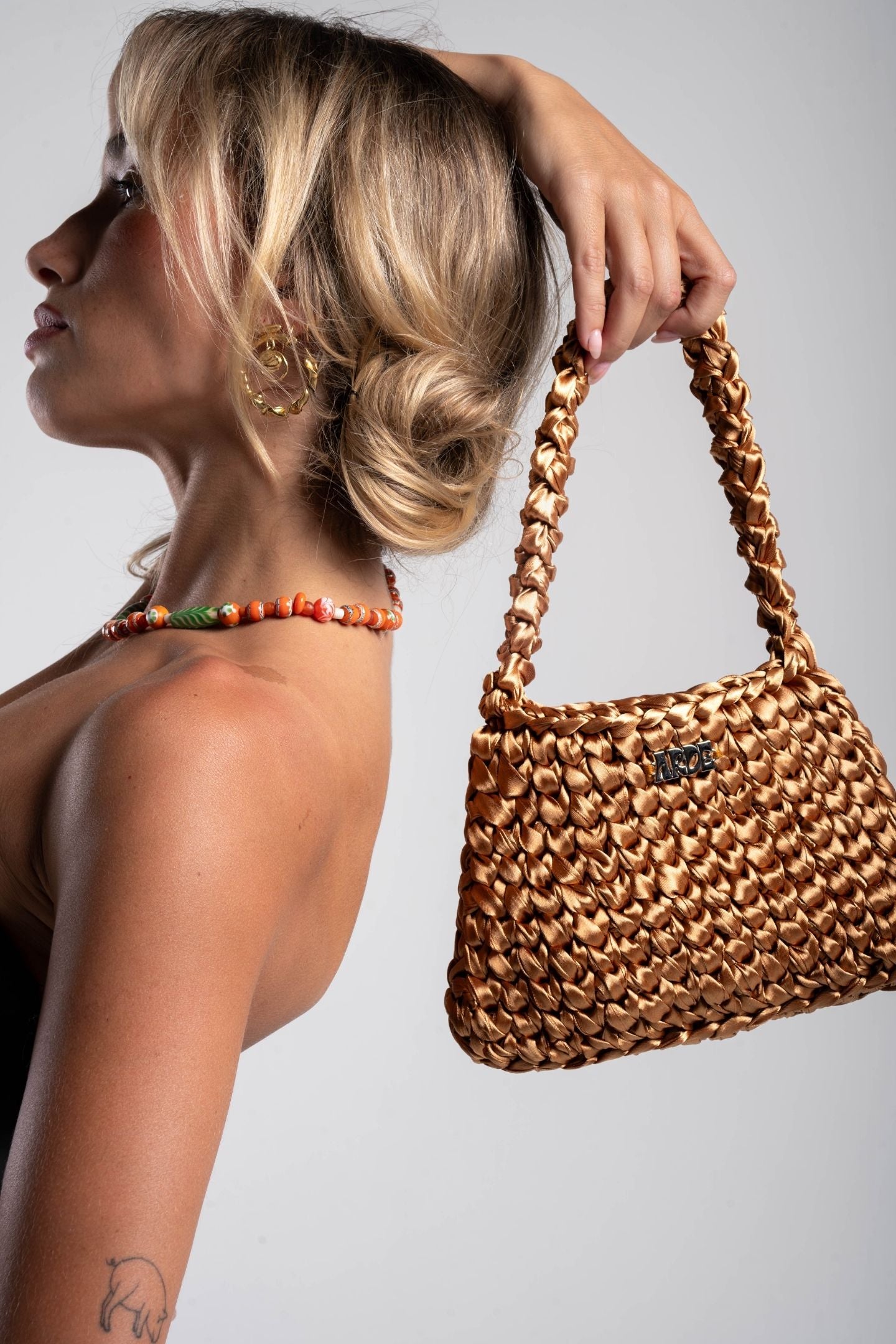
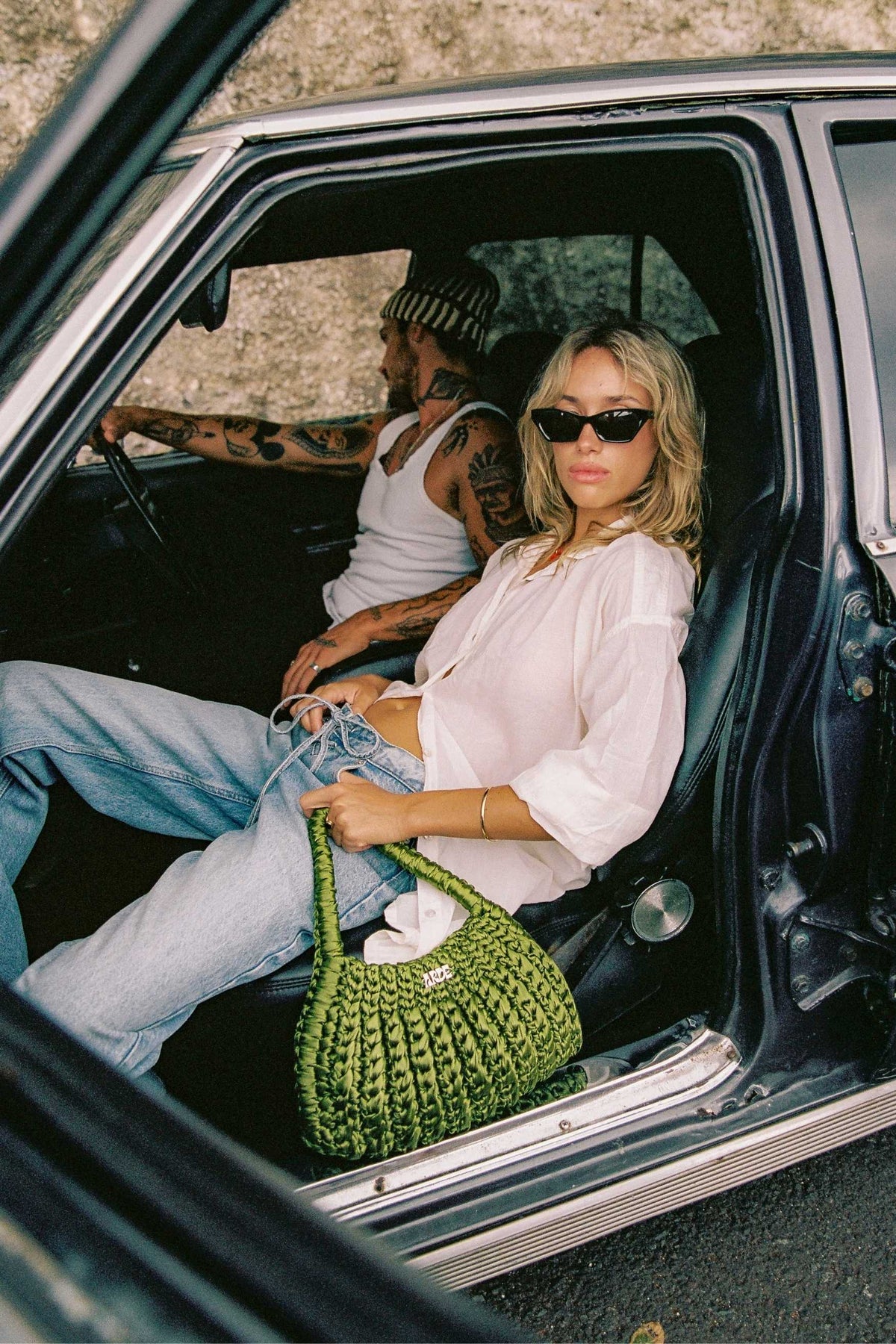
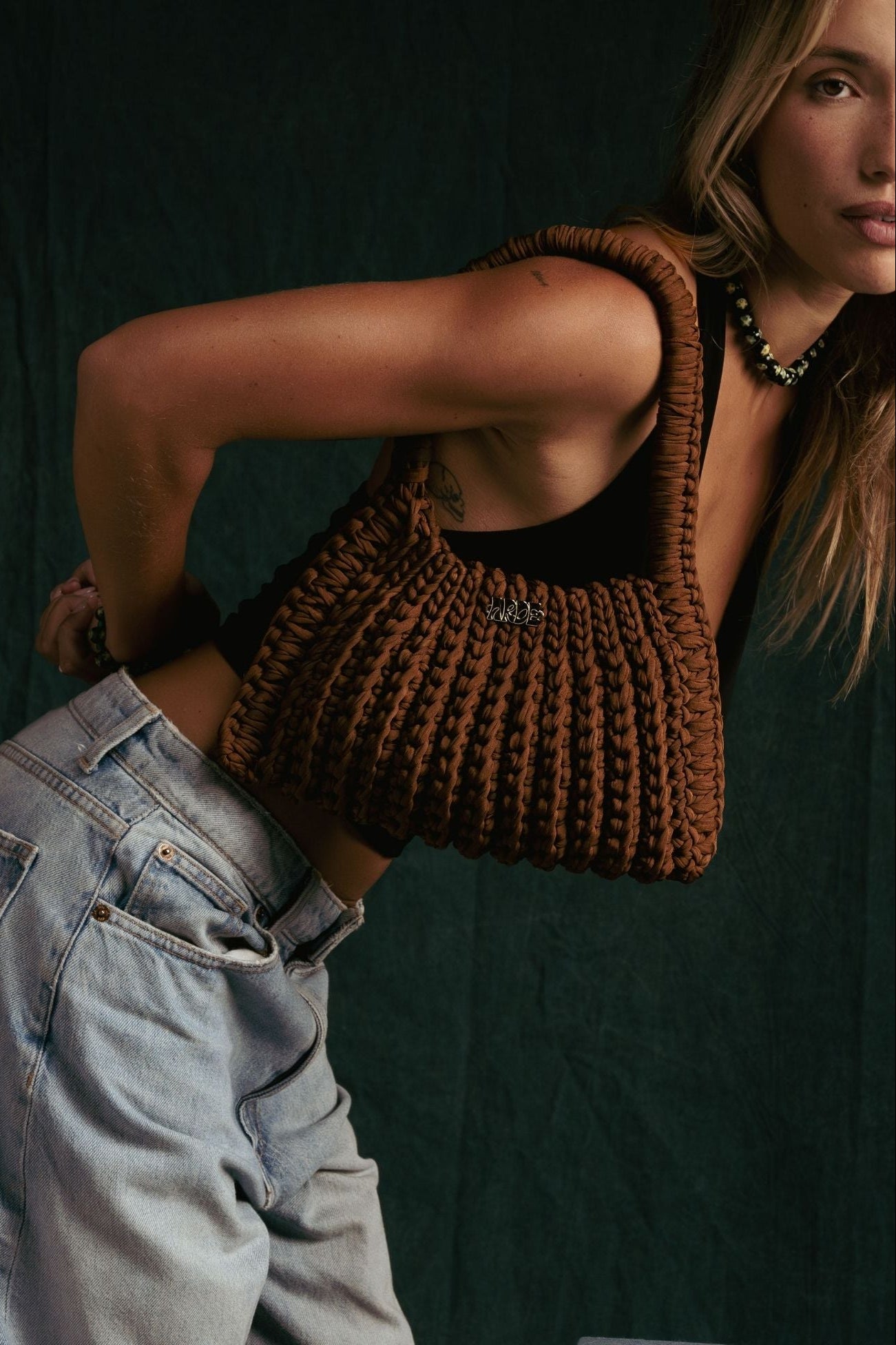
At ARDE, some of our bags are made using upcycled textile yarns created from leftover materials from textile production.
Instead of seeing these materials only as leftovers, we can look at them differently.
What else could they become?
A new colour.
A new texture.
A completely different object.
This is one of the reasons we find working with recovered textile materials so interesting.
The material already has a history.
We get to give it another one.

Why handmade fashion asks us to slow down
Buying a handmade bag is different from buying something designed to be replaced every few months.
It encourages another kind of relationship with fashion.
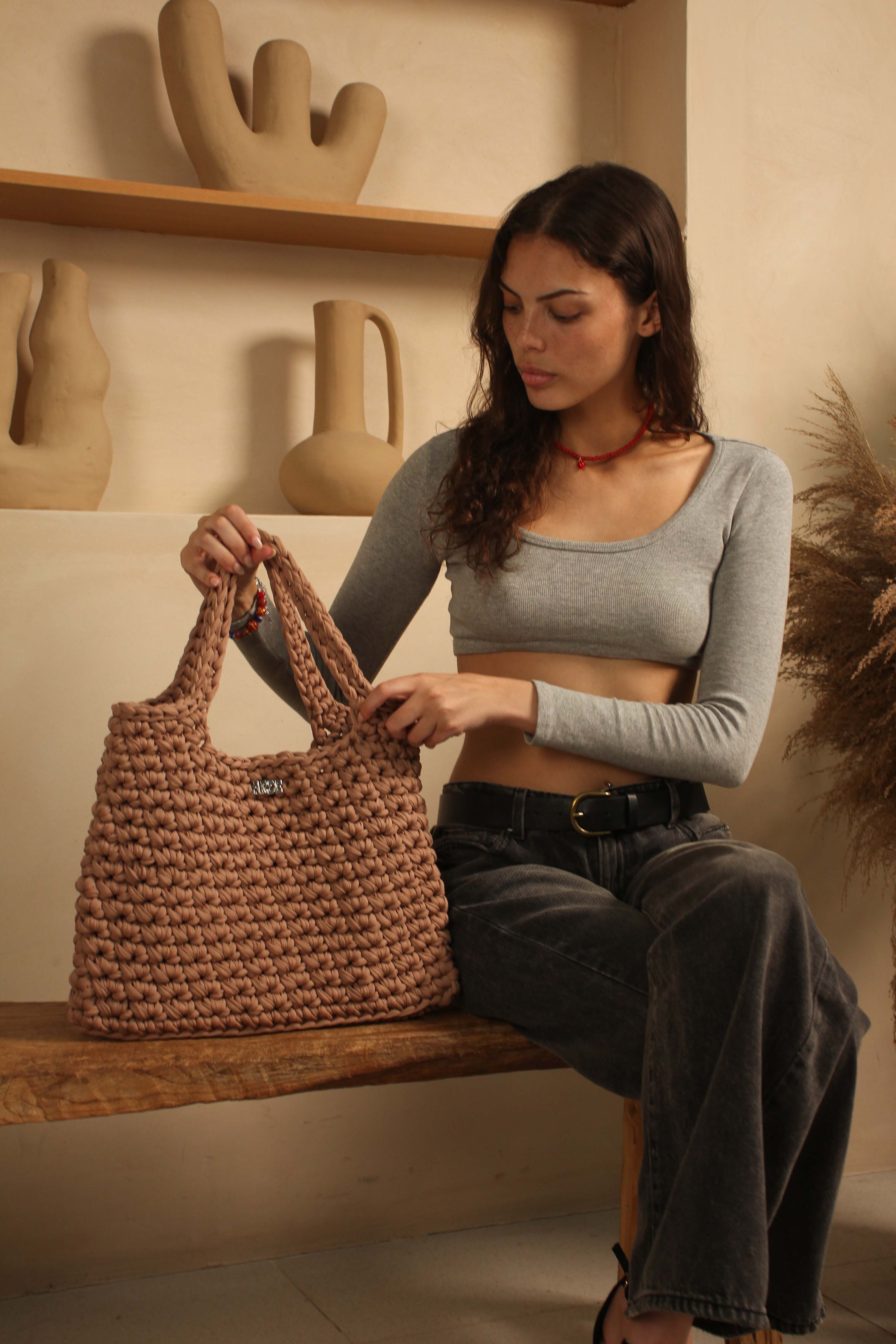
You notice the material.
You notice the details.
You understand that someone spent time making it.
And perhaps you become a little more selective about what you bring into your wardrobe.
This doesn't mean buying nothing.
It doesn't mean turning fashion into a moral exercise.
And it certainly doesn't mean that every object you own needs to be handmade.
It simply means recognising that speed doesn't have to be the default.

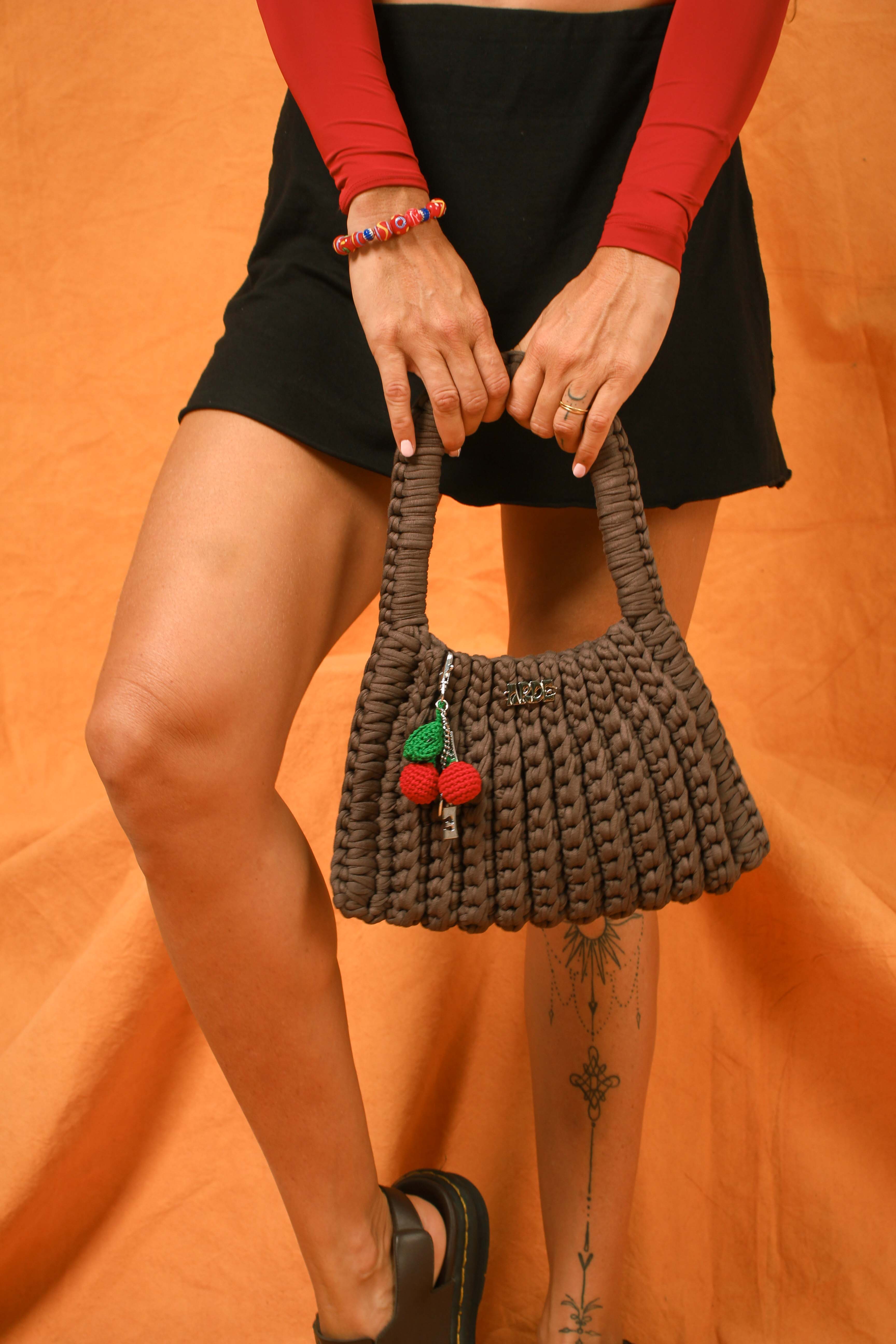
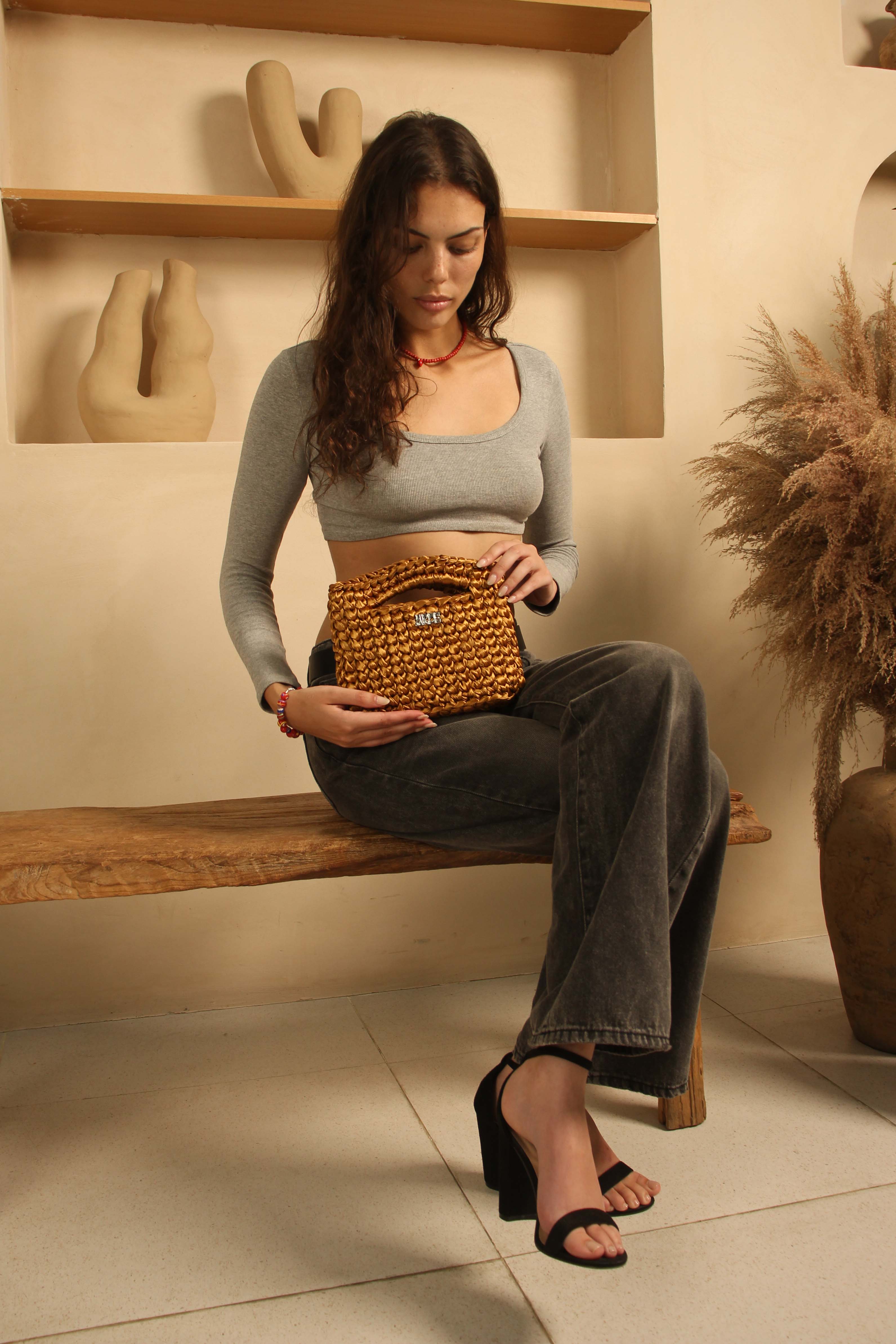
A handmade bag is made for a life, not just a photograph
Fashion can sometimes become strangely disconnected from real life.
An object looks beautiful in a campaign.
Beautiful on a moodboard.
Beautiful on a screen.
But what happens when you actually use it?
Can you carry it comfortably?
Does it fit into your day?
Does it work with the clothes you already own?
Do you want to reach for it again tomorrow?
For us, this matters.
A bag should not need to live on a shelf to remain beautiful.
It should be taken outside.
It should get used.
It should travel.
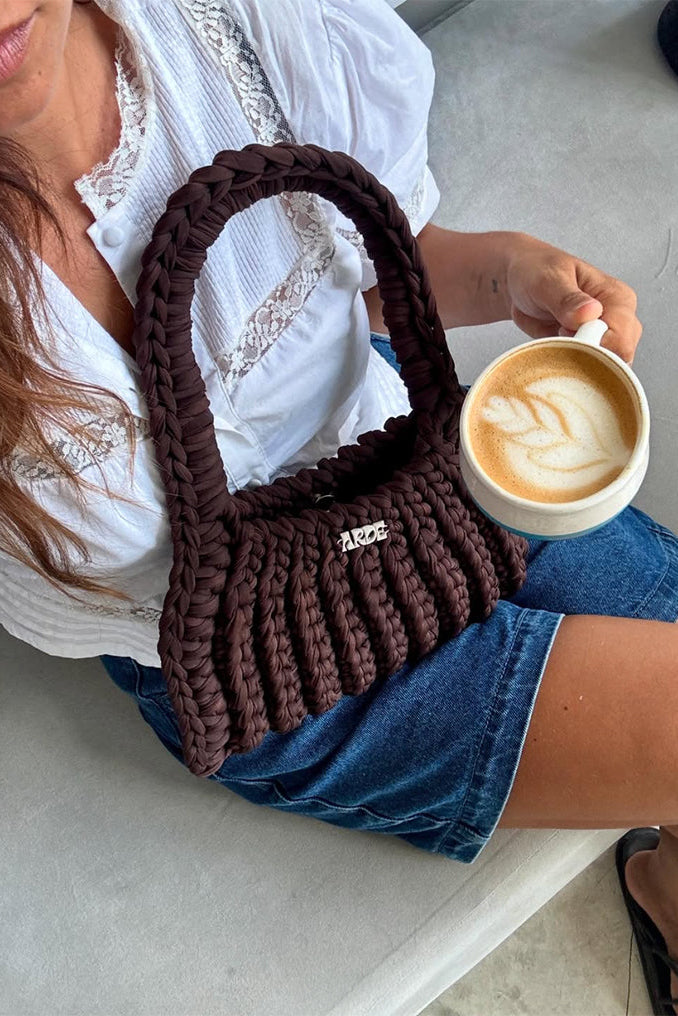
It should become part of your everyday routines.
Maybe it will eventually show signs of that life.
That's okay.
Beautiful things are meant to be used.

What should you look for when buying a handmade bag?
If you're considering buying a handmade bag, look beyond the word handmade.
Ask a few simple questions.
Who made it?
Is there a real person, studio or community behind the product?
What technique was used?
Understanding how something is made can tell you a lot about the time and skill involved.
What materials were used?
Look beyond vague claims and find out what the material actually is.
How long does it take to make?
Time isn't everything, but it can help you understand the process behind the price.
Is it made in small batches?
Small-batch production can tell you something about how the brand approaches manufacturing.
Will you actually use it?
Perhaps the most important question of all.
A beautiful bag that you never carry isn't necessarily a better choice than one that becomes part of your everyday life.

Why handmade bags cost more than mass-produced bags
This is one of the most common questions about handmade fashion.
The answer is relatively simple:
you are not only paying for the material.
You're paying for the time required to transform that material into the finished object.
You're paying for the skill developed through years of practice.
You're paying for the person doing the work.
You're paying for smaller production runs, where the efficiencies of enormous factories aren't available.
And you're paying for an object that couldn't simply be reproduced thousands of times at the same speed.
This doesn't mean every handmade bag is worth its price.
Craftsmanship still needs to be good.
Materials still matter.
Design still matters.
But understanding the process changes the question from:
Why is this bag so expensive?
to:
What actually went into making it?

The real luxury might be time
We often associate luxury with expensive materials.
But perhaps one of the rarest resources today is something much simpler.
Time.
Time to learn a craft.
Time to make something carefully.
Time to choose materials.
Time to create without rushing.
Time to use something long enough for it to become yours.
In a world built around speed, making something slowly can feel almost radical.
Not because slow is automatically better.
But because it asks us to pay attention.
And sometimes, paying attention is where value begins.

At ARDE, we want you to see the hands behind the bag
Every ARDE bag begins long before the moment you see it online.
There is the material.
The colour.
The design.
The hands.
The making.
The finishing.
And all the small decisions in between.
We don't want to hide that process.
We want you to know that there are people behind the pieces you carry.
Because when you know how something was made, you look at it differently.
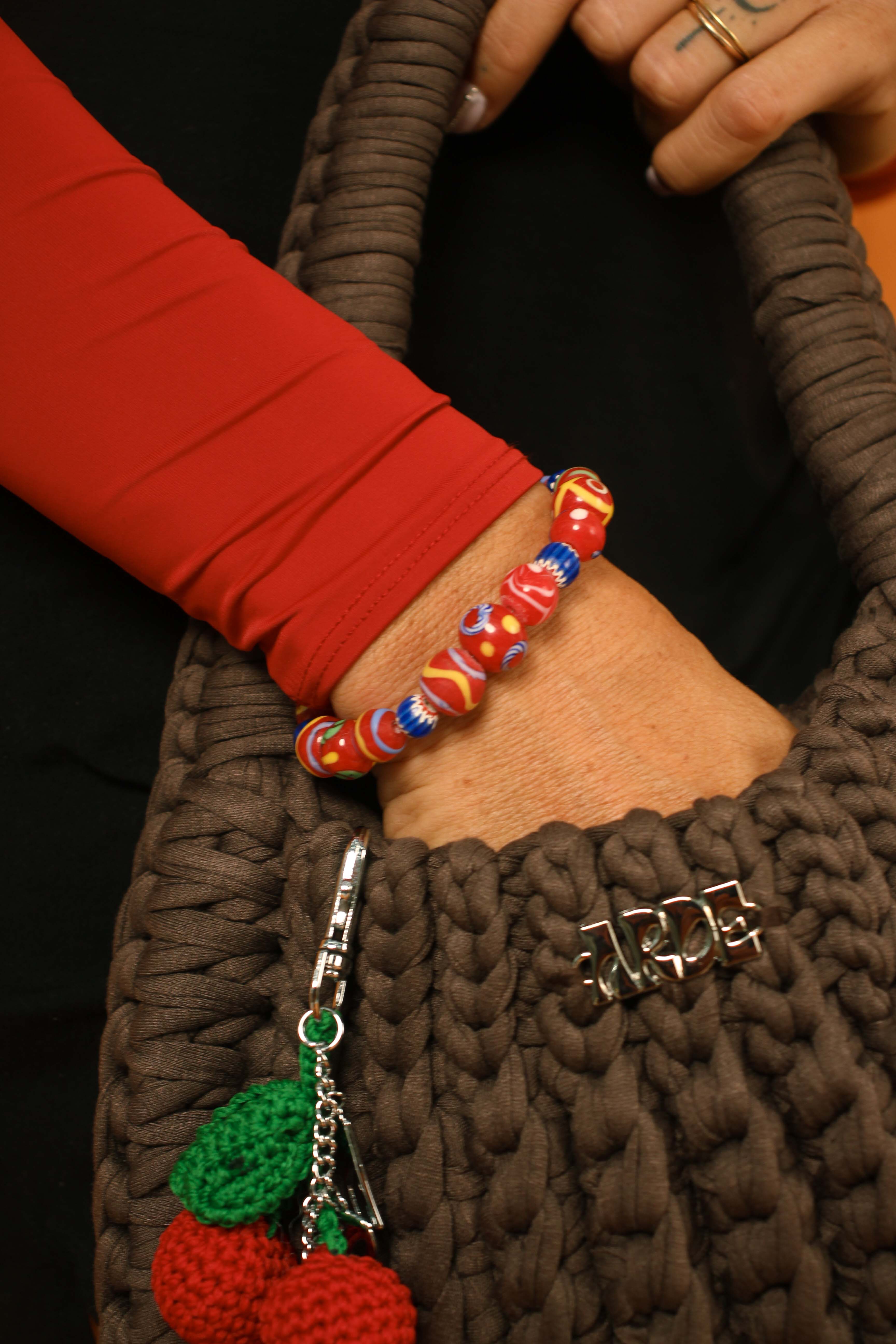
You notice the texture.
You appreciate the time.
And perhaps you carry it a little differently too.
Not as something precious that should never be touched.
But as something worth taking with you.
To work.
To dinner.
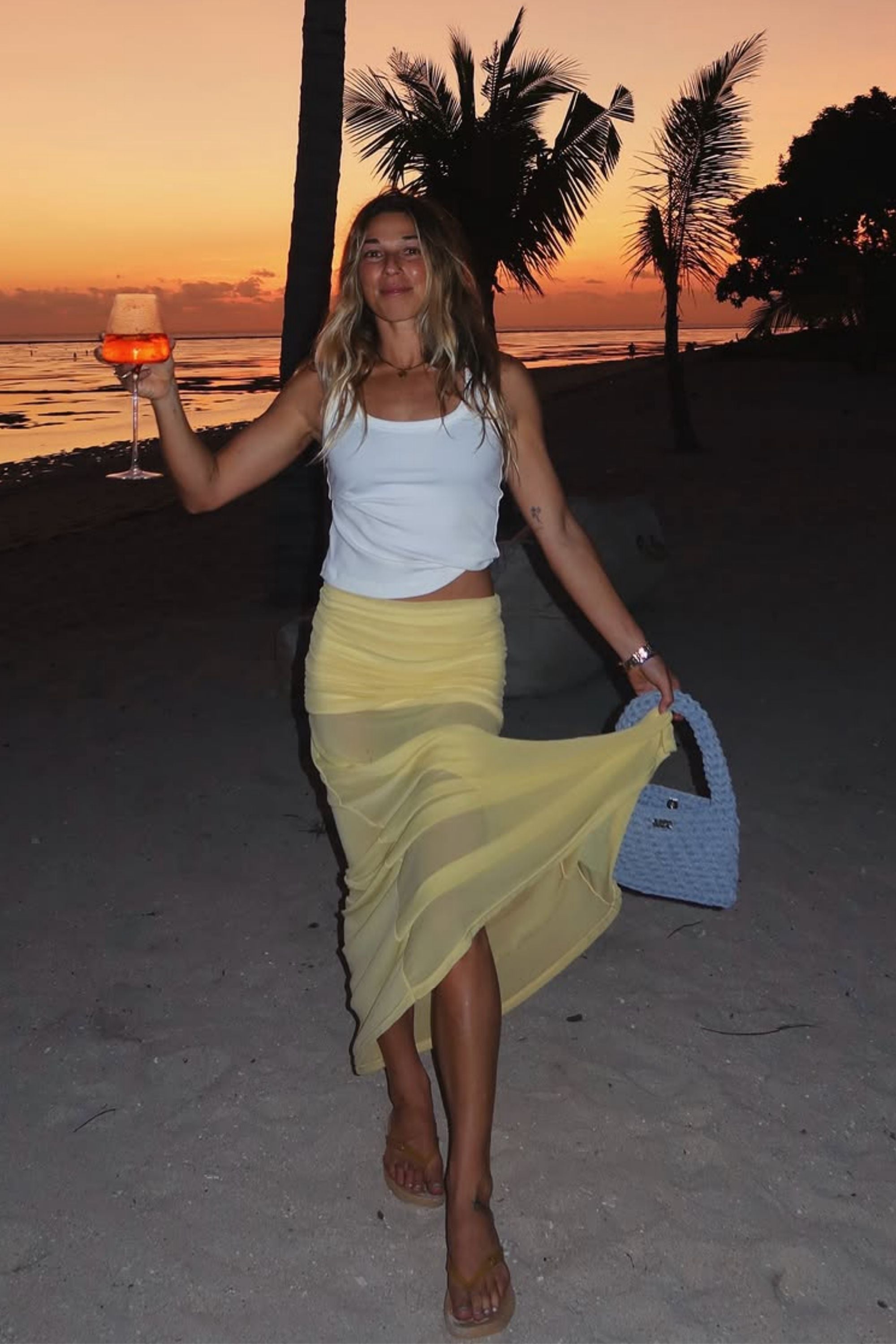
To the beach.
On the next flight.
Into whatever comes next.

Handmade fashion isn't about going backwards
Slow fashion is sometimes presented as a return to the past.
But handmade fashion doesn't have to reject modern life.
A crochet bag can be contemporary.
A small independent brand can be digitally native.
Upcycled materials can become unexpected colours and shapes.
Traditional techniques can exist alongside modern design.
The point isn't to go backwards.
It's to choose what deserves to move forward.
Perhaps the future of fashion isn't entirely handmade.
And it doesn't need to be.
But there is something worth protecting in a world where everything can be made faster:
the value of things that take time.

Frequently Asked Questions
How long does it take to make a handmade bag?
The time varies depending on the design, size, technique and materials. Crochet and woven bags can require several hours of concentrated handwork, while more intricate designs may take considerably longer.
Why are handmade bags more expensive?
Handmade bags typically involve more direct labour, smaller production quantities and specialised craftsmanship than mass-produced bags. Their price reflects not only materials but also the time and skill involved in creating them.
Are handmade bags better than mass-produced bags?
Not automatically. Handmade and mass-produced bags are made through different processes. Handmade bags can offer greater individuality and a closer connection to craftsmanship, while mass production can provide consistency and accessibility.
What makes a crochet bag handmade?
A crochet bag is handmade when the crochet construction is created by hand rather than produced through an automated industrial process. The exact techniques and amount of handwork vary between makers and designs.
Are handmade bags sustainable?
Handmade production does not automatically make a bag sustainable. Sustainability depends on several factors, including materials, production methods, durability, waste and how the product is used over time.
What is small-batch fashion?
Small-batch fashion refers to producing relatively limited quantities of garments or accessories rather than manufacturing very large volumes. It can allow brands to produce more deliberately and reduce the pressure to create constant large-scale collections.

The things worth making slowly
Perhaps we don't need everything to take longer.
We need technology.
We need efficiency.
We need things that make life easier.
But there are also things that benefit from resisting speed.
A meal.
A conversation.
A piece of music.
A garment.
A bag.
Something made by hand carries a small reminder that not everything valuable needs to happen quickly.
And maybe that's the real reason handmade bags take longer.
Because sometimes,
the time is the point.

Carry something made with time.
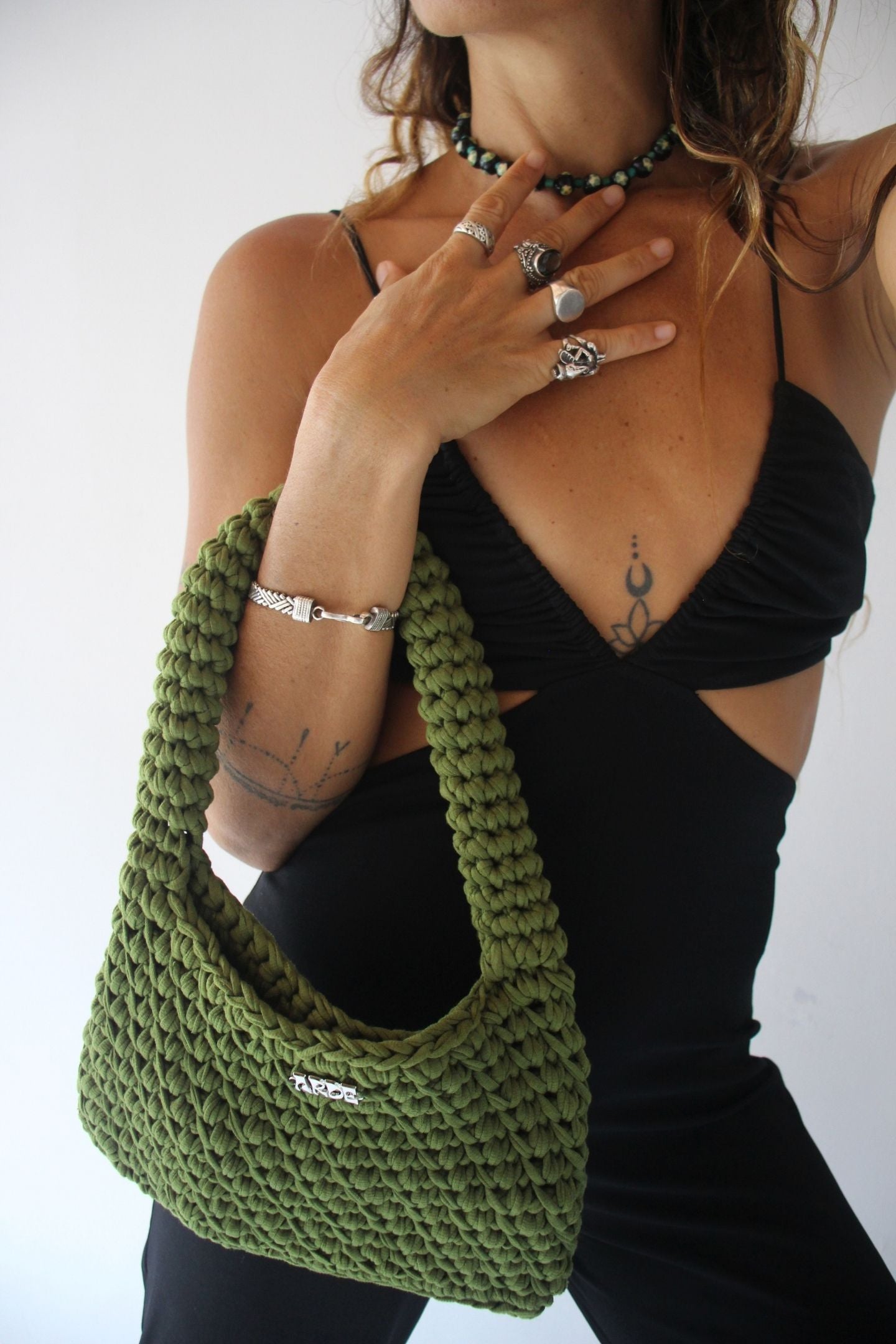
Discover ARDE's handmade bags, created in small batches from considered materials and designed to be part of your everyday life.