What Is Slow Fashion? A More Human Approach to What We Wear
What is slow fashion?
Slow fashion is an approach to fashion that puts more thought into how things are designed, made, bought and used.
Instead of constantly responding to new trends and producing as much as possible, slow fashion places greater value on craftsmanship, longevity, considered production and a more personal relationship with what we wear.
It can mean buying fewer pieces.
It can mean choosing something handmade.
It can mean repairing something instead of replacing it.
It can mean buying vintage.
It can mean supporting an independent designer.
And sometimes, it simply means waiting long enough to decide whether you actually want something.
Slow fashion isn't about following a perfect set of rules.
It's about becoming more conscious of the process behind fashion.

Slow fashion vs fast fashion
The difference between slow fashion and fast fashion isn't simply the speed at which a product is made.
It is a different philosophy of consumption.
Fast fashion tends to prioritise:
- speed
- volume
- constant newness
- trend responsiveness
- low production costs
- frequent purchasing
Slow fashion tends to prioritise:
- thoughtful design
- craftsmanship
- longevity
- smaller production runs
- considered materials
- personal style
- more intentional consumption
Neither approach is simply about whether something looks good.
The difference begins much earlier — with the question of why and how something is made.

Why did fashion become so fast?
Fashion has always changed.
What is different today is the speed at which those changes reach us.
A trend can appear on social media in the morning and become a product by the afternoon.
We are surrounded by new colours, silhouettes, aesthetics and microtrends constantly.
And because digital fashion moves so quickly, the amount of clothing and accessories available to us has grown enormously.
The result is a strange paradox.
We have more choice than ever.
Yet it can sometimes feel harder to develop a personal style.
When the next trend is always arriving, there is very little time to ask:
Do I actually like this?
Or:
Would I have chosen this if I hadn't seen it everywhere?
Slow fashion begins by creating space for those questions.

Slow fashion isn't about being less fashionable
This is worth saying.
Slow fashion does not mean dressing in plain clothes.
It doesn't mean giving up colour.
It doesn't mean avoiding trends completely.
And it certainly doesn't mean that fashion has to become serious or worthy.
Fashion is supposed to be fun.
It is expressive.
It can be playful, sensual, strange, colourful and completely unnecessary — and that's part of its beauty.
The difference is that slow fashion asks us to develop a relationship with fashion rather than simply consume it.
You can love fashion deeply and still want to buy more intentionally.
In fact, perhaps knowing what you truly love makes it easier to buy less.

Slow fashion starts with design
A genuinely considered fashion piece begins before production.
It starts with a question:
Why does this need to exist?
A good design doesn't necessarily need to be complicated.
Sometimes the most useful objects are remarkably simple.
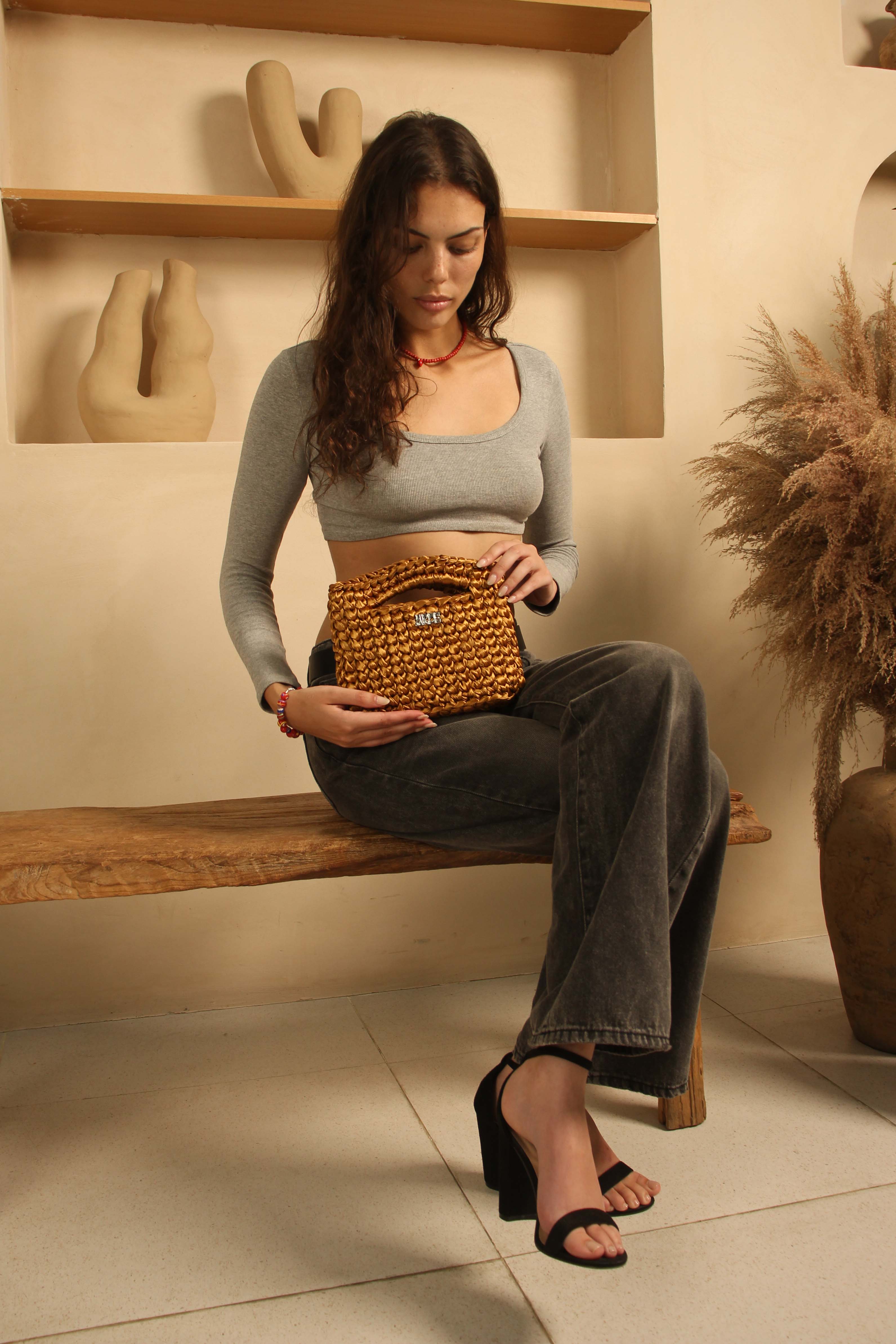
A bag that fits what you carry every day.
A shape that works with the clothes already in your wardrobe.
A colour you keep returning to.
A piece that feels interesting without becoming difficult to wear.
This is one of the things we love about accessories.
A bag can completely change the feeling of an outfit without asking you to replace the entire wardrobe.
It can become a constant rather than another passing trend.

Handmade fashion and slow fashion
Handmade fashion and slow fashion aren't exactly the same thing.
A product can be handmade without being particularly thoughtful.
And a product can be produced industrially while still being designed with longevity and care in mind.
But the two approaches often overlap.
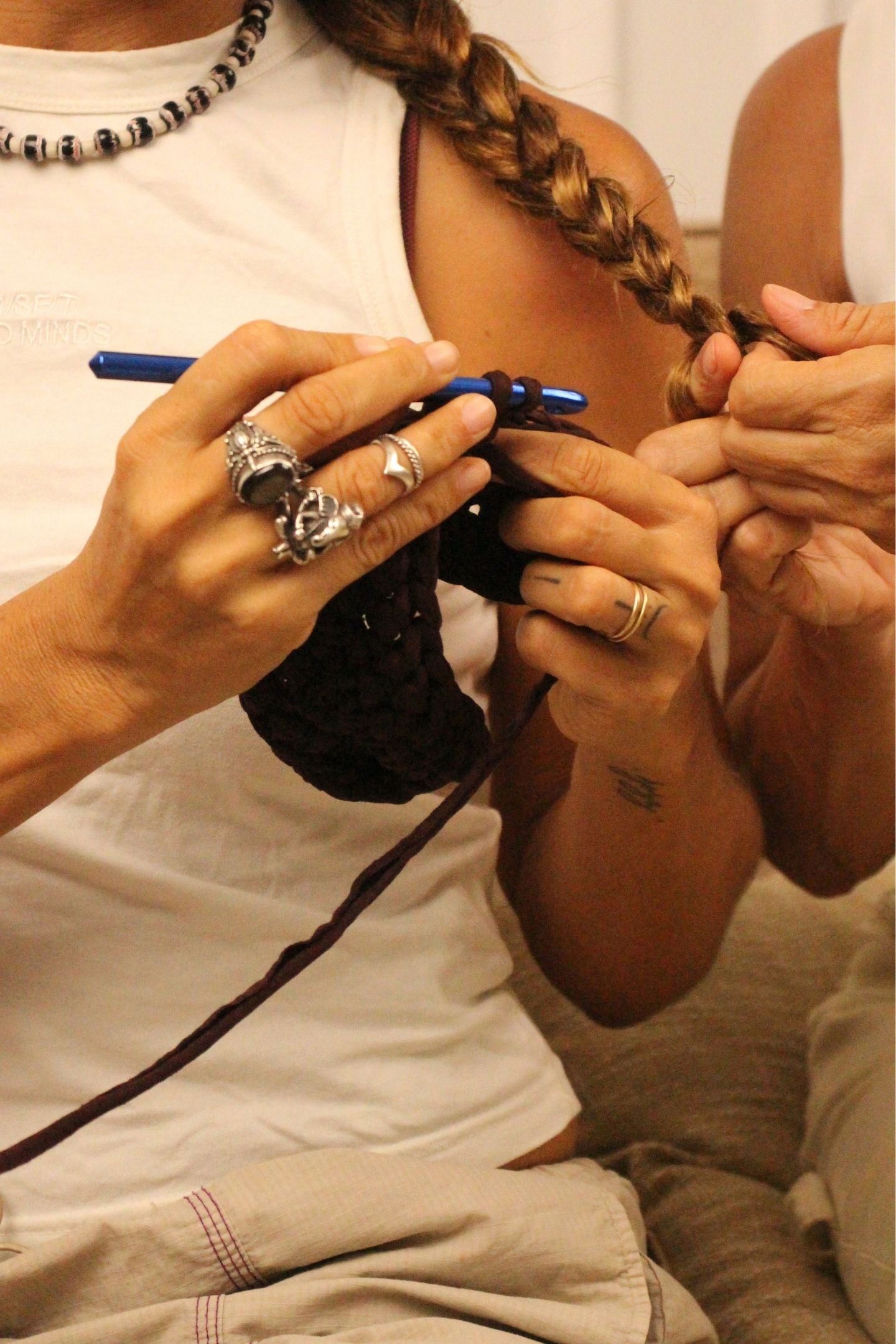
Handmade production naturally introduces time into the process.
A person has to make the piece.
That limits volume.
It makes endless production more difficult.
And it creates a closer connection between the maker, material and final object.
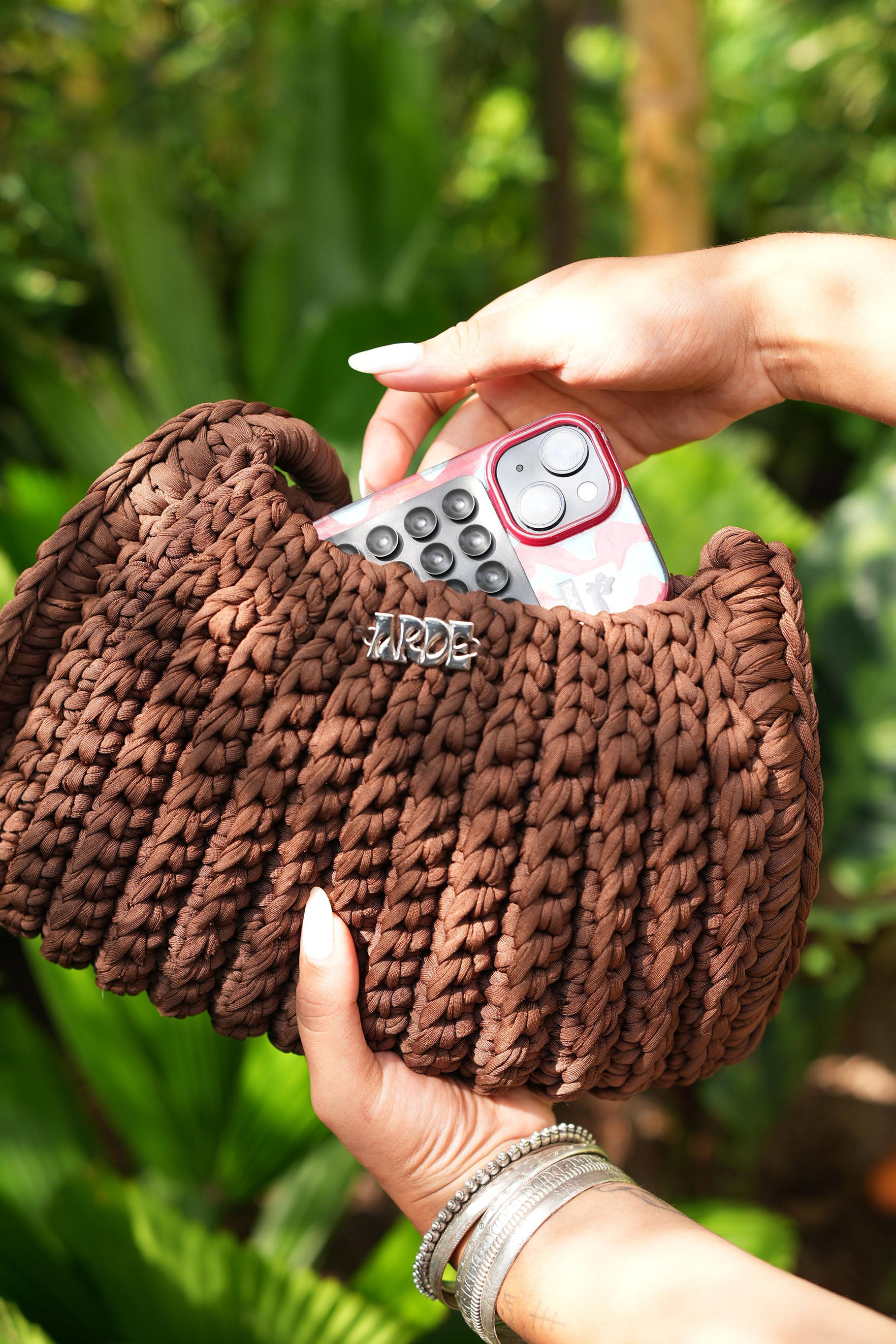
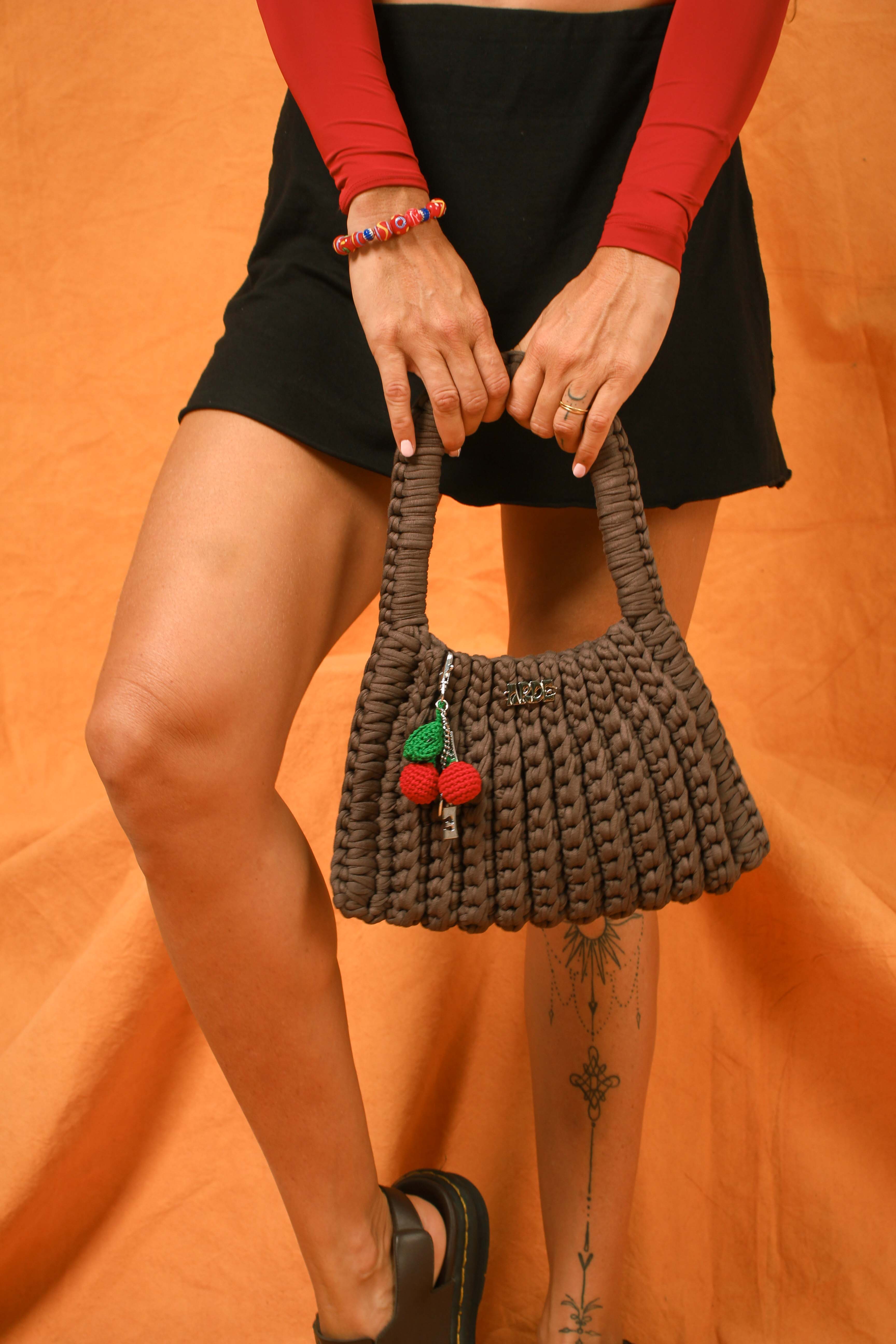
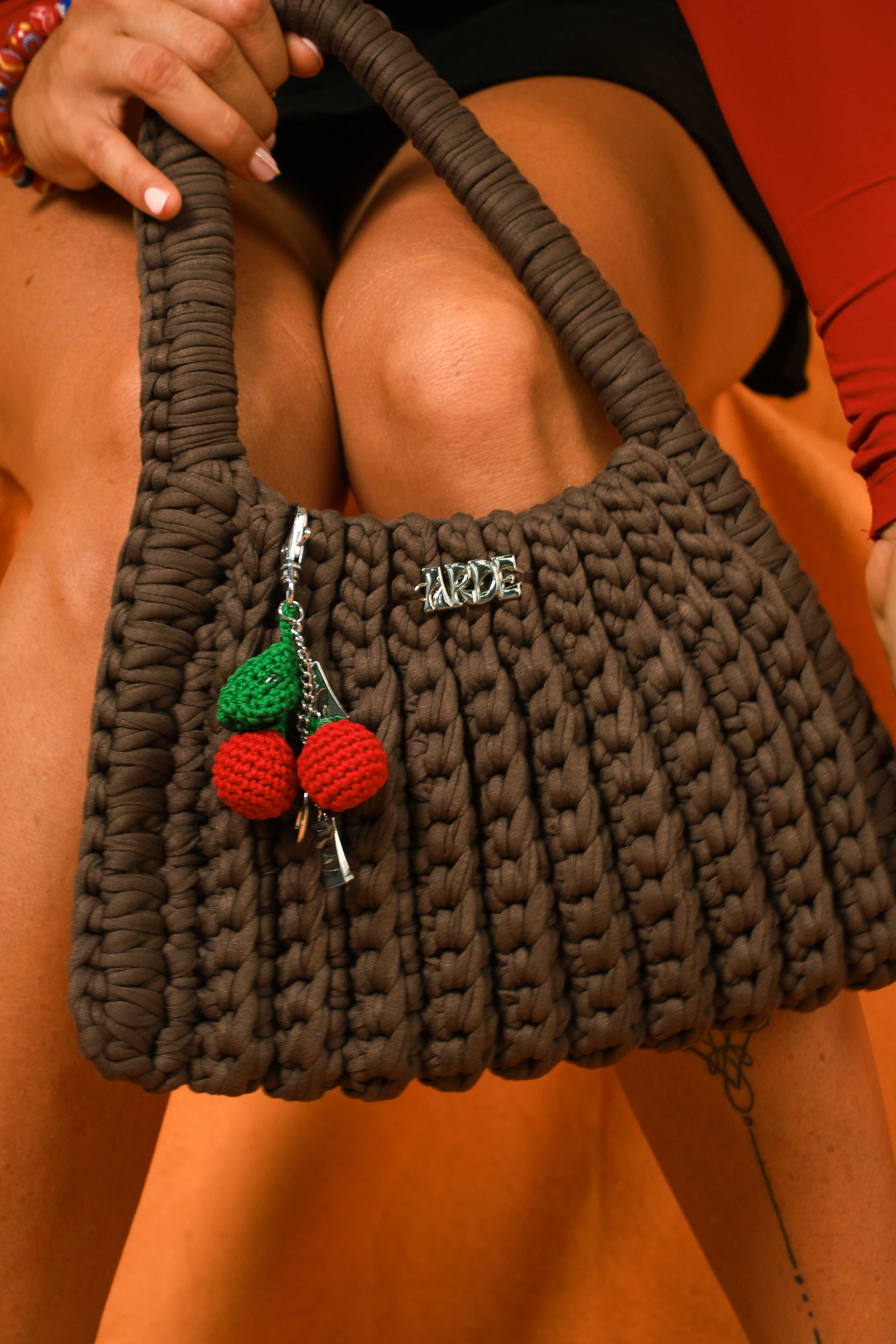
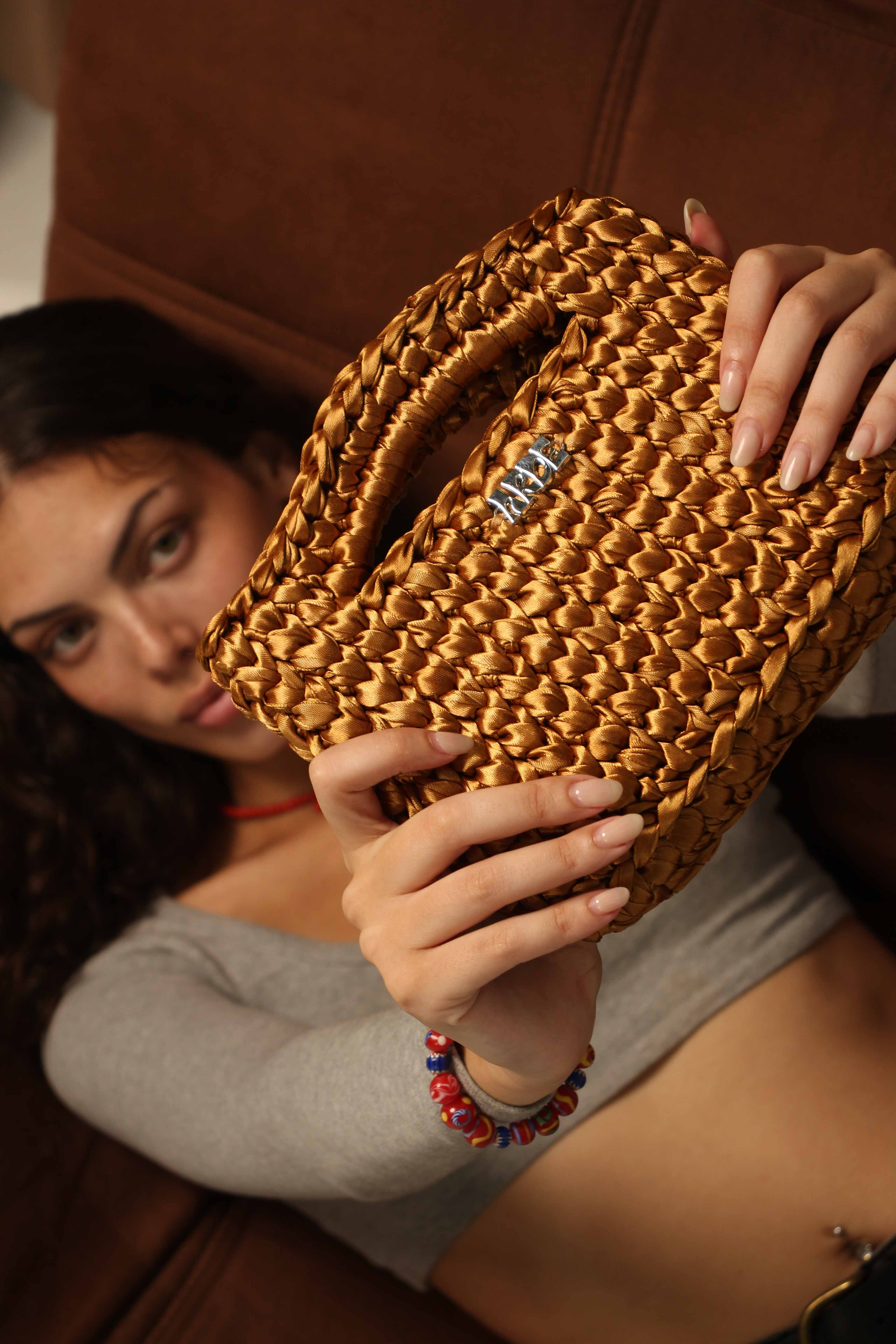
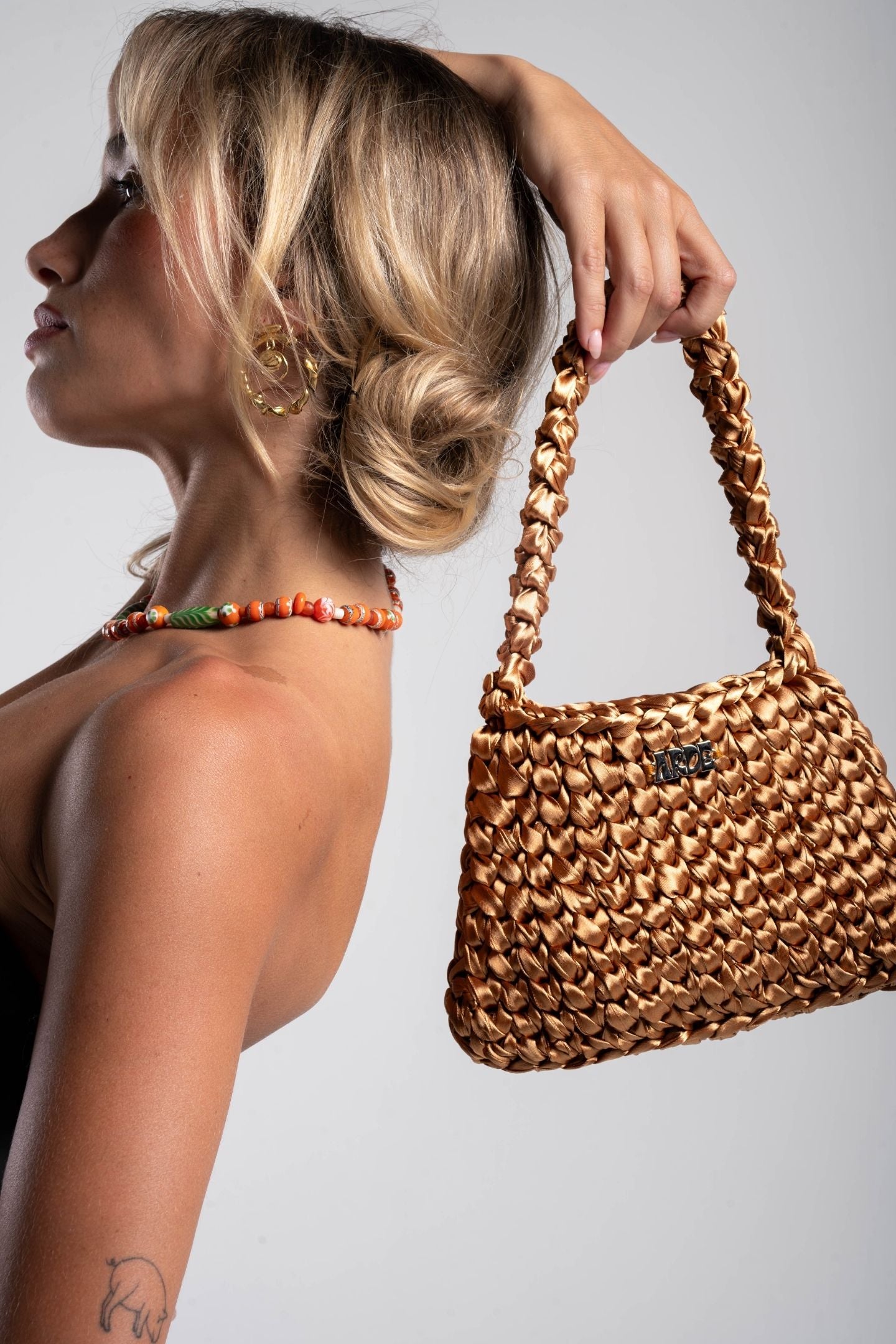
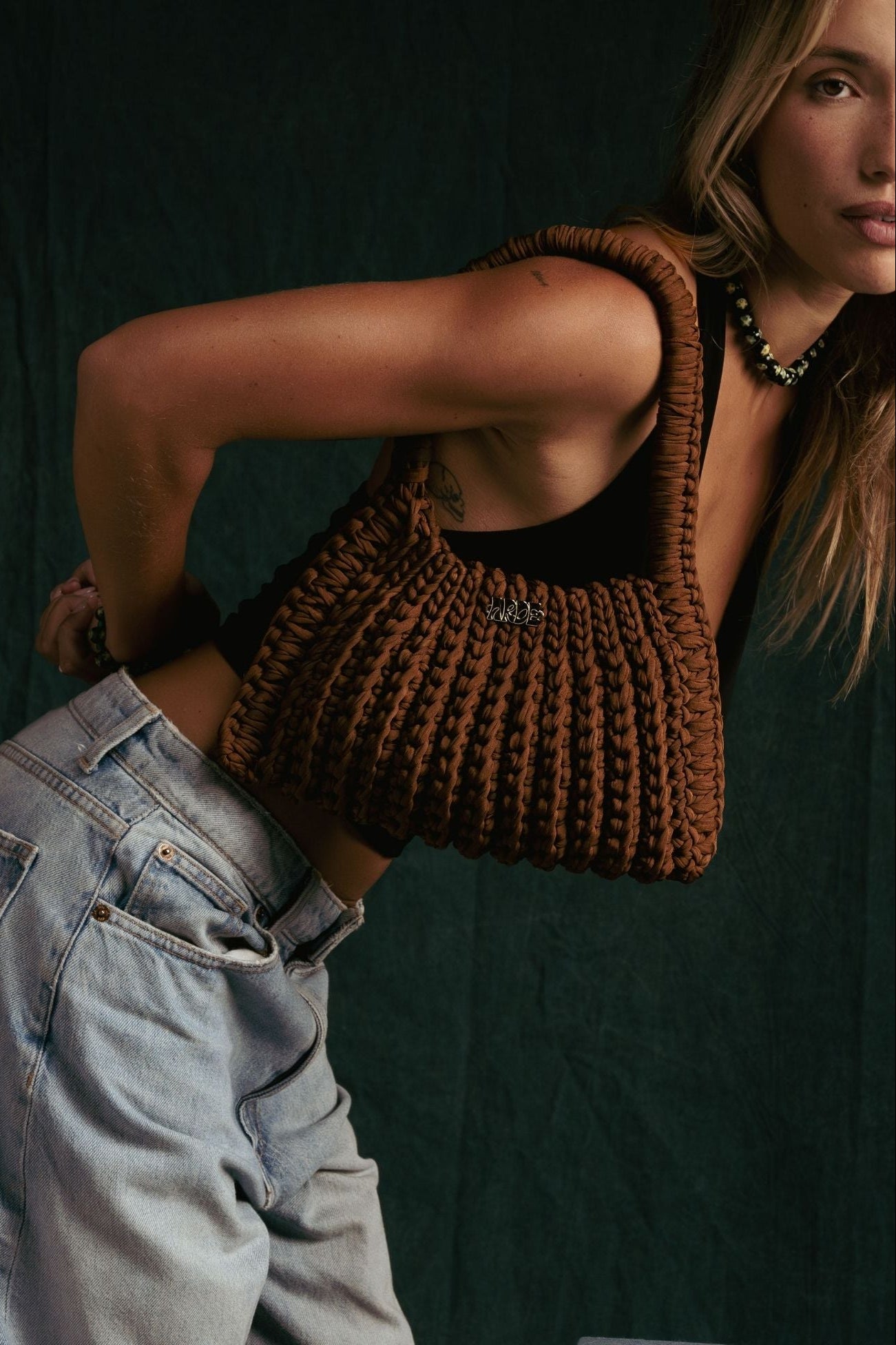
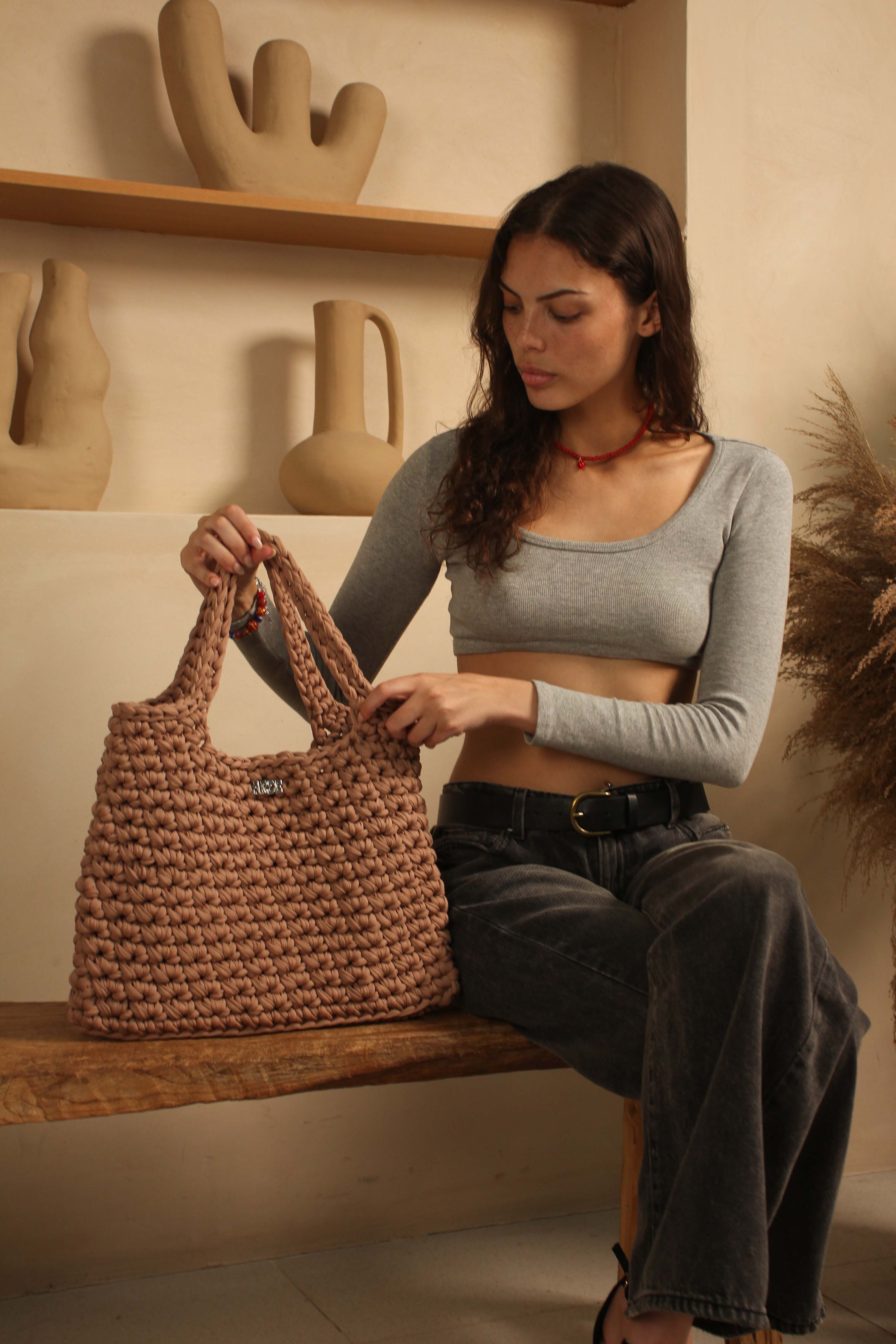
For a handmade crochet bag, for example, the finished piece can contain hours of repetitive handwork.
That time becomes part of the story.
It also changes the way we understand the price.
We are not only buying a material.
We are buying the work that transformed it.

Why small-batch fashion matters
One of the simplest ways to understand small-batch fashion is to think about quantity.
Instead of producing thousands of pieces before knowing whether people want them, a small independent brand may work with much smaller quantities.
This can allow for:
- more considered production
- closer attention to individual pieces
- experimentation with colour
- smaller collections
- limited runs
- less pressure to constantly create new products
Small batches also change the relationship between a brand and its customers.
A collection can feel less like something being pushed into the world and more like something being made carefully and shared when it is ready.
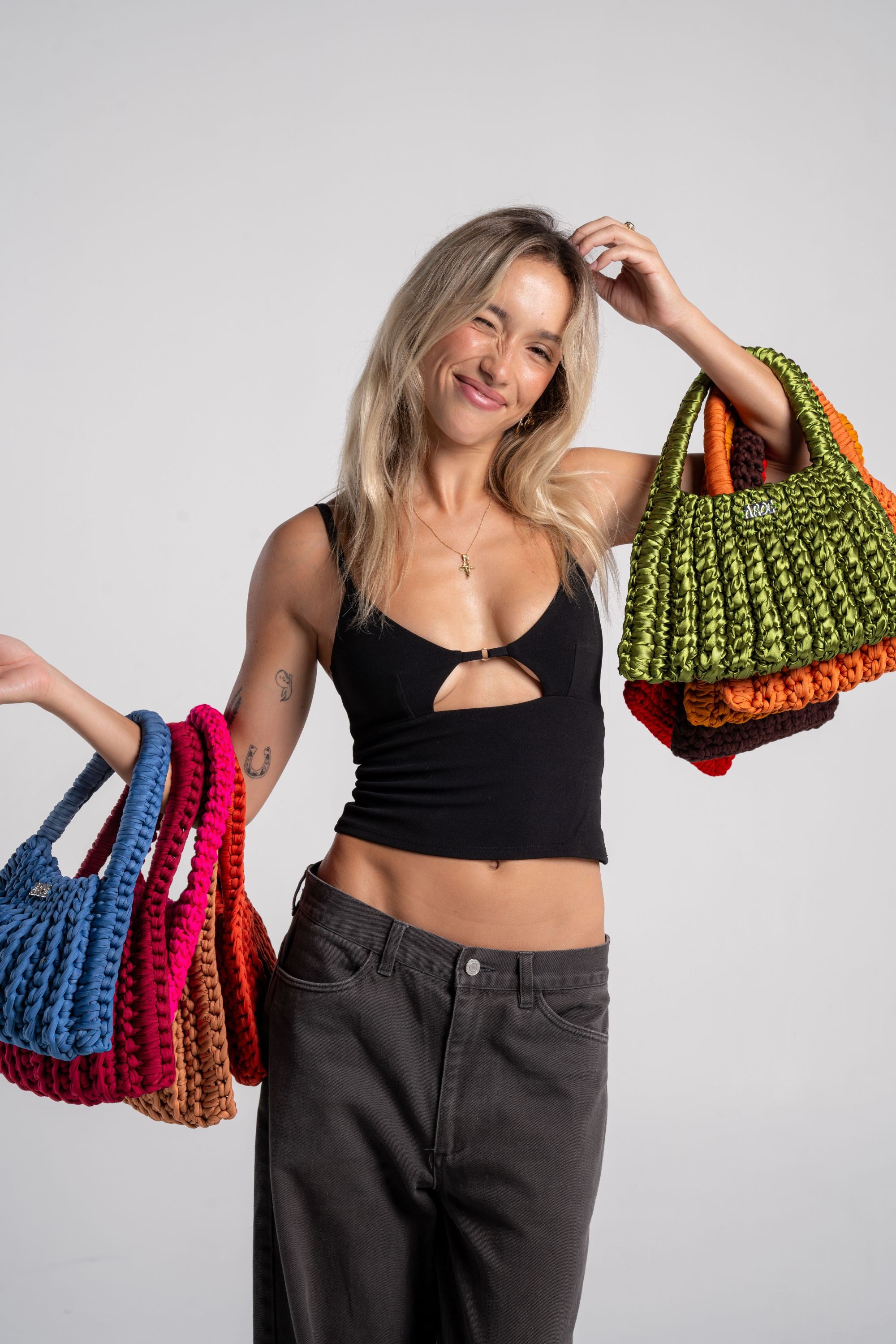
At ARDE, this is an important part of how we think about our pieces.
We don't need every colour to exist forever.
Some colours appear for a moment.
Some become favourites.
Some disappear.
And that's okay.

What does slow fashion mean for materials?
Materials are a major part of the slow fashion conversation.
But “natural” doesn't automatically mean sustainable.
And “recycled” doesn't automatically mean better in every context.
A more useful approach is to ask questions.
Where did the material come from?
How was it produced?
What would have happened to it otherwise?
How durable is it?
How will it behave over time?
Can it be used again?
At ARDE, we are particularly interested in materials that already have a story.
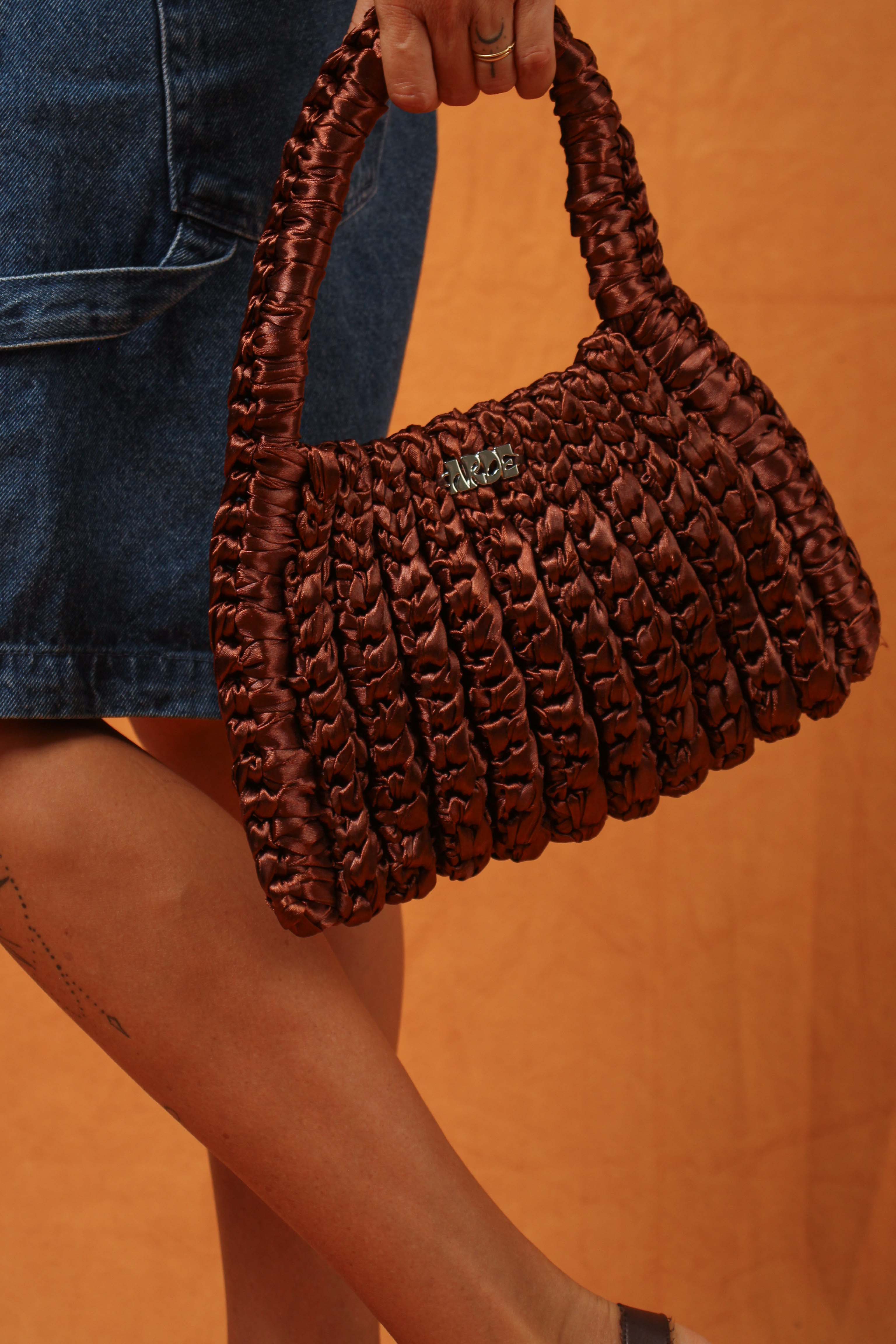
Some of our yarns come from textile production leftovers, including upcycled rayon, spandex and T-shirt yarns.
Instead of treating those materials as the end of their story, we use them to create something completely different.
A leftover becomes a colour.
A textile becomes a bag.
A material that might have been overlooked becomes something you want to carry.
That transformation is part of what makes the creative process exciting.

Slow fashion is also about what happens after you buy
It is easy to talk about responsible production.
But the other half of the story happens in your wardrobe.
What happens after the purchase?
Do you wear it?
Do you care for it?
Do you repair it?
Do you keep it?
Does it become part of your life?
A fashion piece can be made under very thoughtful conditions and still become waste if we don't actually use it.
This is why longevity isn't only a production question.
It is also a relationship question.
The most sustainable piece in your wardrobe is not necessarily the one with the most impressive label.
It may simply be the one you reach for again and again.
Buy less, but don't buy badly
“Buy less” is often presented as the answer to everything.
But buying fewer things isn't particularly useful if those things don't work for you.
A better question might be:
Can I buy more intentionally?
Before purchasing, ask:
Do I genuinely love it?
Not “is it nice?”
Not “is everyone wearing it?”
Do you actually want it?
Can I use it often?
A beautiful object that works with your real life has a much better chance of becoming a long-term favourite.
Does it work with what I already own?
Personal style is easier to build when new pieces have somewhere to belong.
Do I understand how it was made?
You don't need to know every detail, but transparency matters.
Would I still choose it without the trend?
This might be the most revealing question of all.

Slow fashion can be colourful, playful and personal
There is a misconception that conscious fashion needs to look a certain way.
Neutral.
Minimal.
Natural.
Beige.
But sustainability has no colour palette.
Neither does conscious consumption.
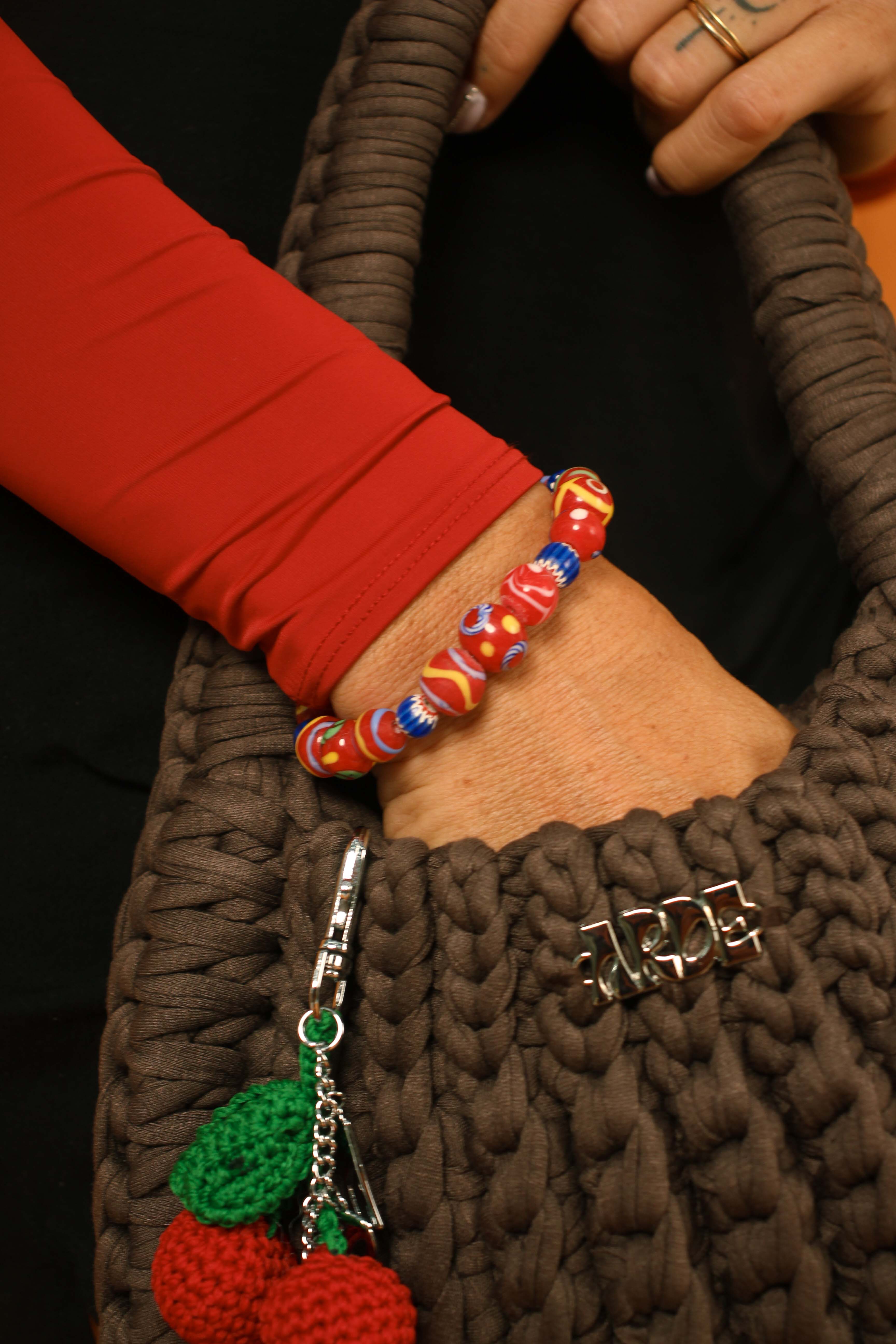
You can love bright red.
Electric blue.
Deep green.
Unexpected combinations.
A slightly ridiculous bag that makes you smile every time you pick it up.
Slow fashion isn't about making your wardrobe visually quieter.
It is about making your choices more personal.
And personal style is often much more interesting than following whatever happens to be trending.

The role of craftsmanship
Craftsmanship changes the way we look at an object.
Once you understand that a piece took hours to create, you begin to see those hours inside it.
The stitches.
The texture.
The shape.
The finish.
The small variations.
Craft doesn't have to be old-fashioned.
It can be contemporary.
It can use unexpected materials.
It can exist alongside modern design, digital commerce and global communities.
At its heart, craftsmanship simply means that someone cared enough to develop the skill required to make something well.
That is valuable in any era.

Slow fashion doesn't mean perfect fashion
This is perhaps the most important part.
There is no perfectly sustainable wardrobe.
No perfectly ethical purchase.
No completely impact-free product.
Trying to make every decision perfectly can make fashion feel like another source of pressure.
That isn't what slow fashion needs to be.
Instead, it can simply be a direction.
More questions.
More curiosity.
More awareness.
Fewer automatic purchases.
More things that genuinely earn their place in your life.
Sometimes that might mean buying handmade.
Sometimes it might mean buying second-hand.
Sometimes it might mean repairing what you already own.
And sometimes it might mean buying nothing at all.

Our version of slow fashion at ARDE
ARDE sits somewhere between fashion, craft and everyday life.
We make handmade bags and accessories in small batches, using materials that we find interesting and techniques that require time.
Some of our textile yarns are upcycled from production leftovers.
Our colours are chosen because we want them to feel alive, not because they need to fit neatly into a seasonal trend report.
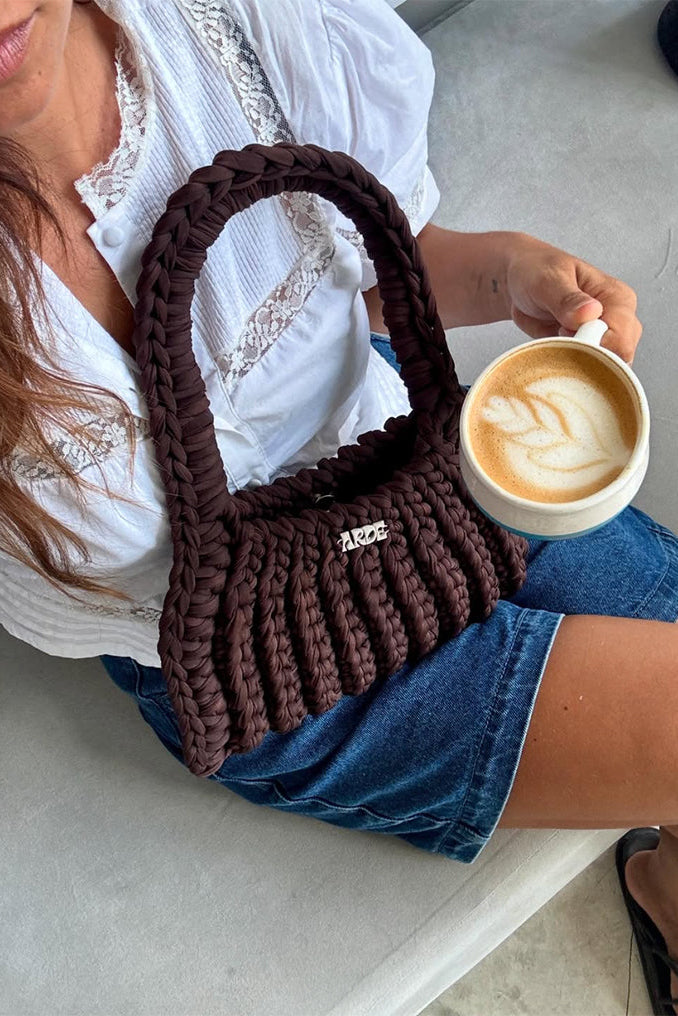
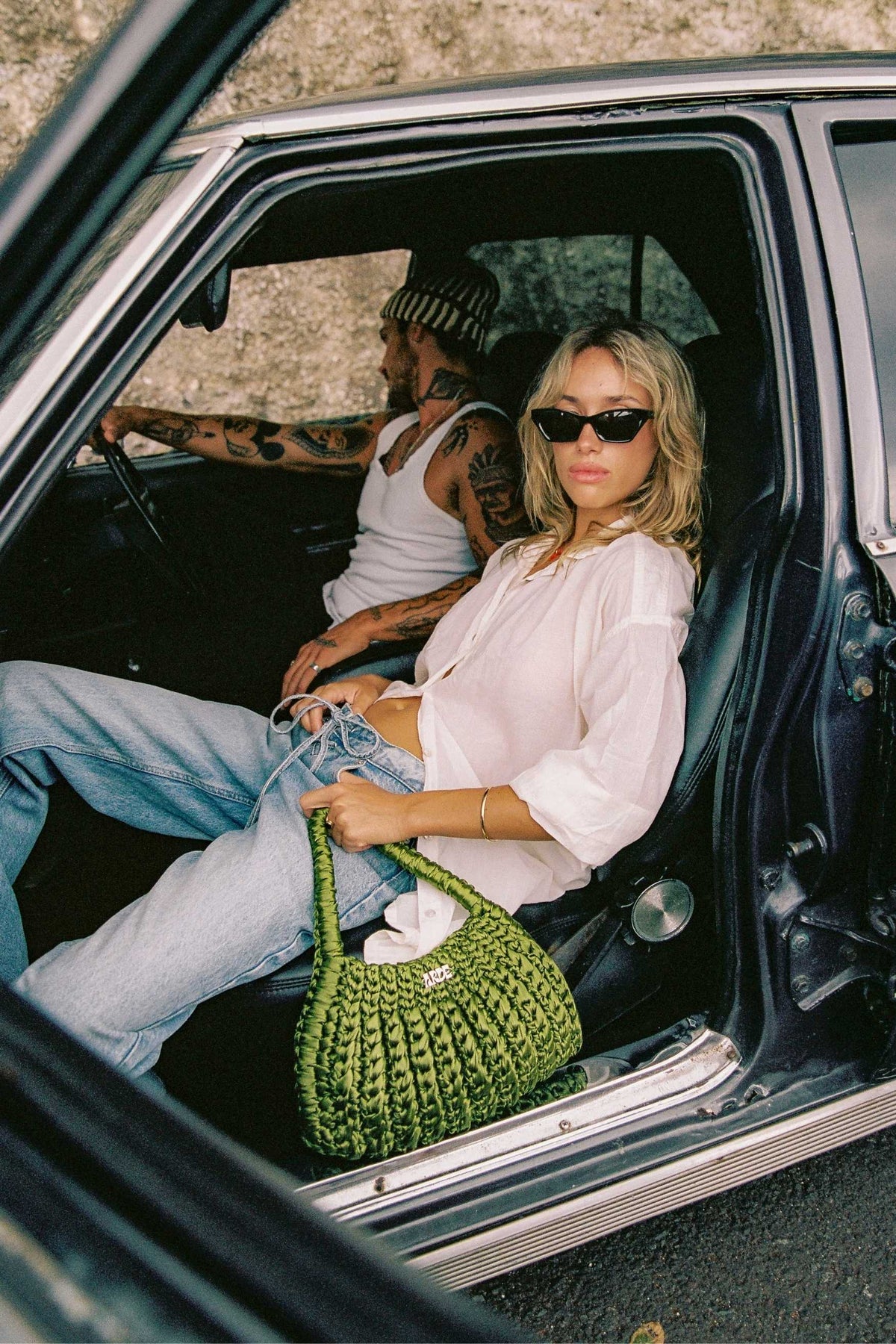
And our pieces are designed to be used.
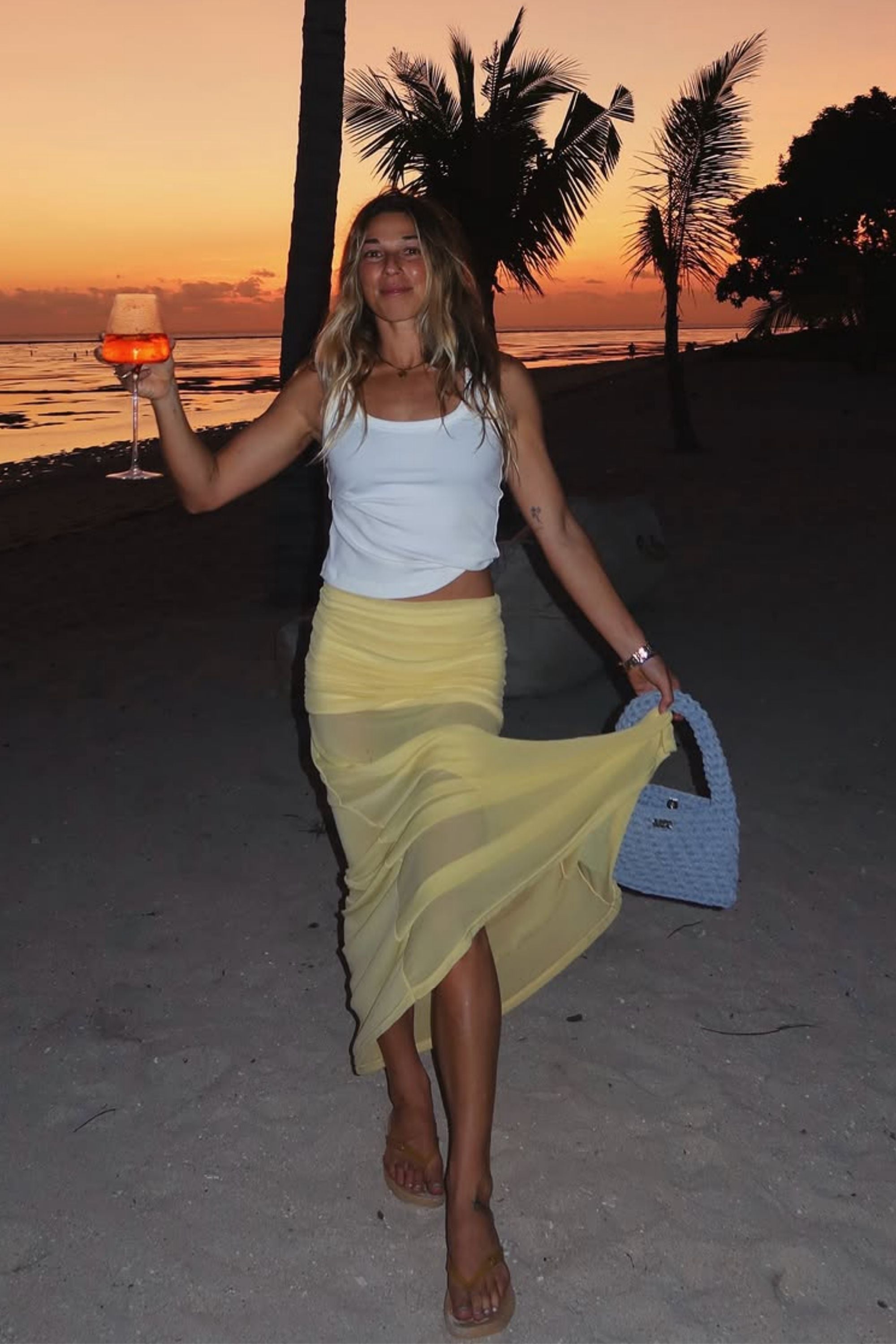
We want to see them on trains.
On scooters.
At the market.
At dinner.
On a beach.
In the middle of an ordinary Tuesday.
Because a beautiful bag shouldn't need a special occasion.
Beautiful things are meant to be used.

So, is slow fashion worth it?
There is no single answer.
Slow fashion won't solve every problem in the fashion industry.
And buying a handmade bag doesn't make someone a more conscious person.
But changing the questions we ask can change the way we shop.
Instead of:
What's new?
We can ask:
What feels right?
Instead of:
What's trending?
We can ask:
What feels like me?
Instead of:
How quickly can I get it?
We can sometimes ask:
Is it worth waiting for?
And instead of:
How much can I own?
We can ask:
What do I actually want to live with?
Perhaps that is what slow fashion really offers.
Not a stricter way to dress.
A more thoughtful way to choose.

Frequently Asked Questions
What is slow fashion in simple terms?
Slow fashion is a more considered approach to making and consuming fashion. It places greater emphasis on quality, craftsmanship, longevity, materials, smaller production and intentional purchasing rather than constant trend cycles and high-volume consumption.
What is the difference between slow fashion and fast fashion?
Fast fashion generally prioritises speed, volume, low costs and frequent trends. Slow fashion places greater emphasis on thoughtful design, craftsmanship, longevity, considered materials and more intentional consumption.
Is slow fashion the same as sustainable fashion?
Not exactly. Slow fashion and sustainable fashion overlap, but they are not identical. Slow fashion focuses strongly on slowing down production and consumption, while sustainable fashion can encompass a broader range of environmental and social considerations.
Is handmade fashion slow fashion?
Not automatically, but handmade fashion often shares principles with slow fashion because it requires more direct human involvement and generally takes longer to produce. The actual materials, production methods and longevity still need to be considered.
Are slow fashion brands more expensive?
They can be. Smaller production quantities, skilled labour, higher-quality materials and longer production times can increase costs. However, price alone does not determine whether a brand follows slow fashion principles.
How can I start buying slow fashion?
Start by slowing down your purchasing decisions. Buy pieces you genuinely love, investigate materials and production, support independent or small-batch brands when possible, consider second-hand options and prioritise pieces you expect to use for a long time.
Can slow fashion still be fashionable?
Absolutely. Slow fashion is not an aesthetic. It can be colourful, experimental, contemporary and expressive. The focus is on how fashion is made and consumed rather than on a particular visual style.

A slower way of choosing
Fashion doesn't need to disappear.
We don't need to stop enjoying beautiful things.
We don't need to make every purchase perfect.
Maybe we simply need to become a little more curious about the things we bring into our lives.
Who made them?
What are they made from?
Why were they made?
How often will we use them?
And will we still want them when the algorithm has moved on?
Because perhaps slow fashion isn't really about slowing fashion down.
Perhaps it's about giving ourselves enough time to decide what is worth choosing.

Wear what stays with you.
Explore ARDE's handmade bags and accessories, created in small batches and made to become part of everyday life.